


Have questions about managing weeds in your garden? Here are the answers
Published at | Updated at
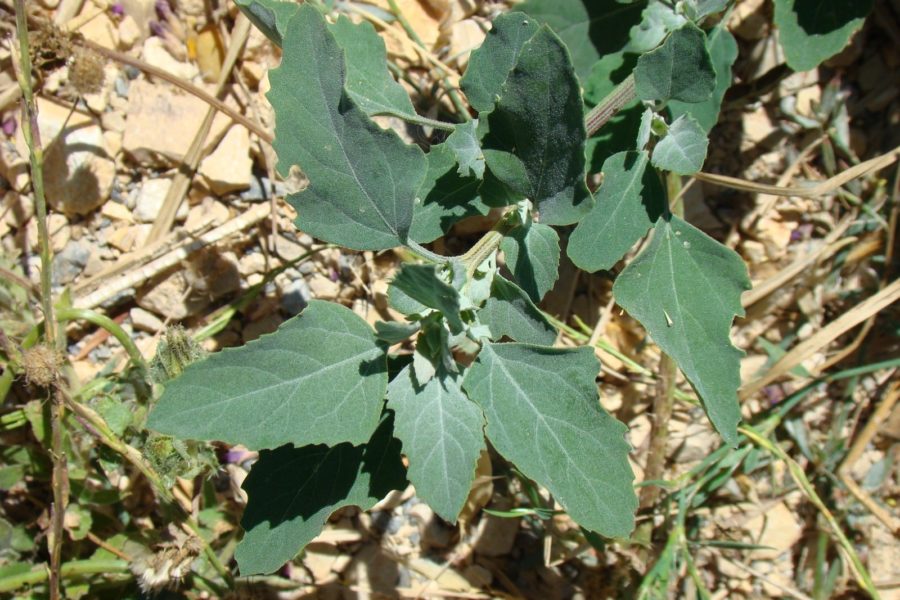
“A weed is any plant that interferes with the management objectives for a given area of land at a given point in time.” – J. M. Torell
The problem with unwanted plants is that they compete for limited nutrients, water, sunlight, and space. In addition, weeds can weaken desirable plants making them more susceptible to insects and diseases. Weeds can cause premature failures in sidewalks and driveways, can contribute to health problems like hay fever, respiratory problems, and skin irritations. Weeds can decrease property values and can become a fire hazard.
Weeds come in all shapes and sizes, can be harmless, invasive, noxious, obnoxious, and even poisonous. Identification of weeds is the first step in controlling weeds. When identifying plants first group them into categories like terrestrial (land) and aquatic, or woody and herbaceous. You can also group them by their life cycle. On this basis, weeds can be grouped as annuals, biennials, and perennials.
Annual Plants
Annual plants complete their life cycle in one growing season. Annual plants usually have smaller roots and are a major concern in agricultural fields and gardens. Many successful weed species produce thousands of seeds per plant. Those seeds can live in the soil for years before they germinate. Anytime soil is tilled or disturbed those seeds are ready to germinate and perpetuate their species.
Examples of common annual weeds in gardens include redroot pigweed, common lambsquarters, hairy nightshade, common purslane, prostrate spurge, prostrate knotweed, green and yellow foxtail, barnyardgrass, crabgrass, Shepard’s purse, flixweed, downy brome, annual bluegrass.
Biennial Plants
Biennial plants complete their life cycle in two growing seasons. They germinate and produce a rosette in the first growing season. During the second growing season they bolt, producing a flowering stalk, and set seeds. Not as prevalent as annuals, biennials should be a concern to gardeners too. Their well-established root can be more difficult to extract from the soil, and any part of the root left in the soil can produce a new plant.
Examples of common biennial weeds in gardens include sweet clover, common burdock, common mullein, bull thistle and Queen Anne’s lace.
Perennial Plants
Perennial plants live for 3 years or more and produce from seeds and vegetatively. They may or may not flower in the first year. Perennial plants may be herbaceous or woody. Perennial plants are much more varied in how they reproduce. Simple perennials have either a large tap root or a fibrous root system. They reproduce mainly by seed, but if the roots are broken into pieces, each piece may produce a new plant.
Examples of simple perennials include dandelions, broadleaf purslane and curly dock. Creeping perennials reproduce by rhizomes or creeping roots and seed. Examples of creeping perennials include Canada thistle, quackgrass and field bindweed. Bulbous perennials reproduce by bulbs or other nutlike structures and by seeds. Examples of bulbous perennials include purple nutsedge and bulbous bluegrass.
Integrated Weed Management
Managing weeds in a garden or in lawns can be accomplished through Integrated weed management. Integrated weed management is an approach that offers a variety of approaches to controlling weeds including prevention, cultural control, mechanical control, physical control, biological control and chemical control. Focusing only on one method of control is generally not sufficient to control all the weeds found in gardens and lawns.
Prevention is the most effective method and least costly to control weeds. Avoiding the introduction of weed problems through careful examination of materials that will be introduced into the home garden or landscape is essential. Read labels on packaged seeds, avoid buying seed containing weed seed. If noxious weed seed is present, return the seed to the supplier and ask for your money back. Pay special attention to wildflower seed mixes, they may contain noxious seeds in the mix.
Buy plants from a reliable nursery that sells only weed-free plants. Manure, mulch, compost, and soil should also be weed-free. Unless they have been sterilized, they probably contain weed seed. Tillage equipment can also spread unwanted weeds to relatively clean areas. Make sure to remove soil and plant parts before transporting tillage equipment.
Cultural control methods are also effective and cost effective. These practices include selecting plants adapted well to your environment, which are more competitive, and will crowd out weeds. Fast-growing plants are more competitive than slow growing plants.
Anything that helps desirable plants to grow fast will help control weeds. This might include banding fertilizer rather than broadcasting fertilizer, using precision watering systems like drip irrigation that places moisture at the plant level rather than using a sprinkler that will wet the entire area. Rotating crops throughout the garden helps place more competitive crops in troubled areas and increases the soil’s health.
Mulches are extremely effective in controlling weeds. Mulches can be natural or artificial. They help block out sun for weeds while allowing desired plants to get the sunlight, nutrients, and space they need to grow effectively.
Mechanical control includes hoeing, pulling, rototilling, mowing, cultivating, and burning. More expensive than other control methods, mechanical control is most effective when controlling annual plants early in their life cycle.

Biological control is the use of a living organism that will feed on undesirable weeds. Biological control is not a practical solution in most cases. Biological control will never completely eradicate a weed species but may help reduce the impact of the weed. Biological controls include releasing insects that feed on specific plants, grazing with livestock, and the use of fungi, nematodes, or diseases that inoculate the undesirable plant.
Chemical control is the application of herbicides. This method can save labor while providing acceptable control. When used correctly, chemical control can be inexpensive, but has some drawbacks. Herbicides can injure or kill desirable plants and are expensive when used incorrectly. If you decide to use herbicides, read and follow the label on the herbicide. This is a legal document that will give instructions on how to apply the herbicide safely and effectively. Close inspection of the label will reveal if the weed species is listed for control with the specific herbicide.
No herbicide is effective at controlling all weeds. Some weeds have developed resistance to specific herbicides and care should be taken to rotate herbicides, mix herbicides when appropriate, and use other control methods to avoid problems with resistance.

In the Garden is sponsored by ProPeat, which is dedicated to delivering solutions for any of your professional fertilization needs. Whether you need to reduce the harm to soils and the environment, or you're interested in the latest nitrogen, carbon and biochemical technologies, ProPeat is the perfect fit.