



Short on space? Try a vertical garden
Published at | Updated at
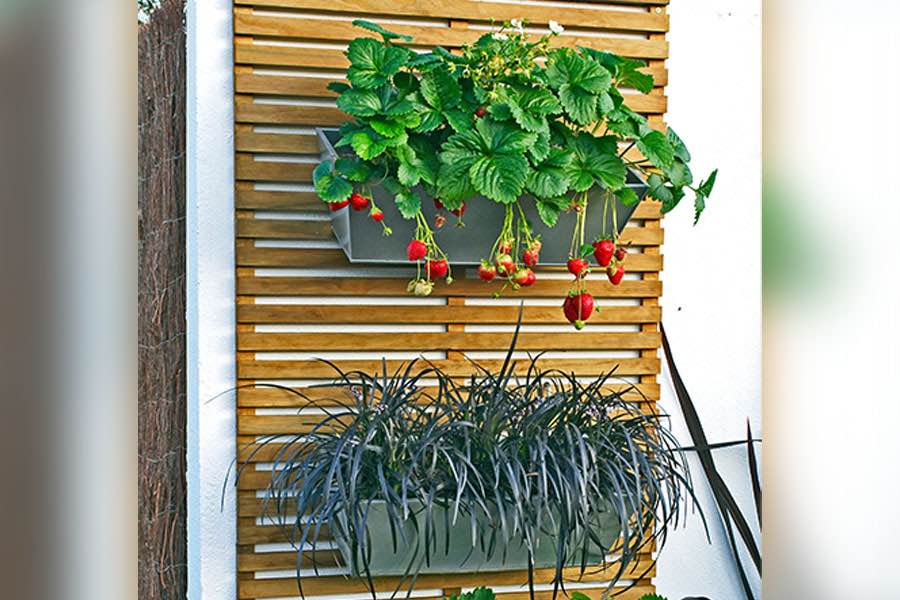
One of the limiting factors for many gardeners is space. Their garden is not big enough to effectively grow everything they want to. Vertical gardening is a great way to create more space in a limited area.
Space savings, plant health and fresh vegetables year-round lead the list for why vertical gardening is trending up recently.
Growing vertical is inexpensive, with the major costs coming from irrigation and structural support. Plants naturally grow up towards the light, making vertical gardens simple to create.
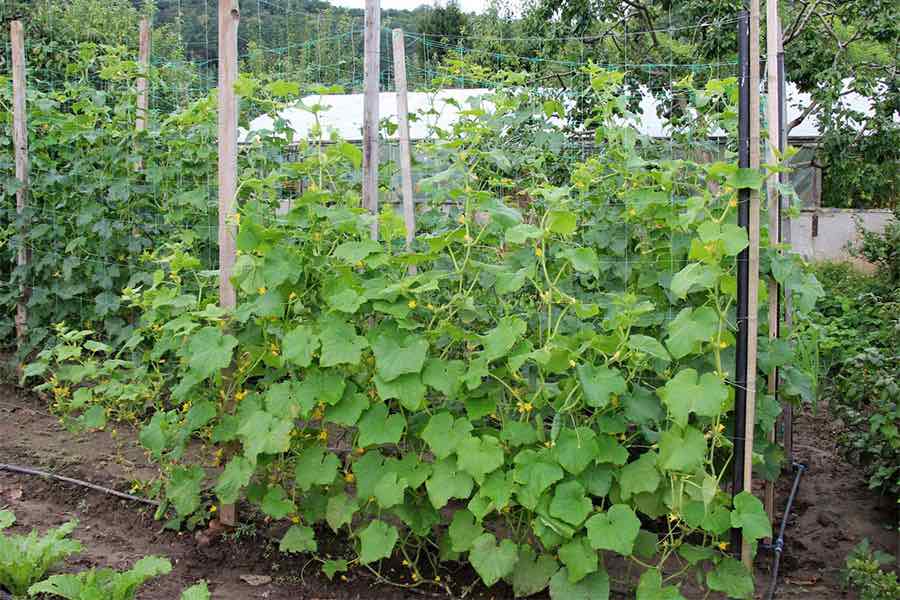
Vertical gardens can be free standing, trellised on fences or walls, or even on a balcony of an apartment building. The structure you use to create a vertical garden is less important as the plants bring their own beauty to the structure.
An unattractive fence can be used to support pole beans or peas. A wall can be fitted with wood slatted trellis or wire mesh for supporting plant climbing plants. A garden arch or arbor can support cucumbers or gourds.
In my garden, I use a string trellis to get my tomatoes up off the ground. The main idea is to provide a structure that is strong enough to hold the plant up off the ground when they are mature.
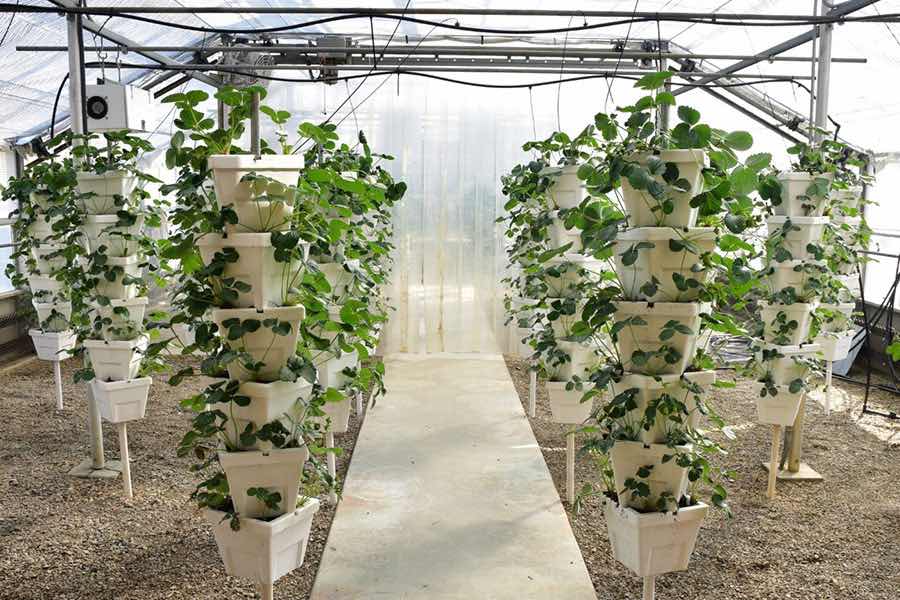
Mature melons and tomatoes can be quite heavy, so the structure needs to be stronger. Beans and peas are light, so they will not need as much support.
In addition to space savings, getting plants up off the ground can reduce disease problems by increasing air circulation around the plants. Because there is less bending over, inspecting for insects becomes much easier as well. Upright plants can create a windbreak for smaller plants.
Irrigation can be another expense in growing vertically. There are various products in the market designed to grow food vertically. Plants need water where the roots are, so even if a plant is growing vertically, the water just needs to be directed at the roots.
I suggest drip irrigation in most instances when gardening as it reduces water usage, decreases weed problems and keeps water off the leaves so fungi cannot grow.