



What to do about wasps eating your fall fruit
Published at
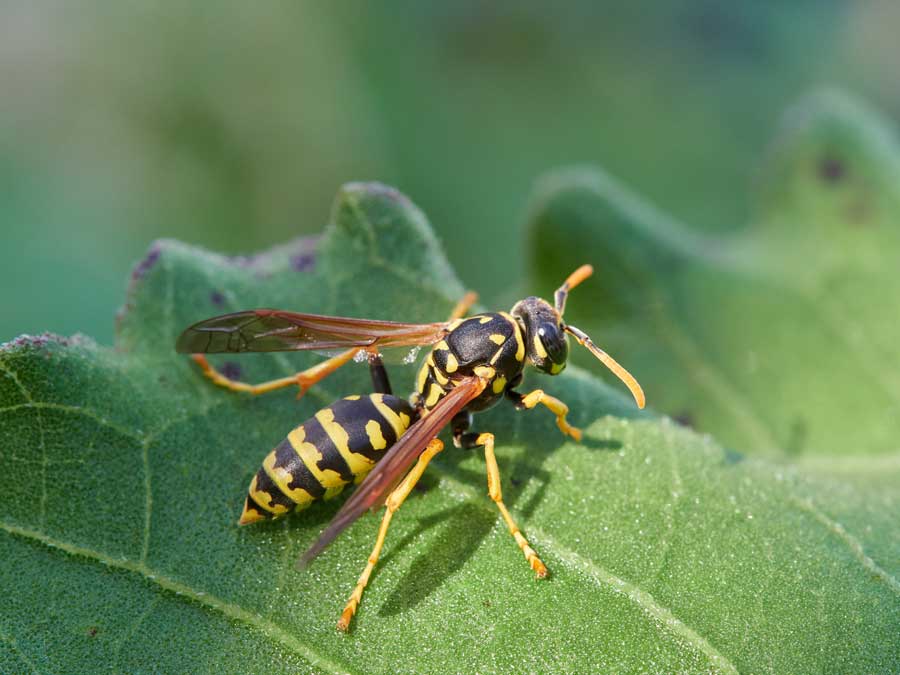
We’ve been inundated with wasps this year. This may be a source of aggravation if they find your ripening fruit and berries a desirable food source. There are three main culprits to watch for.
European paper wasp
The European paper wasp (Polistes dominula) is relatively non-aggressive. We frequently se attaching its nests to the underside of decks, eaves and other similar sites. The paper combs of European paper wasp lack a surrounding envelope. Probably our most common wasp.
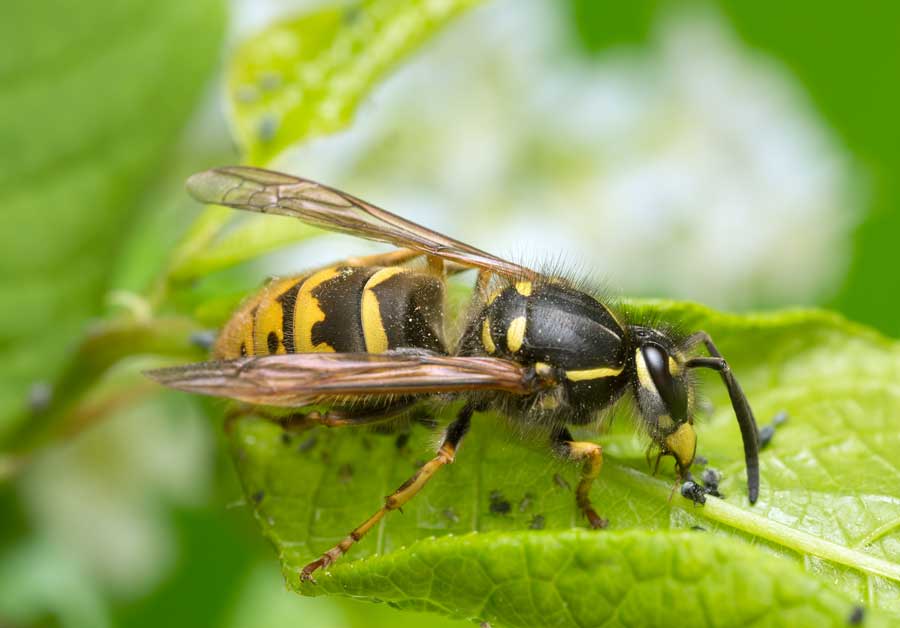
Yellow jacket
Yellow jackets (Vespula spp.) look similar but are typically smaller than paper wasps.
Yellow jackets nest both above and below ground and their combs are surrounded by a paper envelope. These can be aggressive when their home or food source is threatened.
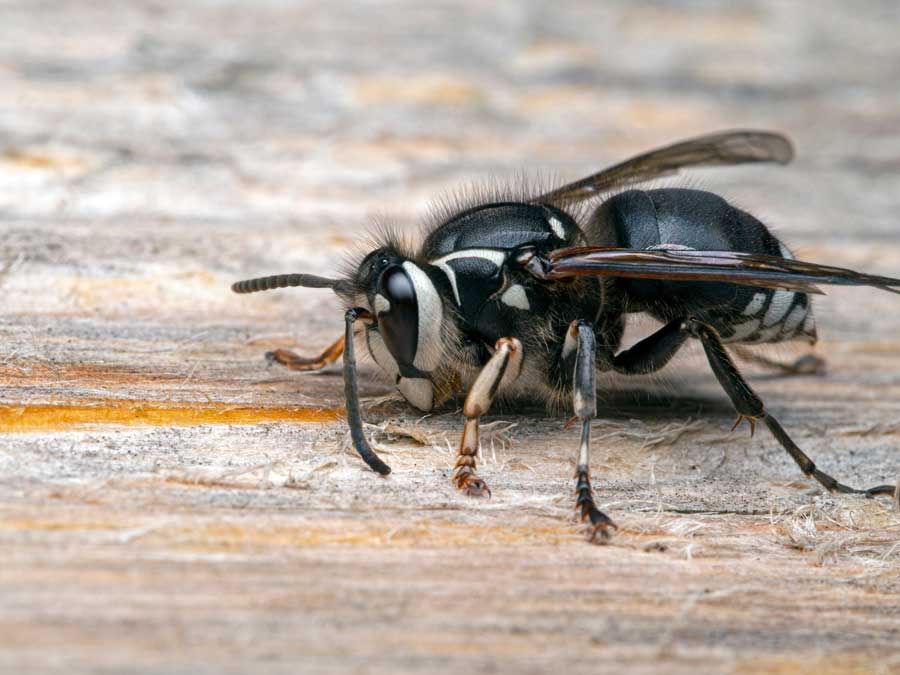
Baldfaced hornet
Baldfaced hornets (Dolichovespula maculata) are larger than yellow jackets or paper wasps and are mostly black.
Their nest is a ball-shaped envelope surrounding a paper comb. These also tend to be aggressive when threatened.
So, what do you do when they’re eating holes in your fruit just as its getting ripe? The best solution is a simple homemade trap.
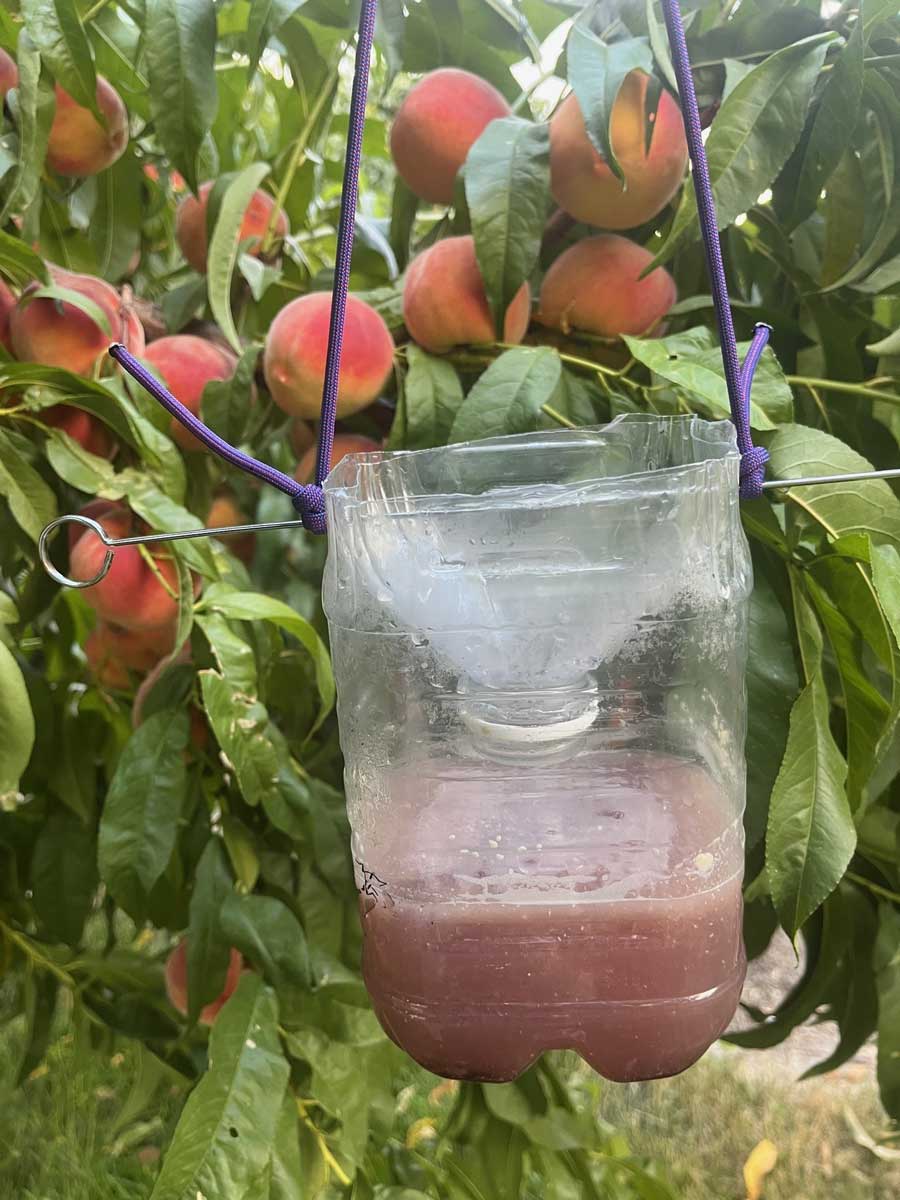
Steps to make a wasp trap
- 2-liter or similar clear plastic bottle.
- Cut the top third of the bottle off, just below where it starts to taper into the neck.
- Invert the Top
- Flip the top section upside down and place it inside the bottom section, forming a funnel.
- Secure the funnel so it won’t slip out. I like to insert a rod in holes made through both the funnel and the base. This makes removal and dumping easy.
- Bait
- 1 part fruit juice to 10 parts water, ¼ tsp yeast, 1-2 drops dish soap.
- The amount you need will depend on the volume of your bottle. Leave 1-2inches between the top of your bait and the funnel.
- Place the Trap
- Set or hang the trap near where you are seeing wasp activity. Typically, the site should be warm and sunny.
- Empty dead wasps and refresh the bait regularly (every 3–5 days for best
results).