


Camas National Wildlife Refuge get early ‘snows’
Published at | Updated at
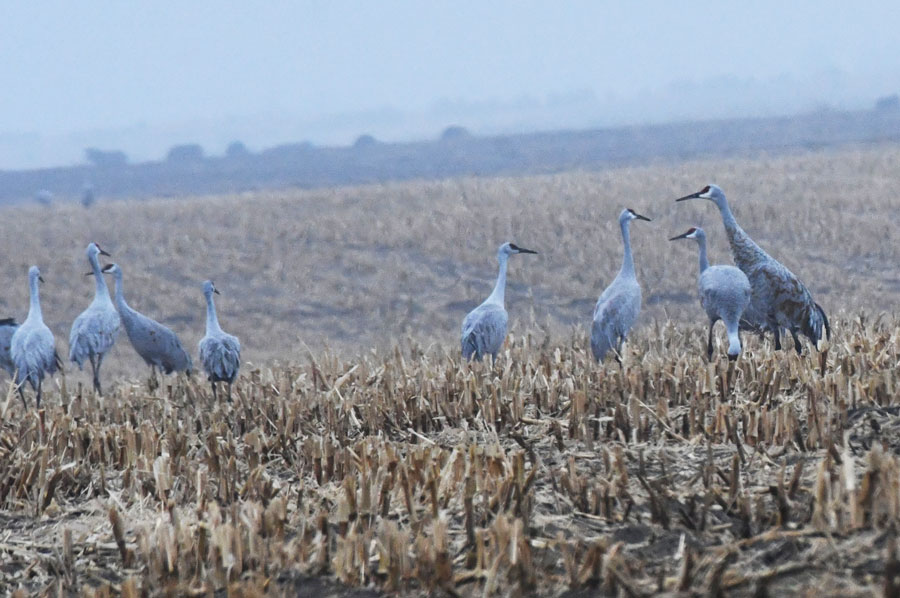
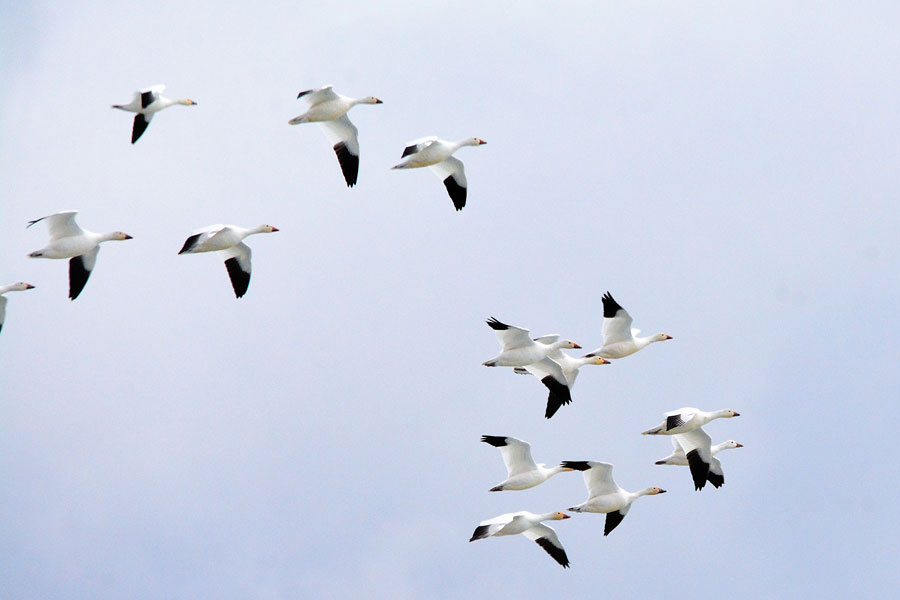
Wednesday evening as I was waiting for sandhill cranes and Canada geese to come into Sandhole Pond, I heard the unmistakable calls of some snow geese. I could barely see them as they circled high overhead but they finally dropped down to the only water hole. The 31 early birds landed behind a knoll out of my sight, but I could hear their calls mixed with some Canadian honkers.
This was the earliest migration of snows as they usually don’t start migrating through Eastern Idaho until mid-November when the snow forces them south from Canada. Snow geese don’t stay but a day or two during their fall migration and after most of the Sandhill cranes have migrated south to New Mexico. Wednesday evening there were still hundreds of cranes left.
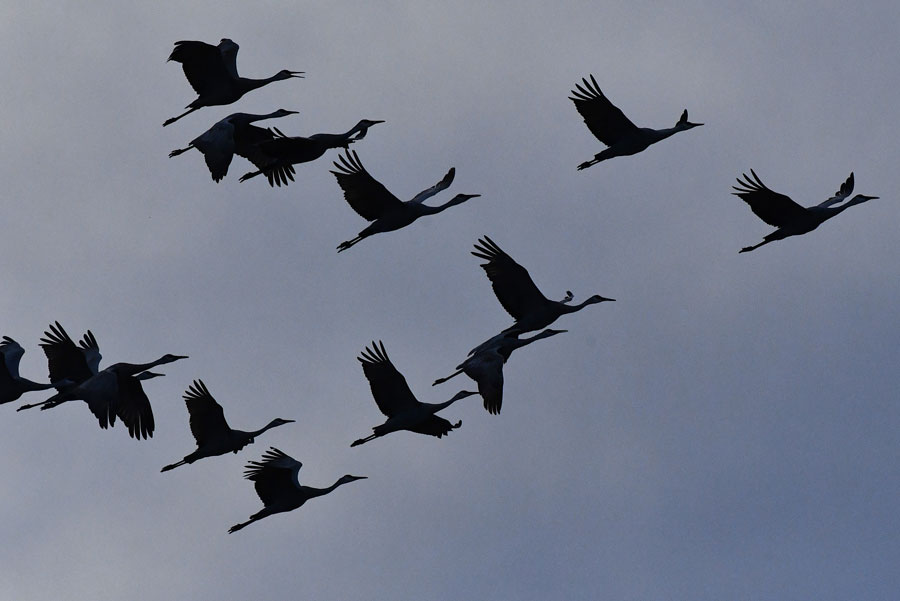
Friday morning, I decided to hike back to Sandhole to see if the snows were still there, but they were not there. The fog was as thick as pea soup, it was difficult to see the sandhill cranes as they flew out to the harvested corn fields to feed. When the fog began to lift, a large flock of cranes circled high in the sky and headed south. The last three days of rain and with a frosty bite in the breezy air, probably gave some incentive to the fair-weather cranes to start heading south.
By the time I got back to my truck, the fog had thinned enough for me to get pictures of the flocks of cranes still feeding in the fields. From time to time, a single crane or a small group of them would fly into the air, circle a few hundred feet high only to come back down and land with the large flock. I am sure, some wise old female cranes will lead flocks south, but usually all of the cranes won’t leave until mid-November. I still have not seen or heard any flocks of the tundra or trumpeter swans fly over heading south. We will see what the predicted cold weather and next storm will bring about.
I decided to drive to the refuge headquarters to see what was happening there. There was no one at the office, probably due to the government shutdown but the well drillers and the contractors were still busy. The well drillers hope to have their second well ready to use in the next week before cold weather hits. The contractor working on widening the Camas Creek is also chopping off the willows on one side of the dry creek bed. They are using three large track-hoes and well as six dump trucks and other machinery. After the shutdown is over, I will try to find out what all that work will benefit.
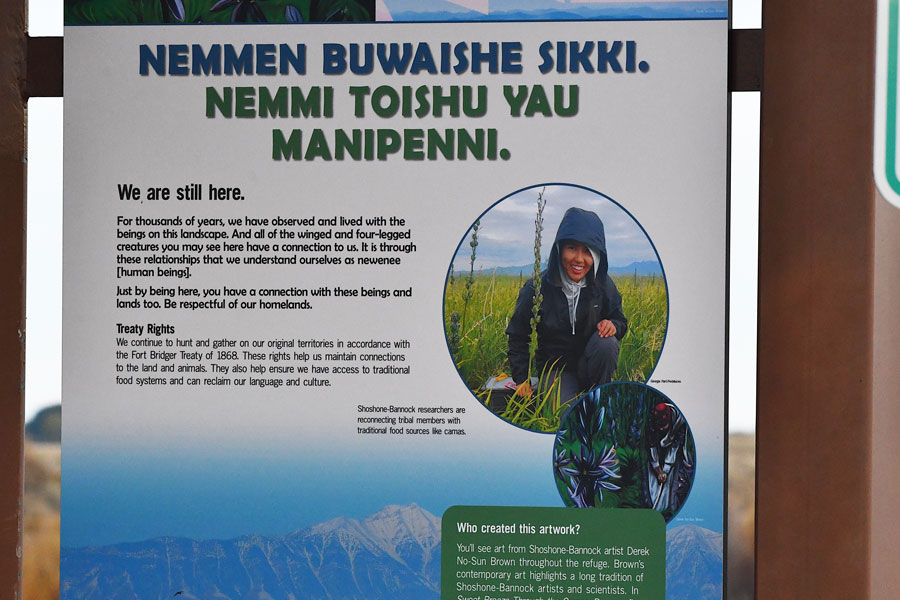
There is no water in any of the ponds near the headquarters, but there are new signs on the ponds, the observation tower is now finished with a kiosk nearby. Due to the lack of water there, only a few wildlife was there.
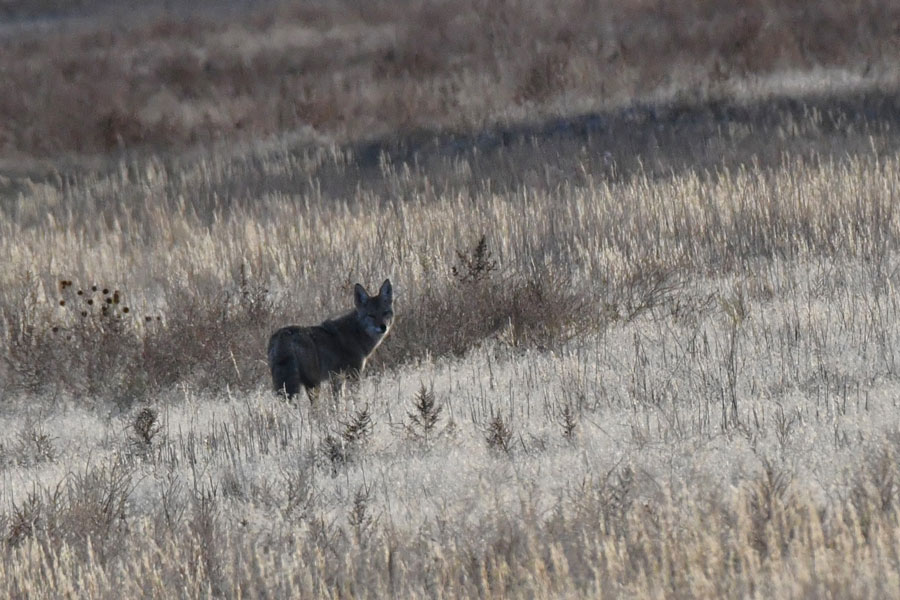
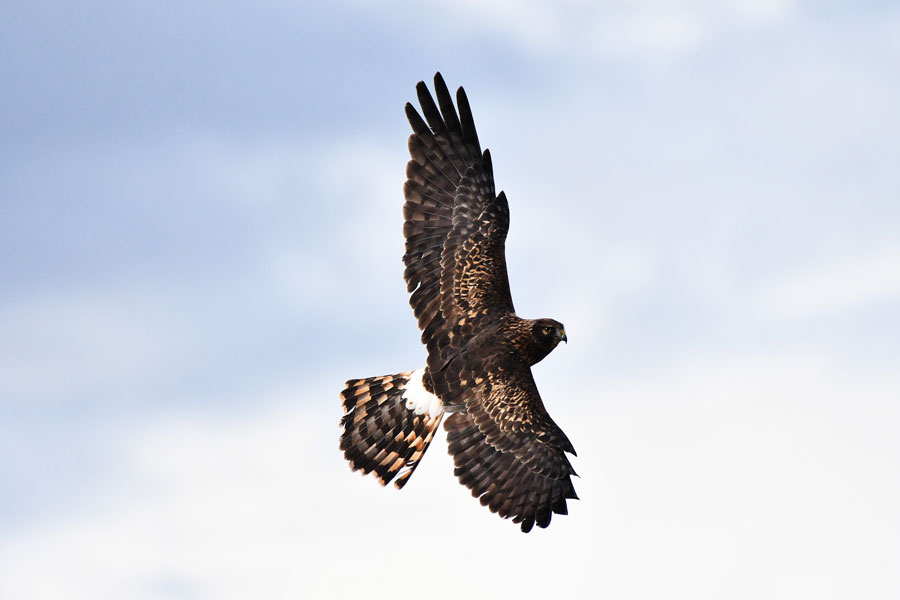
I saw a coyote hunting rodents, a pair of kestrel’s harassing starlings, a northern harrier trying to flush a covey of Grey partridge with magpies and Eurasian collared doves roosting in the trees. I hope with the new wells and the improved creek bed, we will have enough water next year to host a lot of birds and animals.
As one visitor said, “ Camas has been a desolate place for two years – thank goodness for the sandhill cranes!”

Living the Wildlife is brought to you by Yellowstone Teton Territory. Experience 7,500 square miles of untamed wilderness in Eastern Idaho's Yellowstone Teton Territory. Where majestic peaks meet endless adventure, your perfect outdoor escape is waiting. Start planning at YellowstoneTeton.com.