



Tips to stay healthy during cold season
Published at | Updated at
Have a medical-related question you've always wanted answered? The doctors at Mountain View Hospital and Idaho Falls Community Hospital are here to help! Email your "Ask the Doctor" questions to news@eastidahonews.com and they might end up in our weekly column.
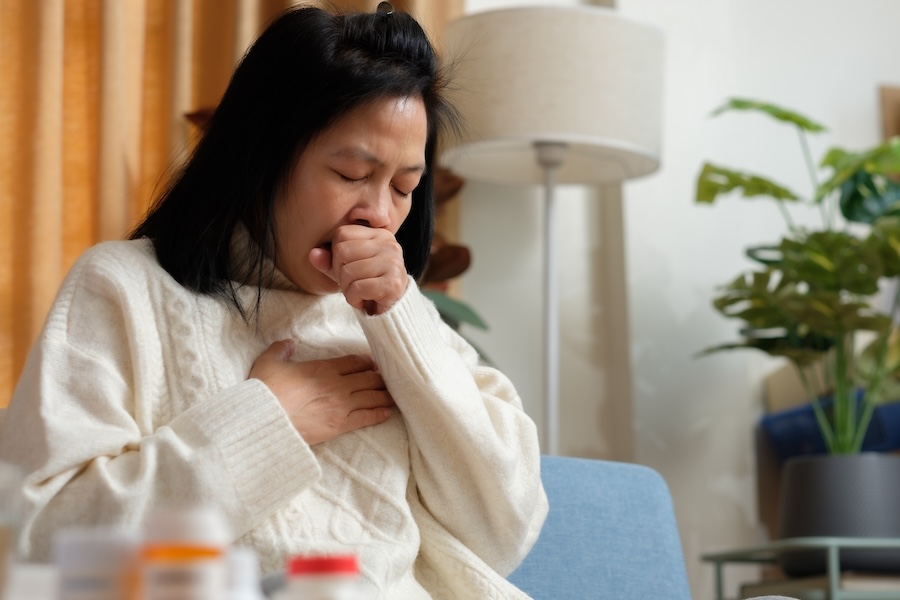
It is that time of year again when runny noses, coughs and fevers seem to be commonplace in our community. We know no one wants to get sick, so the tips below are designed to help you and your family stay healthy this cold and flu season.
Prioritize Sleep
Sleep can help your body ward off infections. We should all aim for a minimum of seven hours per night. When we don’t get the sleep we need, it can weaken our immune systems. In fact, studies show adults who regularly don’t get enough sleep are at an increased risk for health issues.
Stay Hydrated
Drinking enough water keeps your immune system in fighting shape. It helps get nutrients and oxygen to your immune cells, so they can fight infections. Water also helps remove toxins from the body. While water needs vary per person, most adults should aim to drink at least 8 glasses of water per day.
Move your Body
Regular exercise can reduce stress, which can boost your immune system. In fact, some studies have shown that combined with a balanced diet and plenty of sleep, 30 to 45 minutes of aerobic exercise four to five times a week can decrease your risk of getting a cold by 20 to 30 percent.
Maintain A Healthy Diet
What you eat has a significant impact on your health. When your diet consists of mainly vegetables, fruits, lean proteins like chicken and fish, whole grains and nuts you are giving your body the fuel it needs to function at its peak. When our diets include a lot of processed foods, saturated fats and sugar, we increase our chances of sick.
Clean
During cold season, make sure you are regularly disinfecting frequently touched surfaces at home, work and school. This includes doorknobs, faucets, light switches, TV remotes and countertops.
If you do get sick, you can help slow the spread of germs by:
- Coughing or sneezing into your elbow
- Frequently washing your hands with warm water for at least 20 seconds
- Doing your best not to touch your nose, eyes and mouth
- Staying home for at least 24 hours after your fever is gone
Most of the time, colds will clear up on their own. However, if you have been sick for a week or you really don’t feel well it is likely time to go see a doctor.
This column does not establish a provider/patient relationship and is for general informational purposes only. This column is not a substitute for consulting with a physician or other health care provider.

Ask the Doctor is brought to you by Mountain View Hospital and Idaho Falls Community Hospital. Mountain View Hospital is proud to offer the community compassionate surgical, labor and delivery, NICU, diagnostic and rehabilitative services. And when the seconds count, count on Idaho Falls Community Hospital for emergency care. With around-the-clock trauma services, state-of-the-art technology, and a highly-skilled team, Idaho Falls Community Hospital is always ready to provide patients with the best possible treatment.