



DOE Secretary visits INL as Trump administration hones in on nuclear energy
Published at
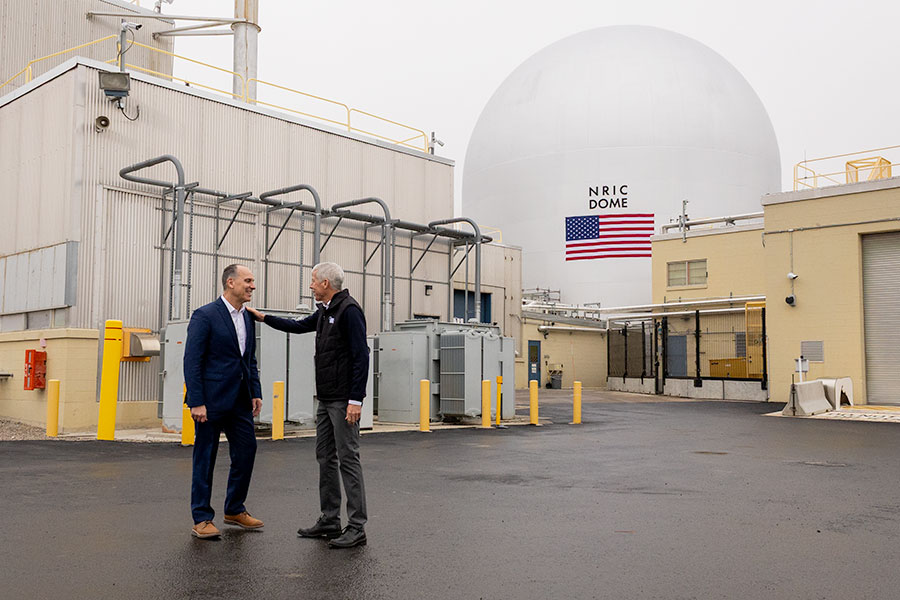
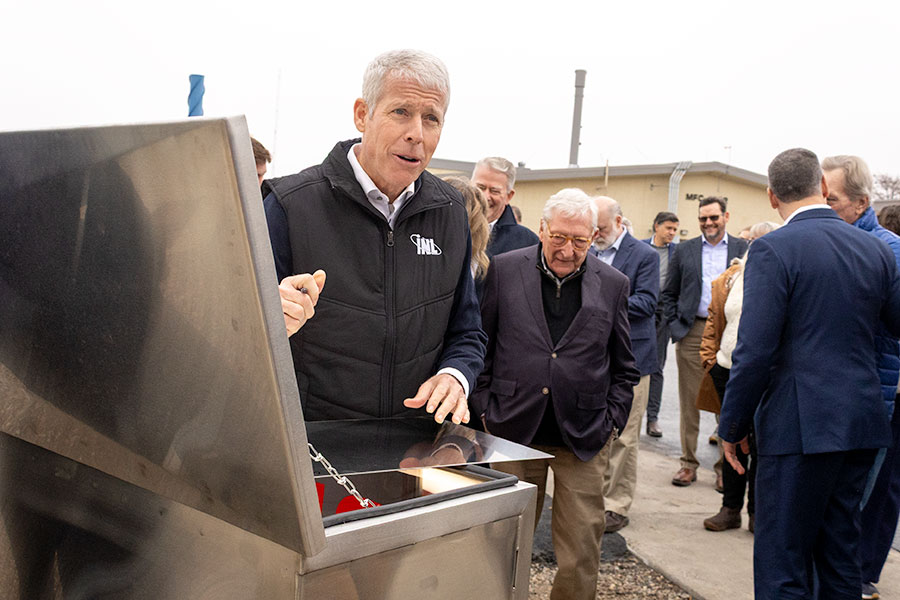
ARCO — On Monday, U.S. Department of Energy Secretary Chris Wright toured the Idaho National Laboratory and its facilities as the lab aims to usher in the new nuclear renaissance.
The tour was the culmination of Wright’s tour, during which he visited all 17 national laboratories. But for the INL, it was a special visit.
Wright said that Idaho has historically been the center of nuclear development, and most reactors are based on designs developed at the site decades ago.
“This is ground zero for the nuclear renaissance that the Trump administration is passionate about making happen. It’s been talked about for 20 years, but it’s actually happening now,” Wright said.
Months prior, INL, in partnership with Oklo, a private company building a nuclear facility, held the groundbreaking for the Aurora plant, the first new nuclear reactor to be built at the site in decades.
RELATED | ‘Tomorrow’s energy future’: Oklo and INL break ground on Aurora powerhouse reactor site
Before the Aurora plant’s groundbreaking, it was earmarked by an executive order from President Donald Trump in May that began to fast-track the development of new reactors in the private market.
Mike Goff, principal deputy assistant secretary for the Department of Energy’s Office of Nuclear Energy, told EastIdahoNews.com in September that the goal of the executive order was to help reinvigorate the nuclear industry in the U.S.
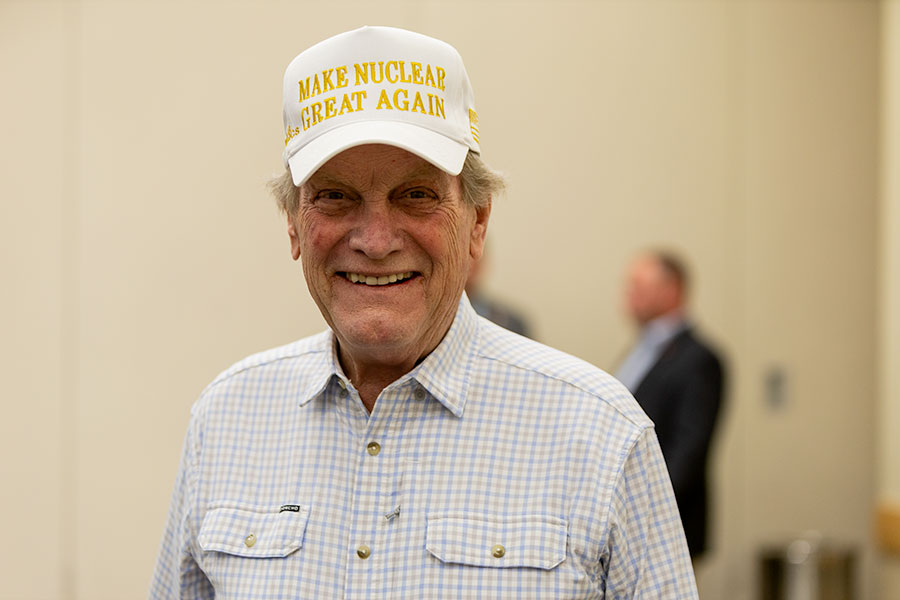
A focus of the Wrights’ trip to the INL is the changing emotions toward nuclear energy and the Trump administration’s interest in ensuring U.S. nuclear supremacy.
Since the start of the Trump administration, there have been four executive orders focused on reforming and enabling the development of nuclear energy.
“One of those commitments, one of those promises, was that we would get multiple reactors critical by July 4 of next year,” Wright said.
Since the creation of the Nuclear Regulatory Commission more than 50 years ago, Wright said America has only brought two reactors online.
Wright said bureaucracy has slowed the development of the new reactor. As a result, the process and the financial cost of creating new reactors have increased, as well as the development of a fuel source.
To aid in the creation of more nuclear reactors, fuel, and transportation, Wright said the DOE is using targeted grants to incentivize private companies to start this development.
Part of the funding for these grants comes from funds diverted from energy subsidies, such as wind and solar, to help kickstart the nuclear renaissance. Wright said there will also be tax incentives lasting eight years for those developing nuclear and geothermal technologies.
One of the main stops during the INL tour was stepping inside the Demonstrations of Microreactor Experiments (DOME), which used to be a containment dome for Experimental Breeder Reactor-II. It will be retrofitted to help test new microreactors.
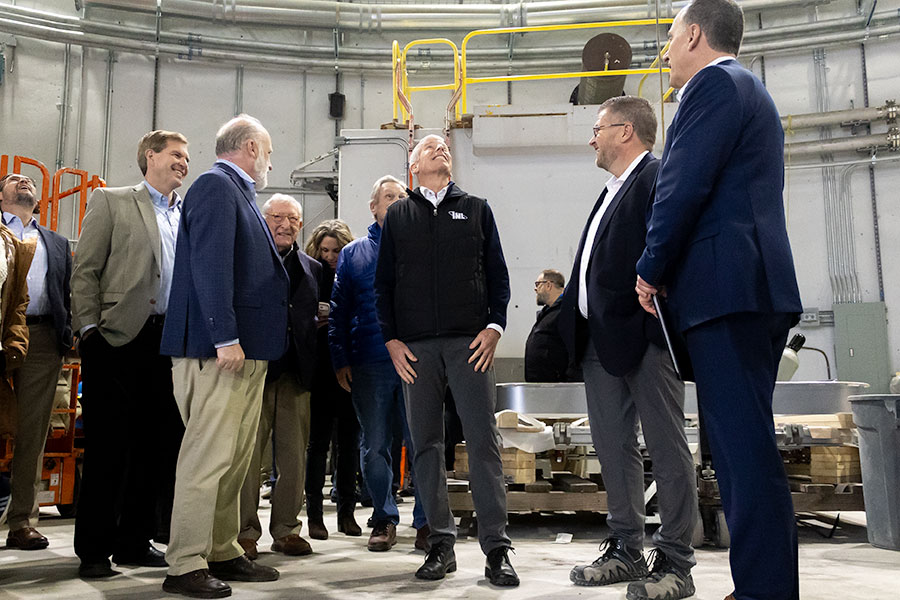
INL Director John Wagner told EastIdahoNews.com that Radian Nuclear will be the first company to test its microreactor inside the Dome. The test will allow the reactor to go critical in a safe and controlled environment.
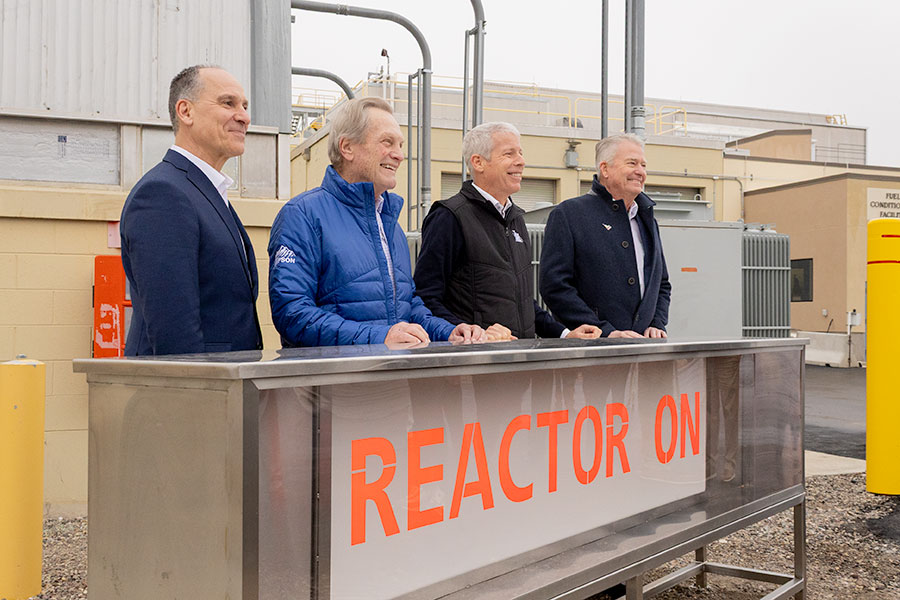
He said Radiant’s microreactor will be moved into the Dome by next April, and plans are to have it go critical by July 4 to meet the administration’s deadline.
“We’re working with several other reactor companies to put their reactors in other facilities, and work with them even to construct their own places for their reactor demonstrations,” Wagner said.
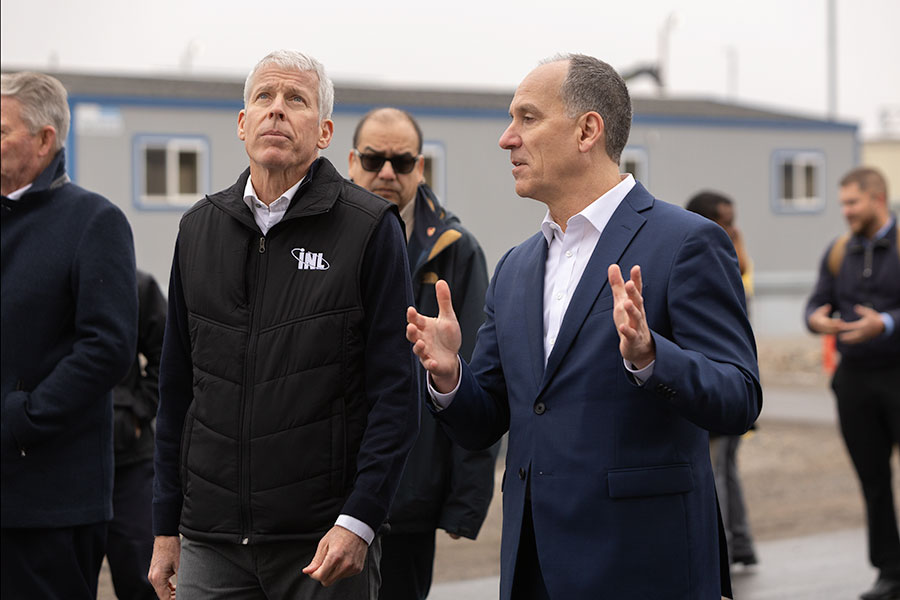
Wright said the Trump administration is also looking at ways to bolster the nation’s electricity capacity that go beyond burning wood, oil, coal or gas.
The INL is developing high-assay low-enriched uranium (HALEU), where spent fuel from EBR-II is being reprocessed into this fuel source.
“It’s going to bridge the gap for these next generation fuels as a producer of those fuels for the next several years,” Wright said. “Private industry (will) ultimately supply those reactors.”