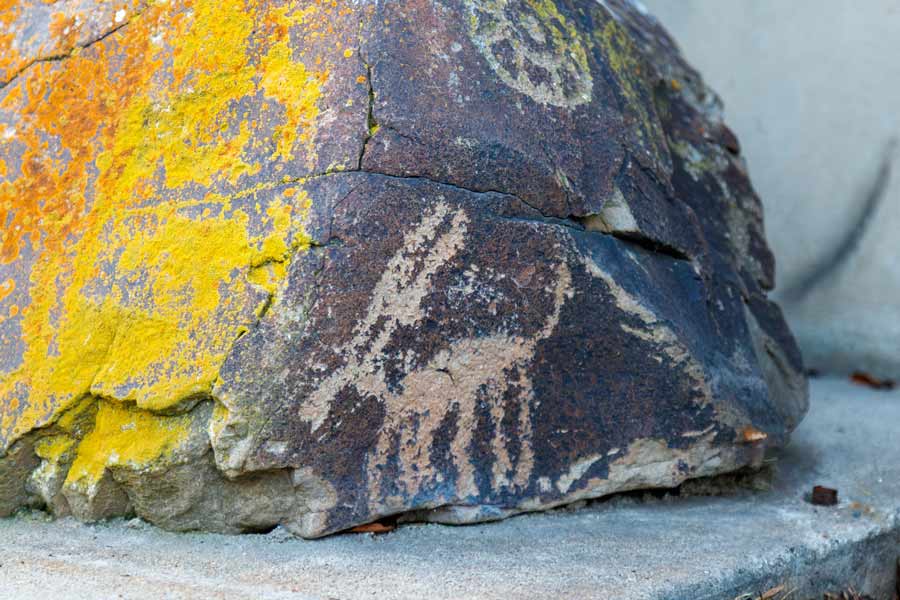
Petroglyphs restored after spending decades at Church of Jesus Christ of Latter-day Saints meetinghouse
Published at | Updated at
Abigail Jones, ABC4
TREMONTON, Utah (ABC4) — A sacred rock with petroglyphs important to the Northwestern Band (NWB) of the Shoshone Nation has been restored and returned to its original location after it spent decades at a Church of Jesus Christ of Latter-day Saints meetinghouse.
The petroglyphs are around 1,200 years old, and they were created by the Fremont people, who were ancestors of the NWB of the Shoshone Nation. The effort to restore the petroglyphs and return them took over a decade, and it involved the NWB of the Shoshone Nation, the state of Utah, and conservators working with the Church of Jesus Christ of Latter-day Saints.
According to the Church of Jesus Christ of Latter-day Saints, the rock was removed from its original location in the northern Utah mountains about 80 years ago, and it spent the majority of that time outside of the Tremonton meetinghouse.
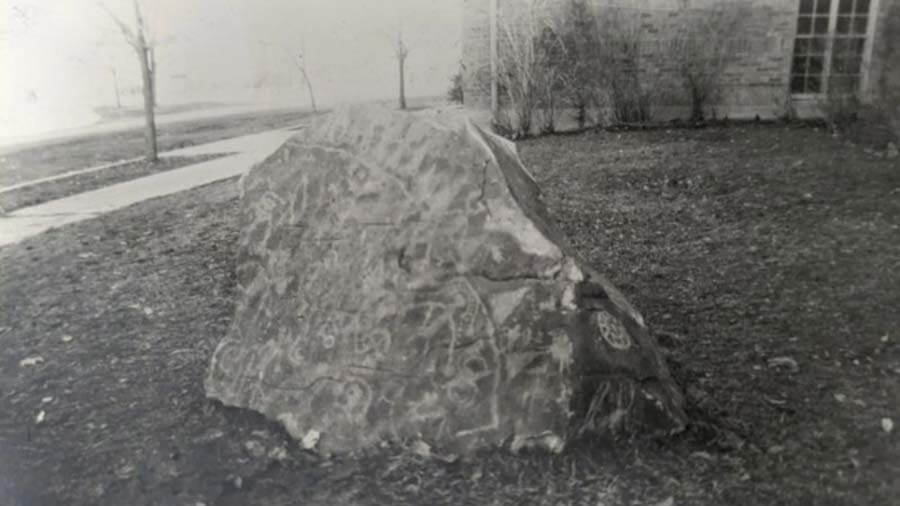
Ryan Saltzgiver, history sites curator for the Church History Department, said that it’s unknown exactly why the 2,500-pound rock was brought to the church, but in 2011, it was discovered by amateur archeologists.
Saltzgiver said that they’ve spent the time since that discovery working with the NWB of the Shoshone Nation and the Utah State Historic Preservation Office to bring everyone together and create a plan for preservation and repatriation.
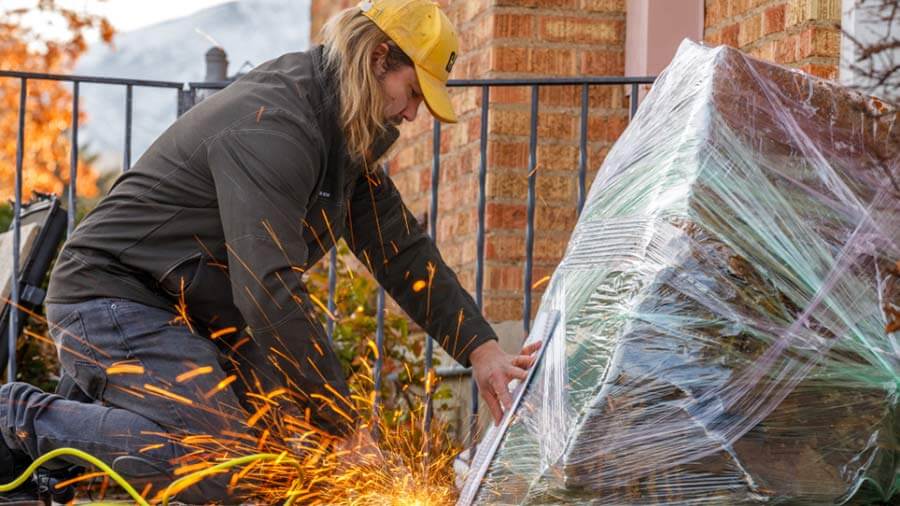
Brad Parry, vice chair of the NWB of the Shoshone Nation, said, “Putting it back for us is putting a puzzle piece back into place. Our history is so fractured with a lot of things that happened to us. To have these positive things now that are coming out — it’s rebuilding our history. And I can’t overstate that.”
“We do have a moral and ethical obligation to care for things like this that are in our possession — and in particular to return those things that are, in this case, very sacred objects to those rightful owners,” Saltzgiver said.
The restoration process was very involved, as conservators chosen by Church historians cleaned years of lichen growth from the rock. They had to clean it without damaging the surface or the petroglyphs, and conservators wound up using soap and water, nontoxic biocide, and steam.
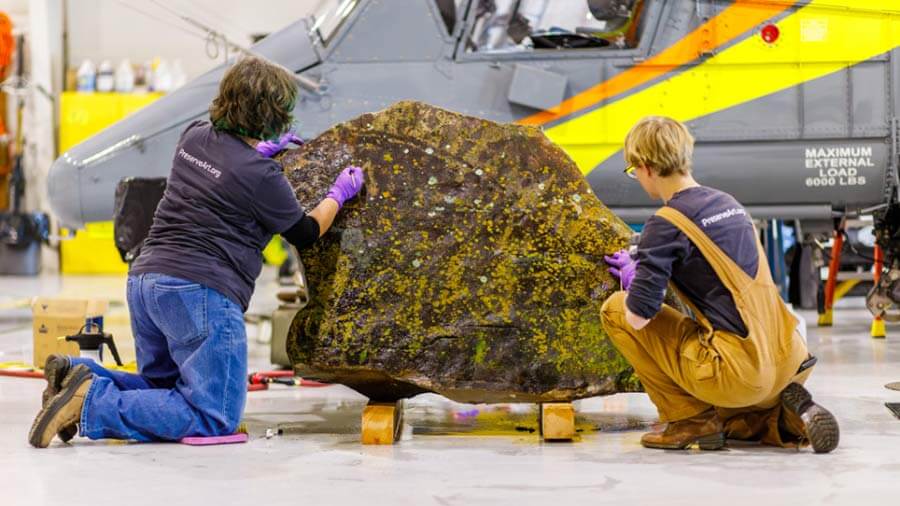
Megan Randall, an objects conservator with the Midwest Art Conservation Center, said, “Even if it’s not the cleanest, in a couple months or a year, it will continue to sort of clean itself with the application of the biocide. There’s not that many people out there who do this, which makes our work very interesting and varied.”
Randall also highlighted the spiritual importance of the petroglyphs to the tribe.
“We want to make those visible and appreciable by the people who find value in this, which is also us,” she said.
The rock was returned to its original location near the Utah-Idaho border, joining its companion petroglyphs. A ceremony was held, including a blessing from a Shoshone tribal spiritual leader.
“This rock was meant to be here. It’s like this rock knows it’s home,” Parry said.