



US seizes Iranian-flagged ship near Strait of Hormuz and Tehran vows to respond
Published at | Updated at
Michelle L. Price, Samy Magdy and Sam Metz, Associated Press
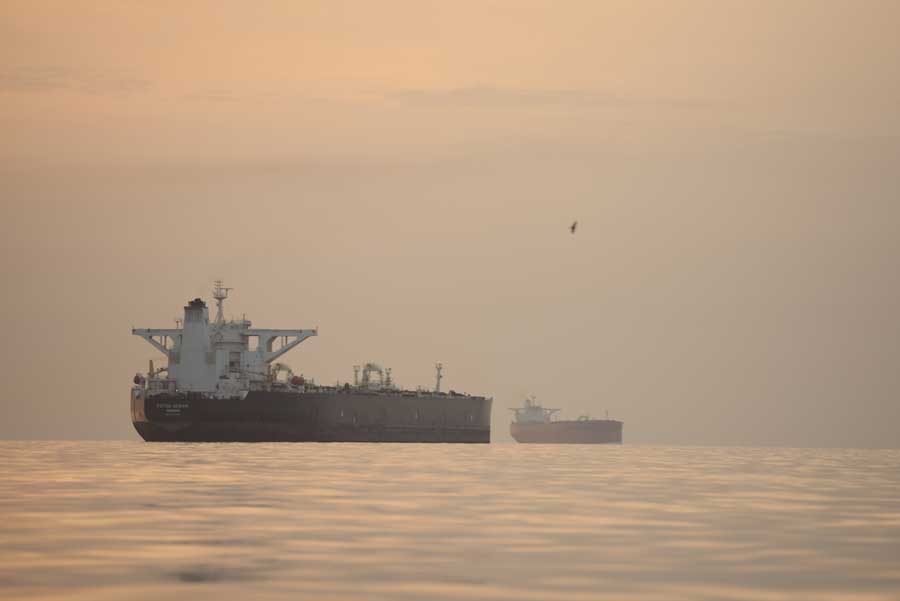
WASHINGTON (AP) — The United States said it attacked and seized an Iranian-flagged cargo ship that tried to get around a naval blockade near the Strait of Hormuz on Sunday, the first interception since its blockade of Iranian ports began last week.
Iran will respond soon, its state broadcaster said later, calling the armed boarding an act of piracy.
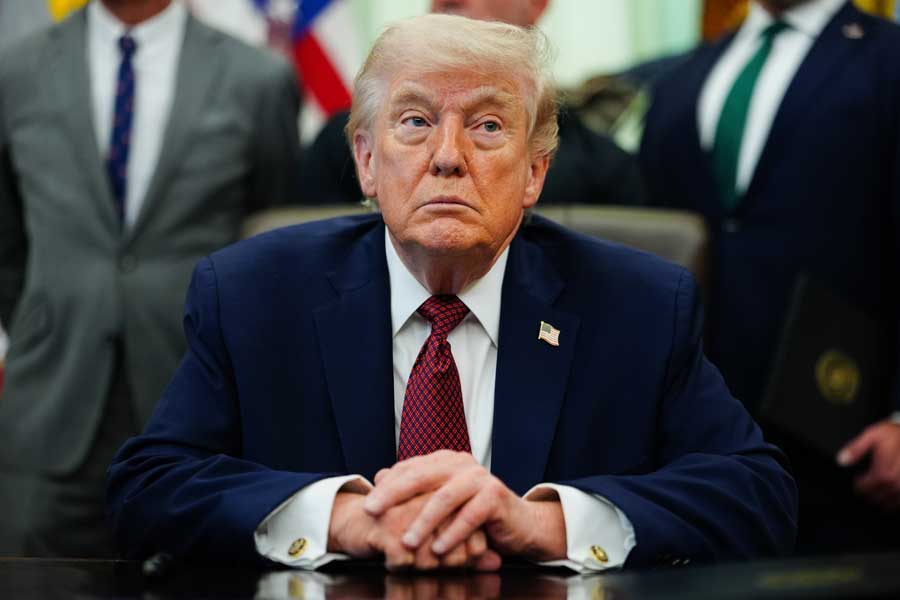
The events threw into question both the fragile ceasefire and President Donald Trump’s earlier announcement that U.S. negotiators would head to Pakistan on Monday for another round of talks with Iran. The ceasefire is set to expire by Wednesday, and Washington and Tehran’s standoff over the strait has now sharpened.
Trump on social media said a U.S. Navy guided missile destroyer in the Gulf of Oman warned the ship, the Touska, to stop and then “stopped them right in their tracks by blowing a hole in the engineroom.” U.S. Marines had custody of the U.S.-sanctioned vessel and were “seeing what’s on board!”
It was not clear whether anyone was hurt. The U.S. Central Command, which didn’t answer questions, said the destroyer had issued “repeated warnings over a six-hour period.”
Iranian state media suggest the talks won’t take place
There was no comment from Iranian officials on Trump’s announcement of the talks. However, Iranian state media, without citing anyone beyond unnamed sources, issued brief reports suggesting that they would not happen.
Minutes after the ship seizure was announced, Iranian state media reported on President Masoud Pezeshkian’s phone conversation with Pakistani Prime Minister Shehbaz Sharif earlier Sunday. U.S. actions including bullying and unreasonable behavior have led to increased suspicion that the U.S. will repeat previous patterns and “betray diplomacy,” the reports cited Pezeshkian as saying.
Separately, Iran’s state broadcaster said Foreign Minister Abbas Araghchi told his Pakistani counterpart on a phone call that recent U.S. actions, rhetoric and contradictions were signs of “bad intentions and lack of seriousness in diplomacy.”
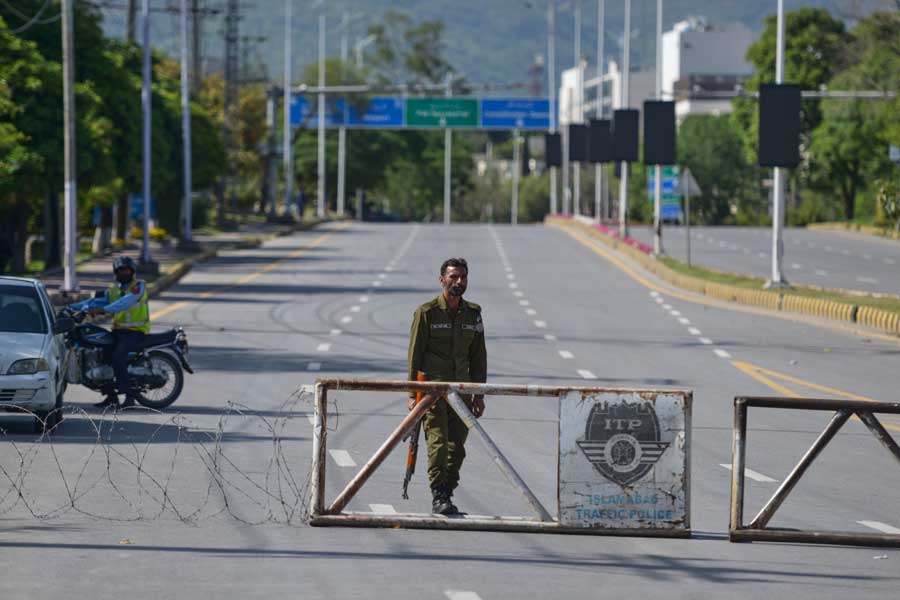
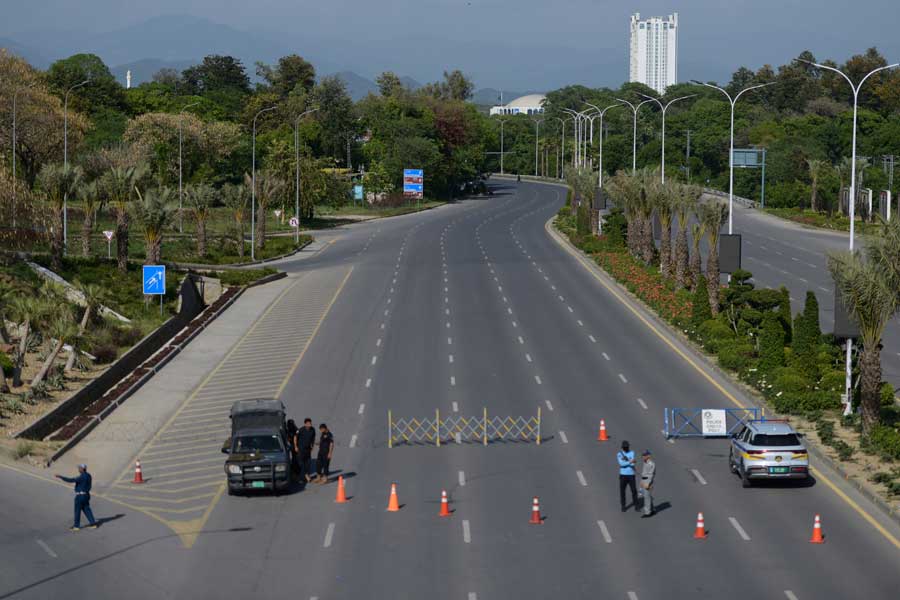
Pakistan did not confirm a second round of talks, but authorities began tightening security in Islamabad. A regional official involved in the efforts said mediators were finalizing preparations and U.S. advance security teams were on the ground. The official spoke on condition of anonymity because they weren’t authorized to discuss preparations with the media.
The White House said Vice President JD Vance, who led the first round of historic face-to-face talks over 21 hours last weekend, would lead the U.S. delegation to Pakistan with envoys Steve Witkoff and Jared Kushner.
Iran on Saturday said it had received new proposals from the United States. While Iran’s chief negotiator, parliament speaker Mohammed Bagher Qalibaf, late Saturday said “there will be no retreat in the field of diplomacy,” he acknowledged a wide gap remained between the sides.
It was unclear whether either side had shifted stances on issues that derailed the last round of negotiations, including Iran’s nuclear enrichment program, its regional proxies and the Strait of Hormuz.
Trump’s announcement on new talks repeated his threats against Iranian infrastructure that have drawn widespread criticism and warnings of war crimes. If Iran doesn’t agree to the U.S.-proposed deal, “the United States is going to knock out every single Power Plant, and every single Bridge, in Iran,” he wrote.
Iran says transits of the Strait of Hormuz are ‘impossible’
Ships remained unable to transit the critical waterway amid threats from Iran and the U.S. blockade of ships heading to and from Iranian ports. Hundreds of vessels were waiting at each end for clearance.
One of the worst global energy crises in decades threatened to deepen. Roughly one-fifth of the world’s oil trade normally passes through the strait, along with critical supplies of fertilizer for the world’s farmers, natural gas and humanitarian supplies for places in dire need like Afghanistan and Sudan.
Iran had announced the strait’s reopening after a 10-day truce between Israel and the Iranian-backed Hezbollah militant group in Lebanon took hold on Friday. But then Trump said the U.S. blockade “will remain in full force” until Tehran reaches a deal with the United States, and Iran said it would again enforce the restrictions it imposed early in the war. On Saturday, Iran fired at ships trying to transit.
RELATED | Iran fully closes Strait of Hormuz over US blockade and fires on ships
For the Islamic Republic, the strait’s closure is perhaps its most powerful weapon, inflicting political pain on Trump. For the United States, the blockade squeezes Iran’s already weakened economy. Each side has accused the other of violating the ceasefire.
Since most supplies to U.S. military bases in the Gulf region come through the strait, “Iran is determined to maintain oversight and control over traffic through the strait until the war fully ends,” Iran’s Supreme National Security Council said late Saturday. That means Iran-designated routes, payment of fees and issuance of transit certificates.
The council has recently acted as Iran’s de facto top decision-making body.
The war is now in its eighth week after the U.S. and Israel launched it on Feb. 28 during talks over Tehran’s nuclear program. At least 3,000 people have been killed in Iran, more than 2,290 in Lebanon, 23 in Israel and more than a dozen in Gulf Arab states. Fifteen Israeli soldiers in Lebanon and 13 U.S. service members throughout the region have been killed.
RELATED STORIES: