



Canine distemper confirmed in local raccoons after surge in sick animals
Published at
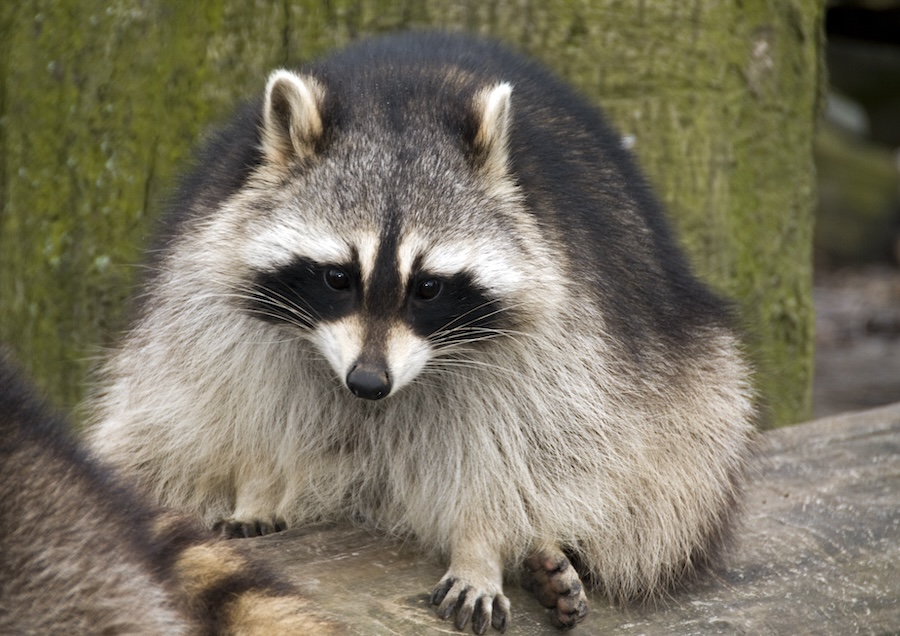
POCATELLO — Idaho Fish and Game is warning residents in the Pocatello and Chubbuck areas after a recent spike in reports of raccoons exhibiting unusual behavior, with at least one animal testing positive for canine distemper.
Over the past three weeks, wildlife officials have received nearly daily calls from concerned residents reporting raccoons that appear sick, lethargic or unusually fearless around people. Some animals have been seen wandering neighborhoods during daylight hours, sitting motionless on sidewalks and driveways, or appearing blind with their eyes “glued shut.”
“Almost daily we get a report of a raccoon that appears sick or acting abnormally,” Idaho Fish and Game Senior Conservation Officer Tyler Peterson said. “Some callers have reported that the animals appear blind or like their eyes are ‘glued shut.'”
Testing confirmed one raccoon was infected with canine distemper, a highly contagious virus that primarily affects raccoons, skunks and members of the dog family. Additional raccoon carcasses are awaiting test results.
According to Idaho Fish and Game wildlife veterinarian Dr. Nicole Walrath, canine distemper is not transmissible to humans, but it is almost always fatal for infected wildlife such as raccoons and skunks. Symptoms include discharge from the eyes and nose, coughing, difficulty breathing, weight loss and a lack of fear around people.
The disease spreads through contact with infected saliva, urine, feces and respiratory secretions. While distemper naturally occurs in wildlife populations every year, officials say it is unclear why so many raccoons are showing symptoms in southeast Idaho this summer.
Fish and Game is urging pet owners to keep dogs away from raccoons and raccoon carcasses and to ensure their pets are up to date on distemper vaccinations. Residents disposing of a dead raccoon should wear gloves and a mask, place the carcass in a sealed bag and throw it away in a trash receptacle.
Officials also recommend removing food sources that attract raccoons, including unsecured garbage, spilled birdseed, and pet food left outdoors overnight. Homeowners should keep pet doors closed at night and block access to garages, decks and crawl spaces.
Fish and Game says not every raccoon seen during the day is infected, and the agency will evaluate reports of sick animals on a case-by-case basis rather than responding to every call. Officials expect the current increase in cases to subside as the summer progresses and do not believe it will have a significant long-term impact on local raccoon populations.