



The great raspberry raid: Birds are winning the battle
Published at
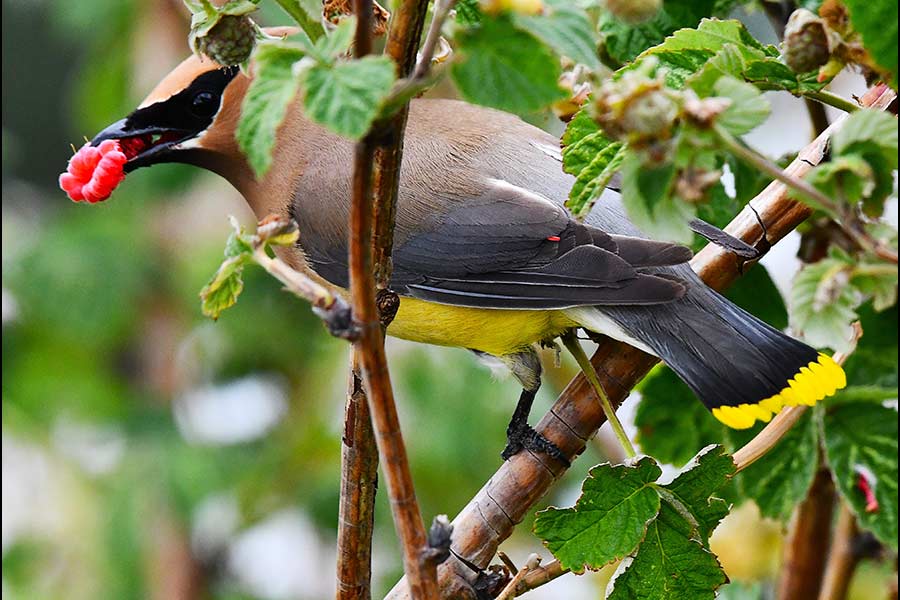
About 5:30 each morning, the songbirds wake up and start singing in the large trees around my home, indicating that it is time to get up before they invade my raspberry patch. I have 15 minutes to be out in the patch to harvest the berries that ripen during the night before a host of songbirds beat me to the juicy morsels. It has never been this bad as I have always been willing to share the berries with the few birds that visited my garden.
This year’s problem was created during the late spring when several very cold nights froze most of the wild berry-bearing trees just as they were blooming. I have maintained a grove of chokecherry trees that the songbirds usually do most of their feeding on. This year, we do not have a single berry on those trees. The raspberries bloomed late enough for them to produce a nice crop of berries, and we are battling for the rights to harvest them.
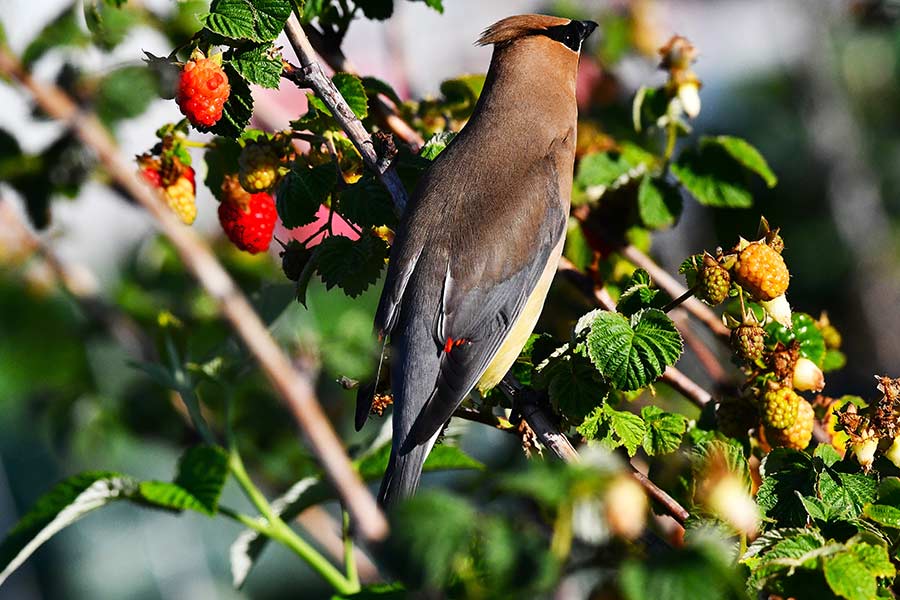
As the raspberries began to turn pink, a host of European starlings and Eurasian doves descended on my patch, so I put out two scarecrows and a host of floppy discs to try to scare them away. Fat chance. Out came my .22 with birdshot and that did the trick on them. Cedar waxwings, Bullock’s orioles, Western tanagers and American robins continued to slip in for berries as they ripened.
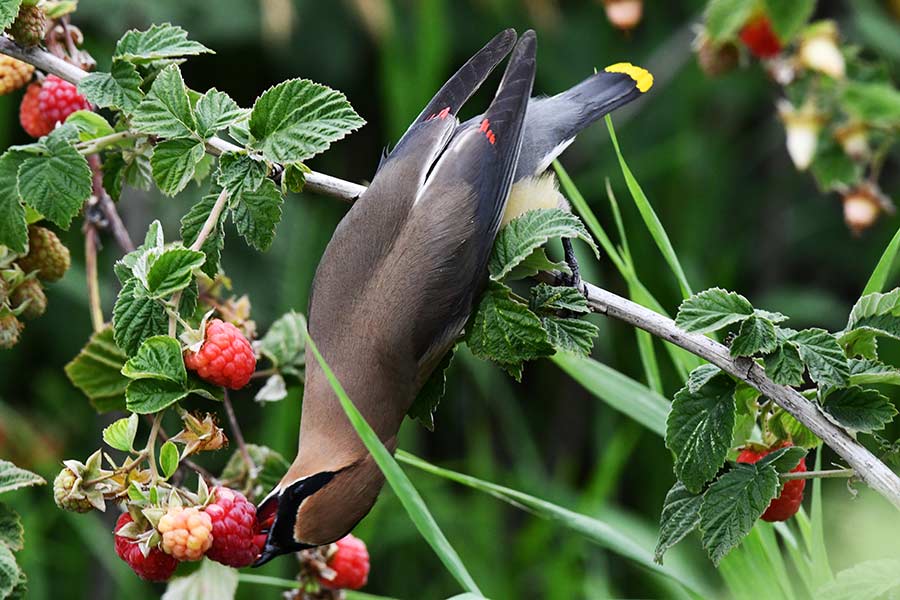
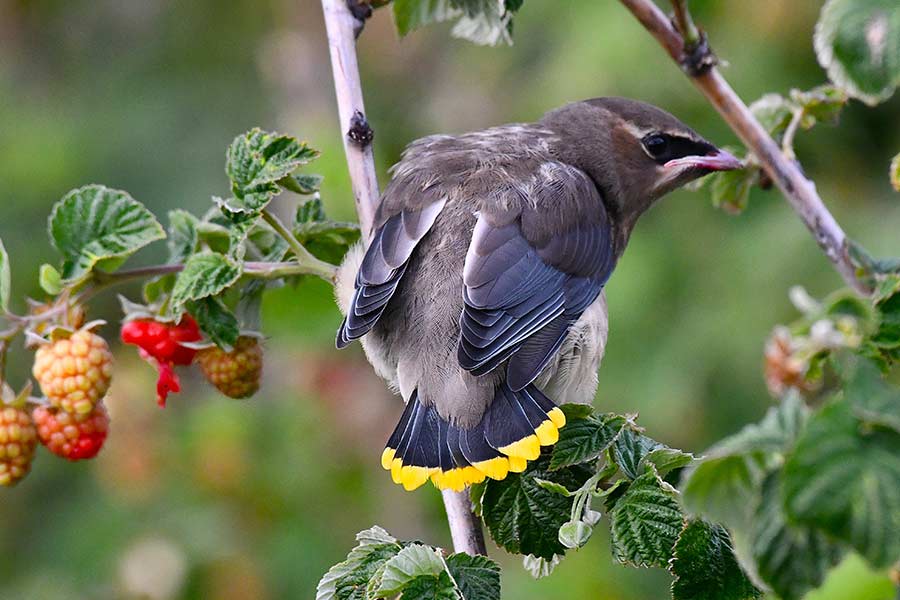
This Thursday as I was picking berries, a pair of waxwings flew in with four fledglings that could hardly fly. They landed by some ripe berries, and the babies began to eat them, so I went over to scare them away. I caught two of the young ones and carried them over into some tall grass. It wasn’t long before the parents led them back to the berries. A shot in the air moved them out of the patch for the evening.
To get enough berries for this winter, we have had to start picking them every evening and morning. Harvesting summer raspberries will be over in a couple of weeks. To protect my new patch of fall-bearing ones, I am looking for a net to protect them. They are just starting to bloom now.
I don’t know what the birds will do for food this fall because I have not found many wild berries on my travels. I guess they will have to eat seeds. The harvest of grain is just around the corner.
I have not found a single huckleberry this summer but have found some of the bushes with blooms. Hopefully, we will get a late crop before the frost gets them. I will need to get about three to five gallons to meet our yearly needs.
I will continue to battle with the beautiful songbirds over my raspberries — raspberry jam is not quite as tasty as raspberry/huckleberry jam, but this year it might have to do. I am also praying for a very cold and stormy winter without a late frost as we had this past year. At least, fishing for kokanee continues to be good for us.

Living the Wildlife is brought to you by Yellowstone Teton Territory. Experience 7,500 square miles of untamed wilderness in Eastern Idaho's Yellowstone Teton Territory. Where majestic peaks meet endless adventure, your perfect outdoor escape is waiting. Start planning at YellowstoneTeton.com.