



What’s behind this year’s earwig activity?
Published at
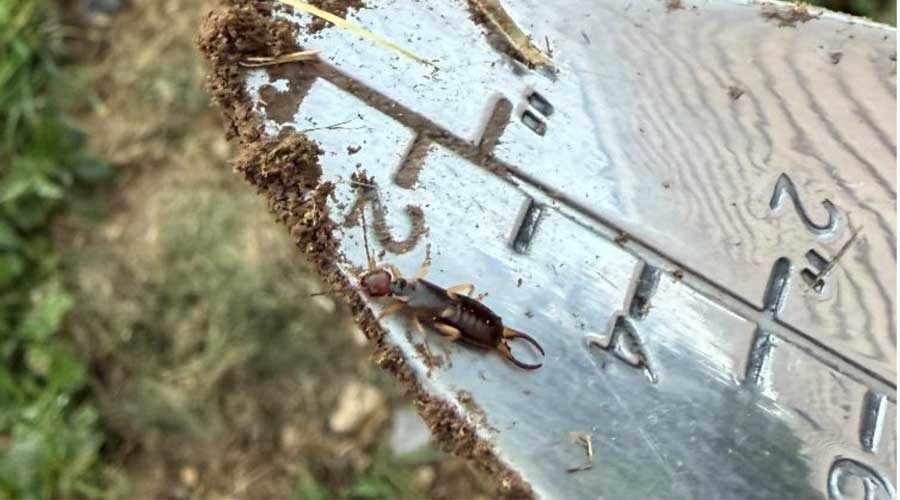
POCATELLO — I have received several reports of large numbers of earwigs in gardens, flowerpots, and in plant foliage across eastern Idaho this year.
While this may seem alarming, an overall increase in sightings does not necessarily mean an increase in the overall earwig population. Still, there are ways to reduce their numbers.
Why earwig numbers change
Earwig populations vary from year to year. Research suggests these changes are caused by food availability, disease, predators, competition and other environmental conditions.
Earwigs spend the winter in underground nests. Studies have shown that as the overall number of cold days increases, fewer earwigs survive the winter. However, winter conditions can vary significantly even in the same regions.
Other studies have shown that warmer springs allow the earwigs to develop faster and become more active earlier. This may make them more noticeable for a longer period during the gardening season.
During drier springs and summers — like this year — irrigated lawns and gardens can provide a suitable habitat for earwigs within an otherwise dry landscape. These areas offer moisture, food, shade and protected places where earwigs can hide during the day.
Why earwigs gather in groups
Earwigs naturally like to gather in groups around damp, protected areas. They release chemicals that other earwigs associate with safe shelter. This helps explain why you typically do not find just one earwig under a flowerpot or groundcover, but an entire group of them.
Seeing many earwigs gathered in one location can make it appear that there has been a sudden population increase. In some cases, the earwigs may simply be concentrated in the limited areas that provide the moisture and shelter they need.
Are earwigs beneficial or damaging?
If you have seen earwigs in your flowers or fruit, you would likely confirm they are damaging pests, but they are also beneficial. Earwigs are nocturnal omnivores, meaning they feed at night and can eat both plants and insects. Because of this, they can be beneficial by eating aphids on your flowers, and damaging when they feed on the flowers, vegetables, or fruit.
Earwigs may chew holes in petunia flowers, feed on tender leaves, damage soft fruit, or eat the silks from developing ears of corn.
Their damage is often more noticeable during the summer when earwig activity is high and tender flowers, fruits, and vegetables are readily available in the landscape.
How to confirm earwig activity
The presence of earwigs in the garden does not always mean they are the pest responsible for the plant damage you are seeing.
A practical way to confirm earwig activity is to place a piece of corrugated cardboard near affected plants. Earwigs are nocturnal, and they will use the cardboard as shelter during the day. They may also hide in folded foliage, fruit, underneath flowerpots, or in other dark and protected spaces.
Another way to determine if earwigs are damaging your plants is to inspect the leaves after dark with a flashlight, when the earwigs are actively feeding. You may find another insect doing the damage!
Managing earwigs
Controlling earwigs requires a multipronged approach.
Begin by removing unnecessary shelters near tender plants, like weedy groundcovers and plant debris. Avoid keeping the soil surface continuously wet, allowing the top 1 to 3 inches of soil to dry between waterings. Watering in the morning rather than the evening can also reduce the time the soil surface remains damp.
Baited traps can help reduce earwig numbers in particularly problematic areas. One option is to place a shallow container at soil level and fill it with a one-to-one mixture of cooking oil and soy sauce. The soy sauce attracts the earwigs, while the oil traps and suffocates them. Tuna packed in oil may also be used as bait, but it may attract other unwanted pests (like cats).
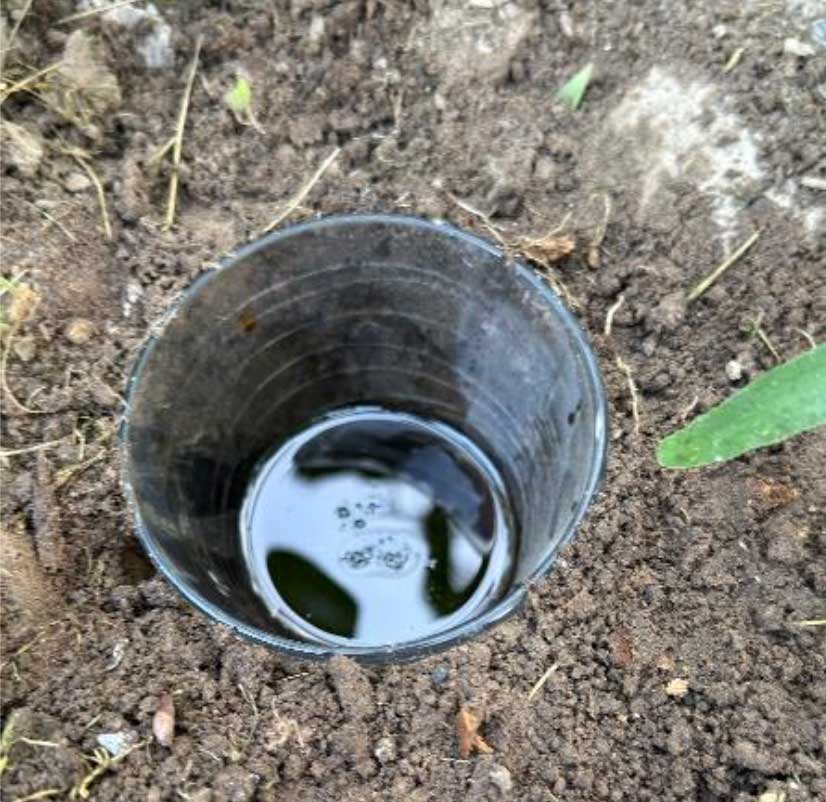
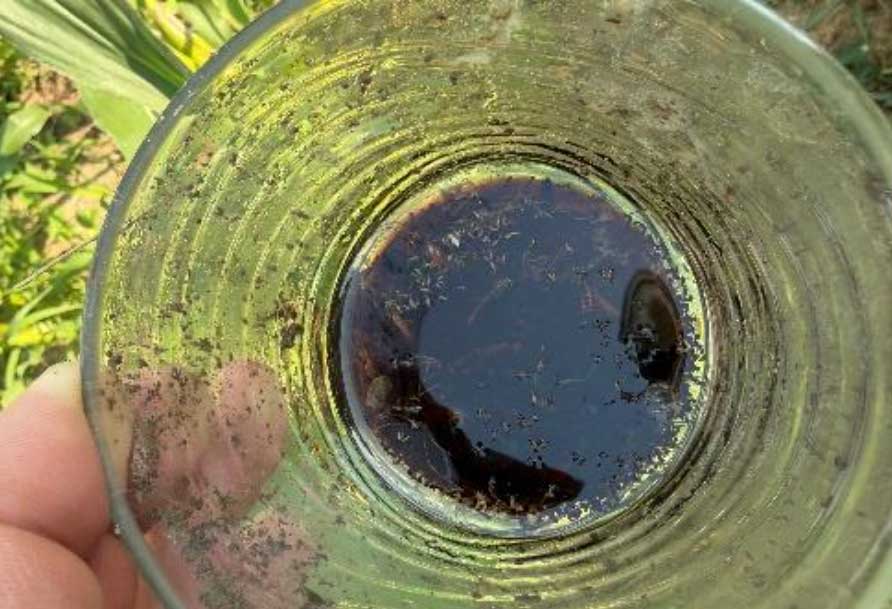
These traps will fill up and should be emptied regularly. They are most effective when placed near plants where earwig activity or damage has already been confirmed.
There are also pesticides labeled for controlling earwigs, but typically modifying the environment and setting out baited traps will reduce their numbers enough that applications are unnecessary.
What gardeners can do now
If you see large numbers of earwigs, begin by inspecting your plants after dark and identifying where the earwigs are hiding during the day. Remove their hiding spaces, adjust your irrigation where appropriate, and place traps near plants where damage has been confirmed.
The goal does not need to be the elimination of every earwig from the landscape. Instead, focus your control efforts on earwigs in locations where they are damaging flowers, fruits and vegetables.
If you have any questions about controlling earwigs, contact your local UI Extension office.