



Health advisory issued for Ririe Reservoir after potentially dangerous toxins found
Published at | Updated at
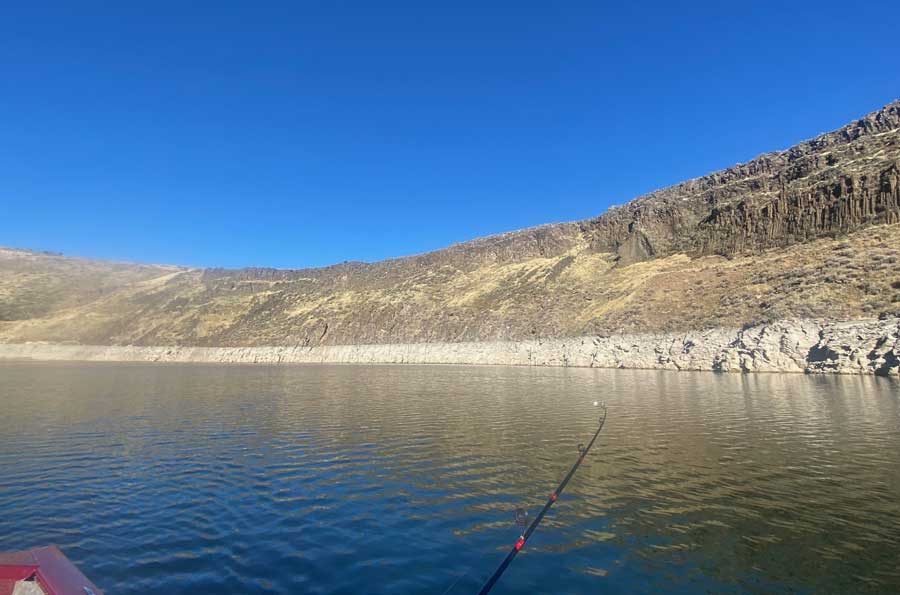
IDAHO FALLS — Idaho health officials are warning people to stay out of the water at Ririe Reservoir after testing found high levels of toxin-producing cyanobacteria.
The Idaho Department of Health and Welfare issued a health advisory for the reservoir, located east of Idaho Falls off U.S. Highway 26 in Bonneville County.
Recent water samples showed high amounts of cyanobacteria capable of producing toxins that can make people and animals sick. Officials are urging visitors to avoid swimming, wading or otherwise coming into contact with the water while the advisory remains in effect.
Pets and livestock should also be kept out of the reservoir and should not be allowed to drink the water. Officials warn animals can become seriously ill or die within minutes to days after exposure to cyanotoxins.
Dogs are considered particularly vulnerable because they may swim in contaminated water, drink it or lick cyanobacteria from their fur. Any animal that comes into contact with the reservoir should immediately be rinsed with clean water.
Health officials also warn people not to drink or cook with reservoir water. Boiling or filtering it does not remove the toxins and could actually increase the risk of illness.
People who come into contact with contaminated water may develop rashes, hives, red eyes, coughing, wheezing or shortness of breath. Swallowing the water can cause stomach pain, diarrhea, vomiting, headaches, muscle weakness or dizziness. More serious exposure can potentially cause liver damage.
Cyanobacteria occur naturally in Idaho waterways, but warm temperatures can cause populations to rapidly increase and form harmful algal blooms. The blooms can appear as mats, foam, surface scum or spilled paint and may have a foul odor. Some mats can also remain underwater and be difficult to see.
Anyone who believes they became sick after exposure should contact a healthcare provider or the Poison Center at 1-800-222-1222.
The Department of Health and Welfare, South Central District Health and Idaho Department of Environmental Quality will continue monitoring conditions. The public will be notified when the advisory is lifted.