



Beauty that survives the cold: Of all the roses, there is one for you
Published at | Updated at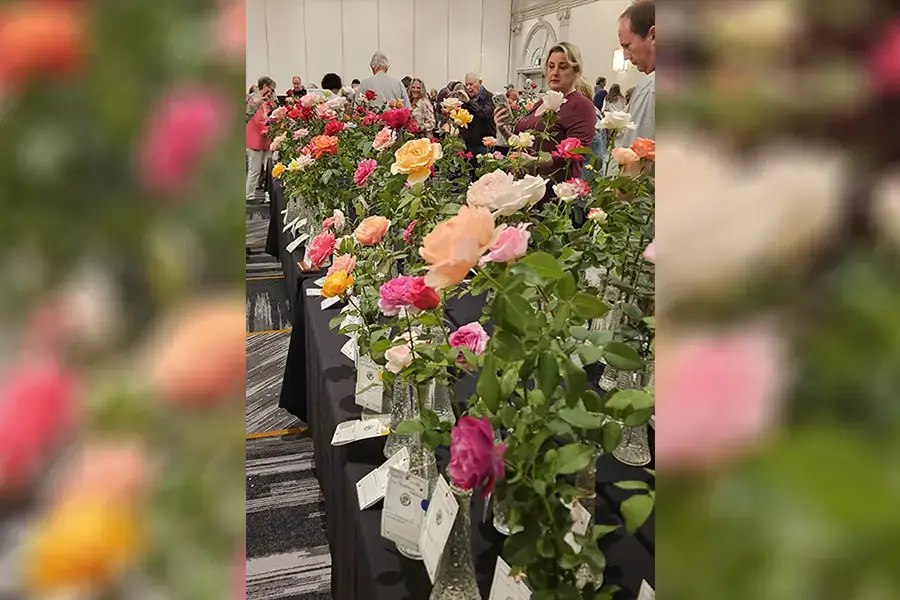
As Extension educators, we keep up with information from a broad range of agriculture and horticulture, depending on our position descriptions. So as part of my professional development I was able to attend the American Rose Society’s National Rose Show and Convention this past week in Nashville Tennessee. It was an amazing experience to see hundreds of roses in person on the show tables, learn details of cultivation and meet some of the world’s best rose breeders from some of the biggest and well-known rose production nurseries.
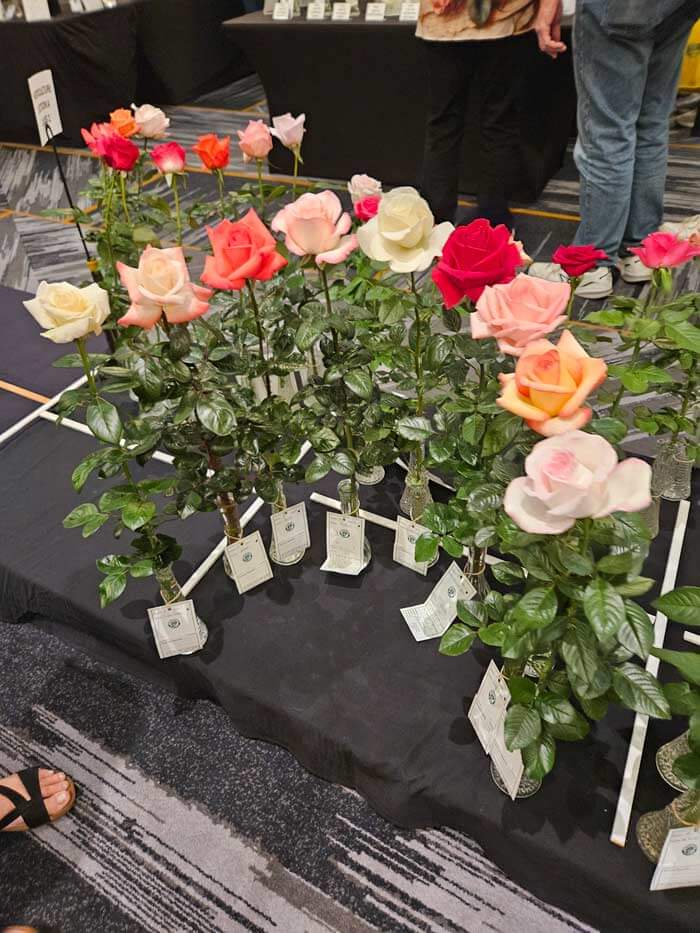
After talking with rose growers and reviewing information from our own University of Idaho Extension rose trial in Aberdeen (about 2010), here are some of the hands down must grow roses for your east Idaho yard. I have also done my best to sort these by what is actually and currently available in the nursery trade. Some of these might not be available at local nurseries, but they are at least readily available from online rose specialists, see the bottom of the article for a list of some. Many won’t be in stock especially at the end of the season, but that just gives you time to plan the perfect spot to put it this coming spring.
This brings me to some basics, though I’m going to give you a list of great cold hardy roses we still want to give them the best chance of success.
Roses almost universally hate heavy soil. Mostly it is the constant “wet feet” or waterlogged roots that are the problem. Consistent water is good if you have drainage and a chance for the top few inches of soil to dry out between irrigation events. Especially avoid wet soil during the winter. Next 6 hours of direct sunlight. And last of all a pile of mulch for winter protection. Do this late in the fall once they have dropped their leaves.
Now I have selected almost all zone 4 (average minimum winter temperature of 20 below to 30 below) hardy roses — yes they exist — because we still will have the occasional “real” winter like 2022 that significantly damages even hardier trees and shrubs. But if you have had difficulty with winter die back in your roses and haven’t hilled up mulch or otherwise proved some winter protection you should.
There are many groups or classes of roses and you probably have in your head a hybrid tea. Here is the catch: The genetics of the hybrid teas come from the China and tea roses which are native to the more sub-tropical areas of China and the rest of the Orient. That is why they will almost always fail after we get a “real” winter. But there are a few exceptionally hard varieties that will give you that quintessential, perfect, Beauty and the Beast rose form. Enough talk. Let’s get to some specific varieties.
Hybrid teas
For a classic soft pink with a fruity scent, try the Audrey Hepburn variety.
Polar Star is an excellent white and a good cut flower too.
Neil Diamond is a showy red and white striped bicolor. I’m not in love with stiped roses, but then again, it is very hardy.
Floribundas and grandifloras
These are similar to the hybrid teas. For simplicity, you can think of them as smaller but more flowers per cane.
Miss Congeniality is white but with such strong bright pink edges you don’t see much white, I think it is quite lovely.
Nearly Wild is an open or what we call a single flower but what you may think it lacks in petal count it makes up for in continuous bloom. Rosy pink with a lighter eye.
Fred Loads performed outstandingly in the Aberdeen trials. Its bright medium orange to salmon orange flowers really grab your attention. They are semi-double (versus single or double) and about 4 inches across.
Chuckles — yes, chuckles — has more than 4,000 named roses in current production. You cannot be too picky when selecting a cultivar name. Now, this is a single-flowered rose, and if that is a deal breaker for you, then your choices for cold hardy roses are going to be limited, which with many more than this list to choose from that might not be a bad problem.
First Editions Campfire is hardy to Zone 3 and even 2b. The winner of the ARTS Bsk climate region, this rose is from the Canadian Artists Series, commercially available through Bailey’s Nursery, which means your local garden center probably has it. It’s yellow with pink edging aging to almost entirely deep rose pink.
Miniatures
Popcorn has white clusters of half-inch blooms, one of the hardiest miniatures in the trial.
Glowing Amber is an exception to my rule of only telling you about varieties that you can actually find and haven’t been dropped from commerce. This little bright red with amber-yellow reverse rose was one of the hardier and better miniature roses out of the 30 or so miniatures in the trial. Sorry to entice you with a red herring, but maybe one of you can find this gem of a variety again.
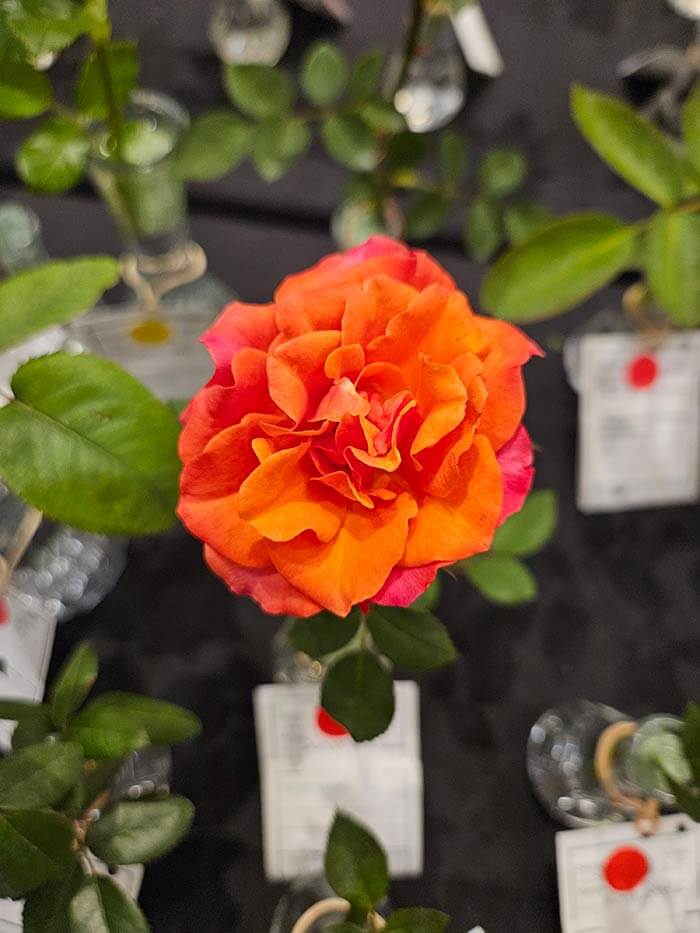
All A “Twitter”: Since you probably won’t find Glowing Amber, I give you this lovely zone 4 miniature. Orange with pink sparkling on the tips.
Climbers
Alex MacKenzie: Dark pink fully double flowers, probably the best overall climber in the Aberdeen trial.
John Davis: Be patient with this one getting established and you’ll never be sorry. It’s light medium pink flower.
Shrub
Larger and more robust than the hybrid teas, floribundas, etc., and less maintenance, use them as you would any shrub like forsythia, hydrangea or spirea. I’ll leave you some of the fun and won’t give descriptions or photos on these so you can look them up yourself.
- Golden Unicorn
- Quietness
- Cuthbert Grant
- Morden Sunrise
- Winnipeg Parks
- Carefree Beauty
- April Moon
- Hope For Humanity
Old garden roses and others
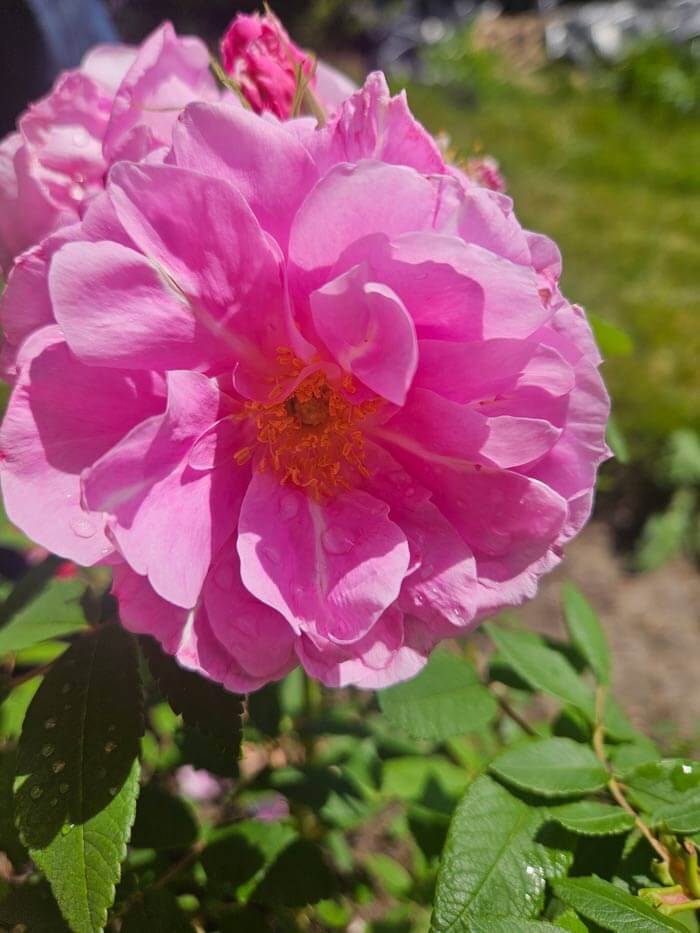
Thérèse Bugnet: (It’s French, say “boo-neigh.”) This R.rugosa hybrid has done great for me both in rocky poor ground in my past yard and even in heavier soil. She is hardy to zone 2 and sweetly scented. If I haven’t convinced you yet that there is a rose for your garden try one more time. Try planting her — you won’t be disappointed.