



Do you need to aerate your lawn?
Published at
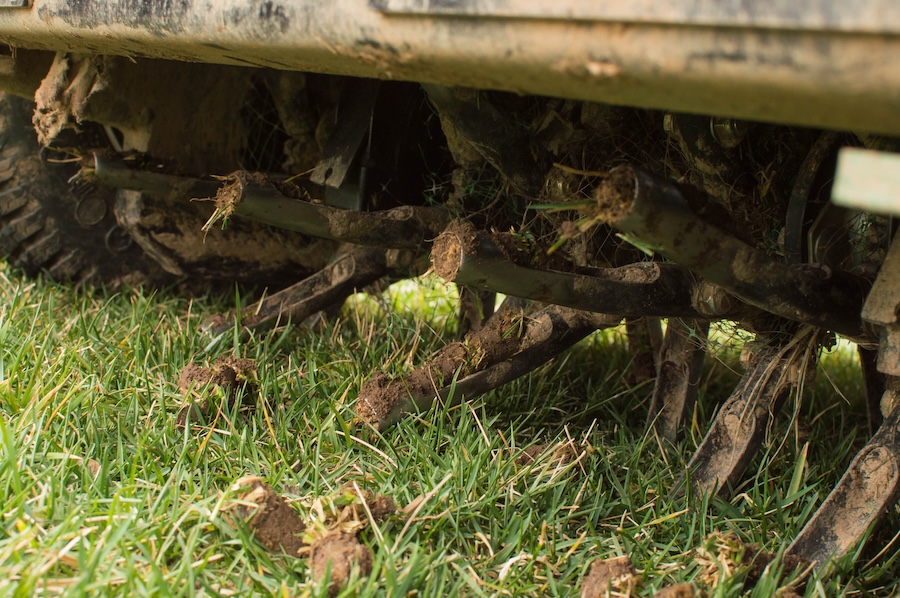
Core aeration is often recommended as a solution for struggling lawns, but not every lawn needs it. While aeration can relieve soil compaction, improve water and nutrient movement, and reduce excessive thatch, its benefits depend on your soil conditions and how the lawn is used.
When to Aerate the Lawn
In Idaho, aeration can be done in either fall or spring. That is the time when our grasses, like Kentucky bluegrass, fescue, and perennial ryegrass are most vigorous. Aeration causes some initial damage. Grass can recover quickly during the favorable growing conditions in spring and early fall.
Does my lawn need aeration?
Whether or not to aerate is largely determined by the soil type and the amount of use. Lawns growing in clay soils and those subject to heavy use will require more frequent aeration. If your soil isn’t compacted or doesn’t have heavy thatch buildup, aeration will be less beneficial. Excessive thatch is present when a layer of undecomposed stems and roots exceeds about ½ inch between the soil surface and the green grass shoots. Signs of soil compaction include poor drainage, shallow rooting, reduced drought tolerance, stunted growth, yellowing patches, and thin or weak turf.
How to Aerate the Lawn
Aerate lawns with a core aerator. Core aerators have hollow metal tubes or tines that remove plugs of soil. If your lawn isn’t covered in soil plugs following aeration, it isn’t doing a good job. Avoid spike-type devices that simply punch holes in the ground. These just contribute to compaction. Core aerators are often available from rental agencies and aeration is also commonly offered by lawn care companies.
For best results, aerate lawns when the soil is moist. Avoid aeration when soils are dry or wet. Lawns that are properly aerated should have 20 holes per square foot. This often requires making two or more passes in different directions across the lawn.
To help promote recovery of the lawn, fertilize the lawn one week prior to aeration and irrigate the lawn after aeration if the weather is dry. Overseeding and fertilizing can also be done after aerating the lawn.
Aeration and Compost
Compost can be applied in conjunction with aeration to improve soil quality, especially in clay soils. A thin layer (about ¼ inch) applied before or after aeration can help improve soil structure, water infiltration, and microbial activity over time.
Conclusion
Aeration can be one of the most effective lawn maintenance practices when it addresses an actual problem. Before renting an aerator, evaluate your lawn for compaction, excessive thatch, or heavy traffic. If those conditions are present, aeration can improve turf health and help your lawn perform better throughout the growing season.