



People want the University of Idaho murder victims’ cell phone data. Their families are suing
Published at
Alexandra Duggan, The Spokesman-Review
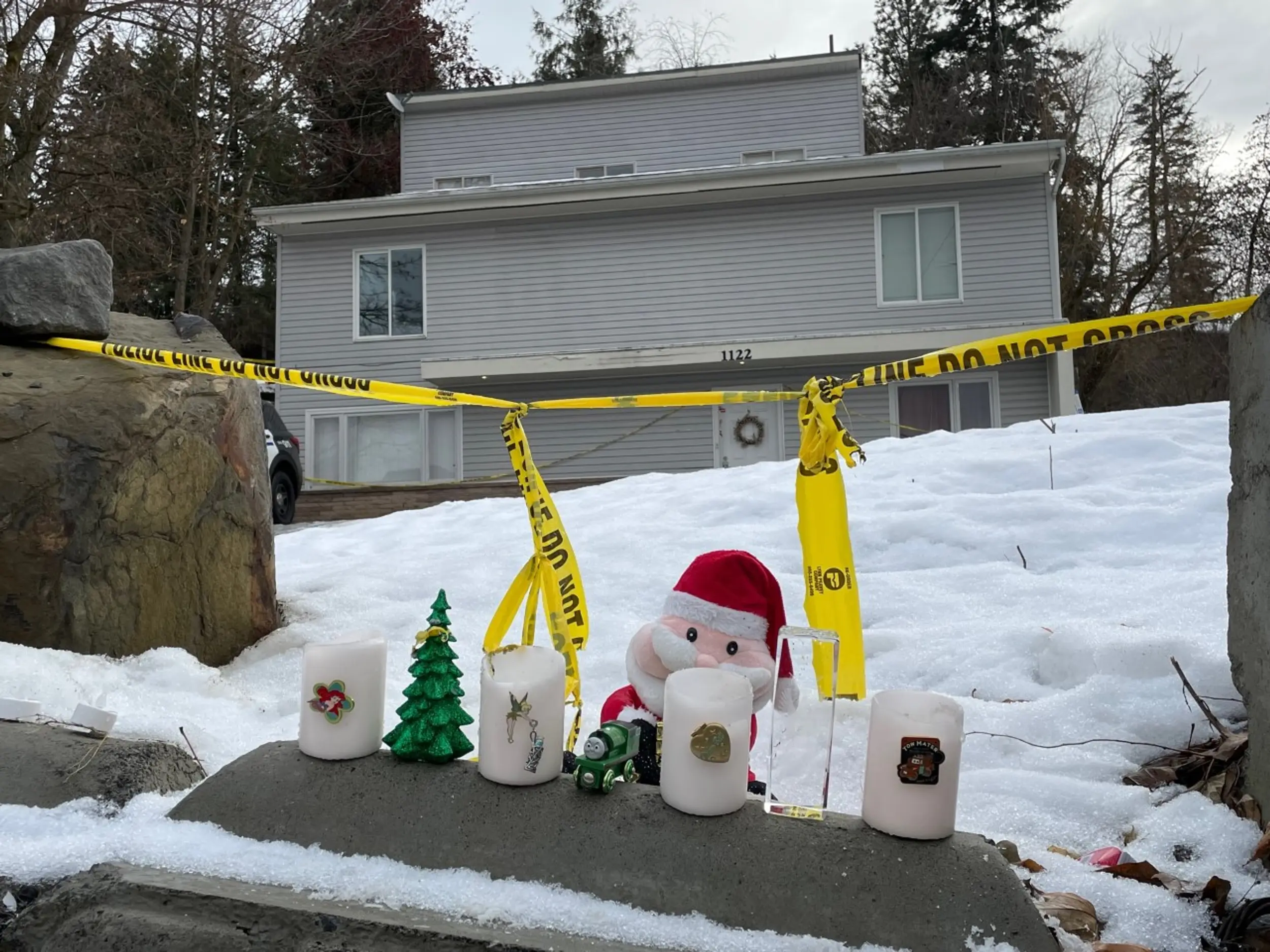
MOSCOW (The Spokesman-Review) — Though the stabbings of four University of Idaho students happened nearly four years ago, the relentless public records requests from true crime content creators and other people across the U.S. asking for crime scene photos and intimate communication is still wreaking emotional havoc for the victims’ families.
A lawsuit filed last week in Walla Walla from the families of Madison Mogen, Ethan Chapin and Kaylee Goncalves, who were killed in an off-campus Moscow home by former Washington State University graduate student Bryan Kohberger on Nov. 13, 2022, seeks to bar avid requesters from gaining access to the victims’ cell phone data.
The suit claims six people filed overly broad records requests for the victims’ phone data to the Walla Walla Police Department, which assisted Moscow police in data extraction.
Xana Kernodle was also one of the four killed, but does not have a family member named in the lawsuit.
According to records requests attached to the lawsuit, the requesters were asking for the “full digital extraction files” from the victims’ phones as well as metadata, photographs, screenshots, emails and other documentation during the investigation. Though Walla Walla police helped extract the phone data, Moscow police is the custodian of those records, the lawsuit states.
The requests are also overly broad and hamper the ability of city staff to access, review and identify such records. Some requesters appear to be people also posting photos on popular social media threads about the case.
The families argue the release of the phone data, which holds extremely personal information and intimate conversations between friends and family, would cause them “irreparable harm.”
“A blanket request for all data on these phones violates the rights of the children, our families, and everyone whose information is in the data,” said Chapin’s mother, Stacy Chapin, in a statement released Friday.
Washington law states certain records can be withheld if the records violate someone’s privacy by being “highly offensive” and if it is not of legitimate concern to the public. Goncalves’ sister, Alivea, said in a statement that “the public’s right to know has limits” and called the requests an intrusion into her family’s privacy.
This is not the first time the victims’ families have had to defend their positions in and out of court. Mogen’s mother fought to keep overly graphic photos of her daughter’s body out of the public eye and won. But just last month, the families were notified again that they could see the bodies of their children circulating online. True crime content creators and YouTubers were openly discussing wanting to release unredacted photos of the students’ bodies and questioning the police investigation into the killings.
One said in a YouTube video, “stay tuned.”
Latah County officials have been outspoken about the potential release of any photos, calling the dissemination an invasion of the victims’ privacy that “demonstrates a profound lack of integrity.”