



Bird flu outbreak in Washington state dairies is linked to virus transmitted from Idaho
Published at
Laura Guido, Idaho Capital Sun
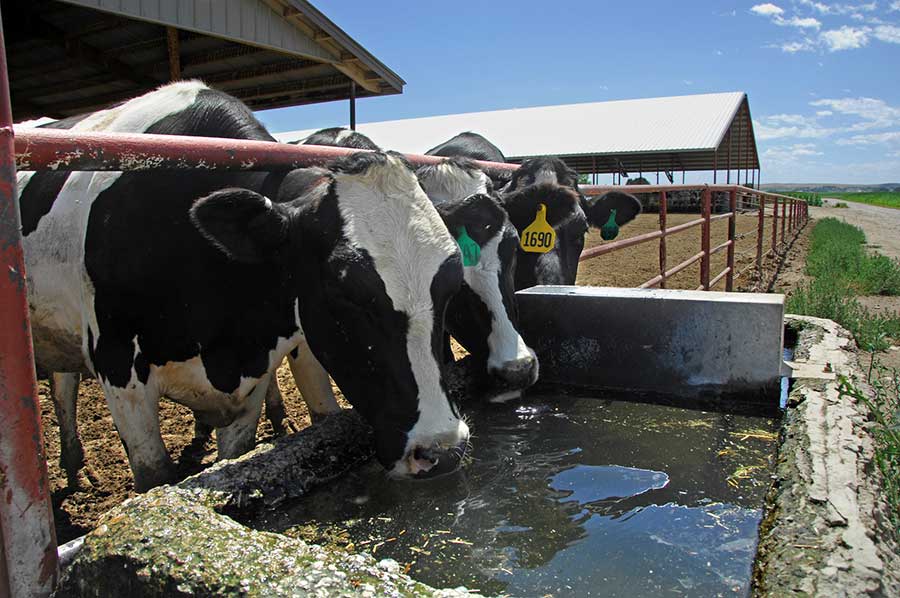
The ongoing bird flu outbreak in Washington state dairies, which has resulted in the death of a dairy worker, likely originated from Idaho cattle, according to federal officials.
The U.S. Department of Agriculture announced this month that an analysis of genetic sequencing indicated the virus that has infected Washington dairy herds and workers likely came from Idaho through cattle movement.
Earlier this month, a Yakima County farmworker in Washington died after contracting the virus, the Washington State Standard reported. The person had underlying health conditions and became ill after exposure to an infected dairy animal, according to the Yakima Health District.
USDA spokesperson Tanya Espinosa told the Idaho Capital Sun in an email that officials can’t determine the date of transmission through genetic sequencing. She said that “Idaho is aware” that the analysis indicated the virus originated in the Gem State.
A spokesperson from Idaho State Department of Agriculture told the Sun the state agency has continued its response to bird flu detection for more than two years.
“Throughout this time, the department has actively conducted surveillance, monitoring and testing efforts to track the disease and protect Idaho’s livestock industry,” ISDA spokesperson Elizabeth Fisher said in an email. “ISDA has aggressively and consistently pursued outreach and education to producers as to the importance of continued testing and monitoring for HPAI on their facilities since the disease was first detected in the state.”
Idaho reported its first detection in dairy cattle of highly pathogenic avian influenza, known as bird flu, in April 2024. Since then, there have been 180 reported cases of the virus detected in Idaho livestock, according to the USDA.
Two of the confirmed cases were reported in the last 30 days, the USDA case tracker shows. As of Nov. 17, there are 21 dairy facilities in Idaho under quarantine after a detection of the virus, according to the Idaho Department of Agriculture.
Are humans at risk of getting bird flu?
As the name suggests, the virus typically infects wild aquatic birds worldwide and domestic poultry, according to the Centers for Disease Control and Prevention. After the first cases in dairy cattle were detected, experts noted that it was unusual for the virus to infect mammals, University of Idaho veterinary medicine assistant professor Lauren Christensen told the Sun in 2024.
Health officials say the risk to people in the U.S. is low. State agricultural officials monitor confirmed cases in Idaho dairies and ensure that milk from infected cows doesn’t get sold. The virus in infected cattle’s milk is also inactivated by pasteurization, according to the CDC. Health officials do not recommend drinking raw milk, which is unpasteurized.
Idaho has had no reported cases of humans contracting the virus.
It’s rare that the virus infects humans. Since the virus was first found in dairy cattle in Texas in 2024, 74 people nationwide have reported contracting bird flu, most of which were after exposure to dairy cattle, according to the CDC. There have been three deaths reported.
There have been 15 human bird flu cases in Washington, the second-most of any state. Those cases mostly originated from poultry farms and culling operations, according to the CDC. Three of the cases were from exposure to dairy herds.
The Idaho Department of Health and Welfare has monitored potential human cases since Idaho had its first case in dairy cattle, an agency spokesperson told the Sun.
“When avian influenza is detected, we work with local public health districts, the Idaho State Department of Agriculture, the Dairymen’s Association, and facility owners to educate workers and monitor health status,” Health and Welfare spokesperson AJ McWhorter said in an email.
Idaho officials say dairy milk continues to be monitored
Many livestock bird flu cases in Idaho are self-reported, the Idaho Press reported. The state Department of Agriculture recommends producers contact their veterinarians if there’s a suspected case. The vet will then contact the agency to set up testing, the newspaper reported. When a case is confirmed, state officials provide oversight and ensure the virus is cleared from the cow before quarantine is lifted, the state veterinarian said.
Fisher, with the state agriculture department, said many recent detections are in asymptomatic cattle.
As cattle move between states, federal requirements require milk testing of lactating dairy cattle, Fisher said.
“With the pre-movement milk testing strategy for lactating dairy cattle, ISDA’s Animal Health Lab has received and tested thousands of milk samples to facilitate compliance with the Federal Movement Order and safe transport of livestock,” she said. “ISDA’s partnership with Idaho’s dairy industry continues to emphasize the importance of early detection of affected farms and mitigation of risk for interstate movement of lactating dairy cattle.”