



Even If You Haven’t Seen “The Seven Samurai,” You’ve Seen It
Published at | Updated at
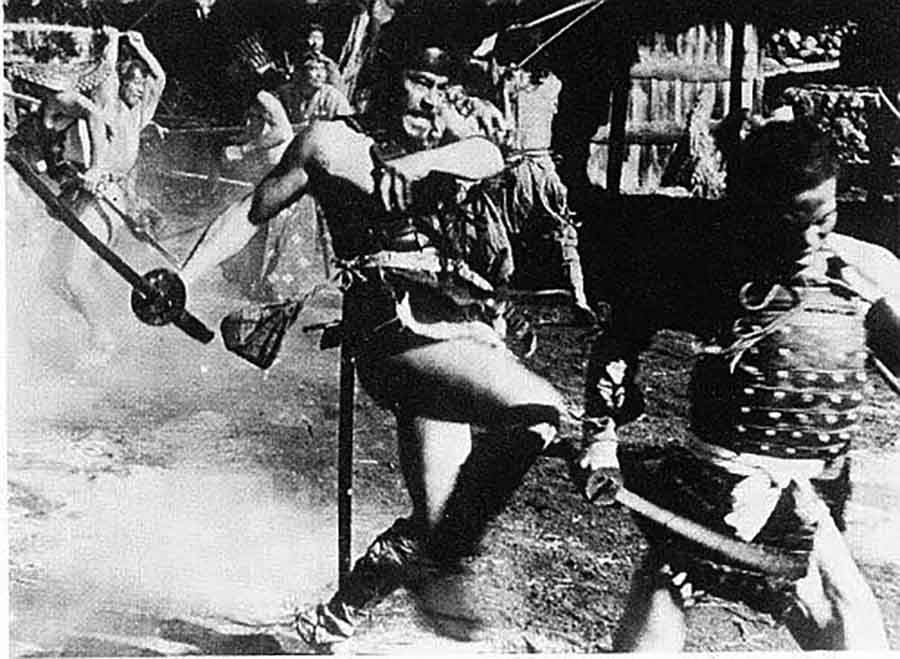
Have you ever seen a movie and thought to yourself, “I’ve seen this before?” That’s because there are no original ideas left. Hollywood keeps cannibalizing and regurgitating the same ideas. One of the best ways to ensure that your film is successful is to borrow from the very best ideas other people have had. And over the years, MANY filmmakers have borrowed elements from “The Seven Samurai” in their efforts to create successful films.
What Is “The Seven Samurai”?
Released in 1954, “The Seven Samurai” is regarded by many critics, film historians and filmmakers as one of the greatest films ever made. Akira Kurosawa, a master of using movement and frame composition whose immense impact on cinema is still being felt today, directed the film. It tells a simple tale of a village of farmers who hire seven samurai warriors to protect them from a gang of marauding bandits. Here’s the original theatrical trailer to give you a taste:
Who Borrowed What?
You can see the influence of “The Seven Samurai” all over the DNA of so many great, and popular, movies. The most obvious examples are the direct remakes, and the best-known remake of “Samurai” is “The Magnificent Seven”.
”The Magnificent Seven” takes the story of “Samurai” and transports it to an Old West setting. It features an amazing cast headlined by Yul Brynner, James Coburn and Steve McQueen, one of the coolest guys to ever walk the earth. Six shooters replace katanas and dry and dusty replaces wet and muddy. Other than that, it’s pretty much the same movie. Here’s a video that compares the two films.
But it’s not just remakes that have taken bits and pieces “The Seven Samurai.” Many of our favorite films have used plot elements, character quirks or visual ideas employed by Kurosawa in his epic. The basic storyline has been adopted by movies as diverse as “A Bug’s Life,” “Battle Beyond the Stars” and “Galaxy Quest.” There’s even an episode of the “Star Wars: The Clone Wars” series that borrows its plot from “Seven Samurai.”
There are other films that borrow the idea of a rag-tag crew banding together to complete a mission. “The Wild Bunch” is a western that plays with this idea, while “The Guns of the Navarone” and “The Dirty Dozen” are war movies that fit this description. Heist flicks like “Ocean’s Eleven” also use this storyline, swapping out the war mission for a criminal venture.
Then you have the plethora of movies that have taken inspiration from “The Seven Samurai” without aping its plotline. For example, it was a viewing of the Kurosawa masterpiece that fired George Lucas’s imagination and planted the seeds for “Star Wars.” Lucas would borrow liberally from this and another Kurosawa work, “The Hidden Fortress,” while he was cobbling together his space epic.
Other filmmakers borrowed the way Kurosawa shot violence and action. His action scenes were always fluid and flowed well together, not like the many disjointed shaky-cam action scenes of today. You can always see what’s going on in a battle sequence in “The Seven Samurai.” I see a bit of that same technique in the way action scenes play out in movies like “The Matrix.” This video talks a little more about the impact Kurosawa’s films, including “The Seven Samurai”.
“The Seven Samurai” stands as a towering accomplishment in cinema history and it’s very possible that if it didn’t exist, your favorite movie wouldn’t exist either. It’s been remade or adapted into so many other movies, it’s almost impossible for you to avoid seeing it, unless you just never watch movies. I recommend watching it at least once just so you can see what the hype is it about, but be warned. If you don’t like “The Seven Samurai,” we can’t be friends.