



Eliminate lawn grub damage
Published at | Updated at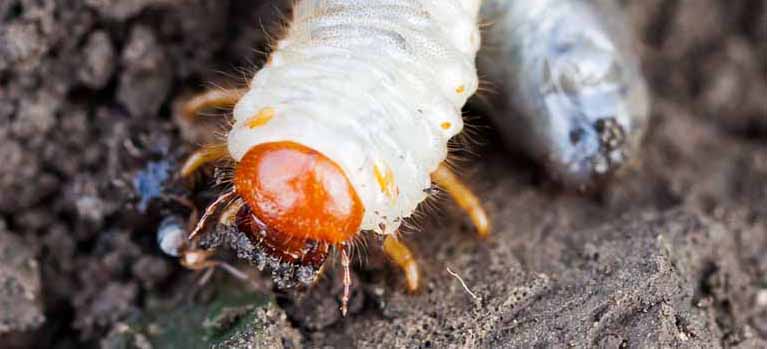
 This story is brought to you by LawnTech, a leading specialist for tree care, lawn care and landscaping in eastern Idaho.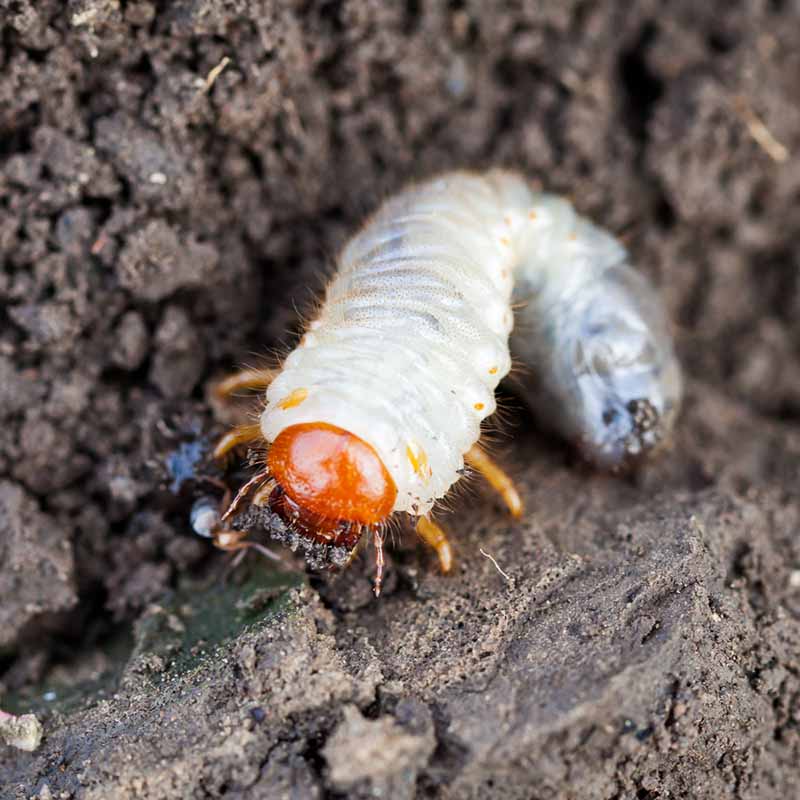
Have you ever noticed a dead patch in your lawn? The cause may not be what you think.
One of the things that causes the most damage to a lawn is the grubs of billbugs, more commonly referred to as white grubs. However, lawn grub damage is the most misdiagnosed insect-related turf disorder in North America.
The grubs can come from a few different types of billbugs. The ones that reside in our area are the blue grass, hunting, Rocky Mountain and Phoenician billbugs.
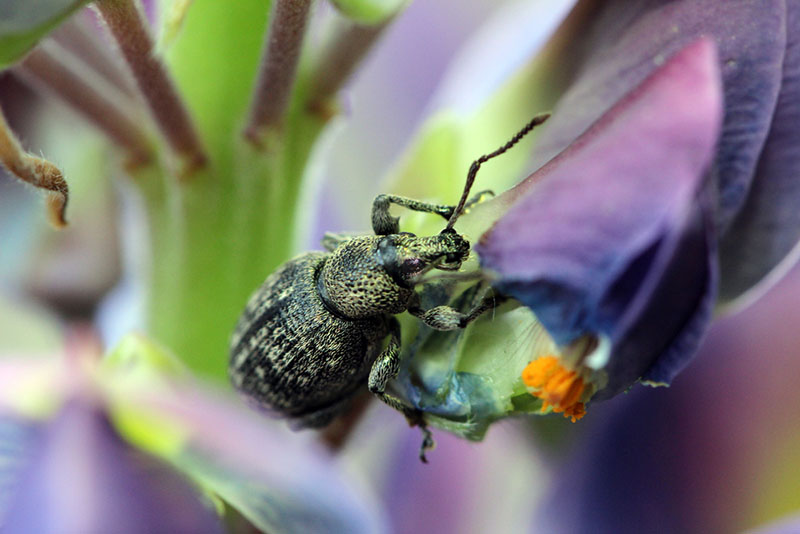
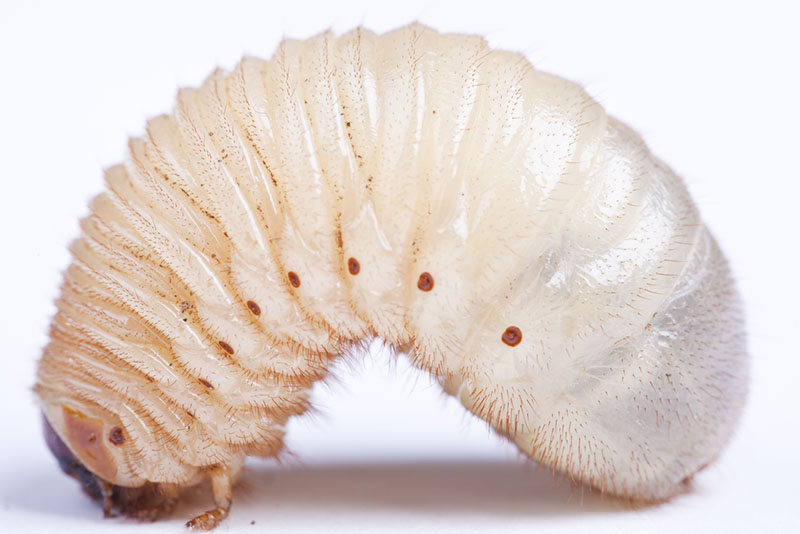
Although adult billbugs may nibble on the stems of grass, the real damage to lawns comes from the grubs. The grubs have a creamy-white, legless body and a chestnut-colored head. The adult billbugs lay their eggs in the root system of a lawn and once the eggs hatch, the grubs feed on the roots of the grass. This is what causes a lot of the yellow dead spots in lawns.
The white grubs will normally hatch in the beginning of June and will continue feeding on the roots of the grass well into the middle of July. In addition, most adult billbugs have wings so they can go wherever they please to lay their eggs. This is why your neighbor may end up with a lawn grub problem and you may not.
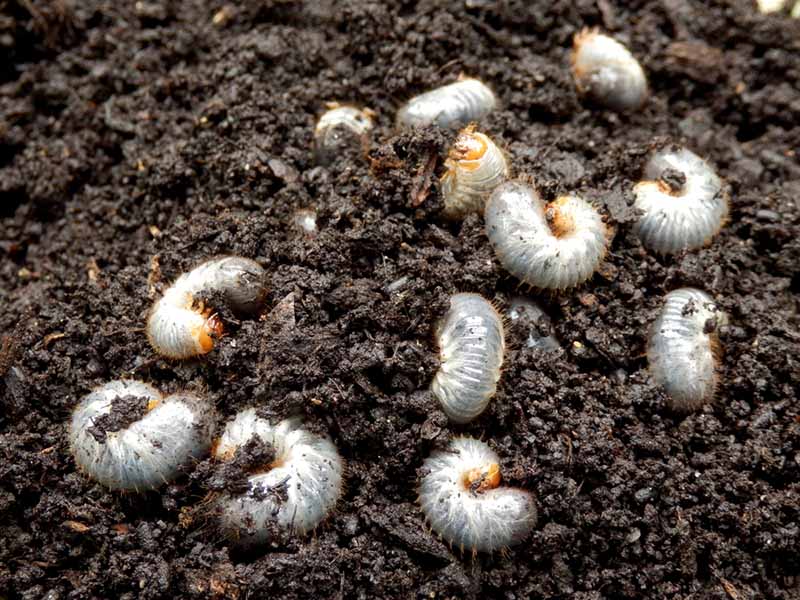
Often, on first sight, grub damage appears as simple drought stress from lack of watering. In fact, regular watering and rainfall from mid-summer through August and September (when grubs are most active) may make the damage worse, as the grass will grow tall and healthy while hiding the grub damage to the root system beneath. When dry weather hits, though, the damage will quite suddenly become clear.
There are treatment options available to control the grubs after they have started feeding, but once the grass starts to yellow, the damage is already done, and some lawn renovation may be necessary in the future.
If you think that you may have had grub damage in the past and are worried that you may have it again, the best thing you can do is call an expert to take a look at your lawn