


Whooping cough spreads in Bonneville and Madison counties
Published at
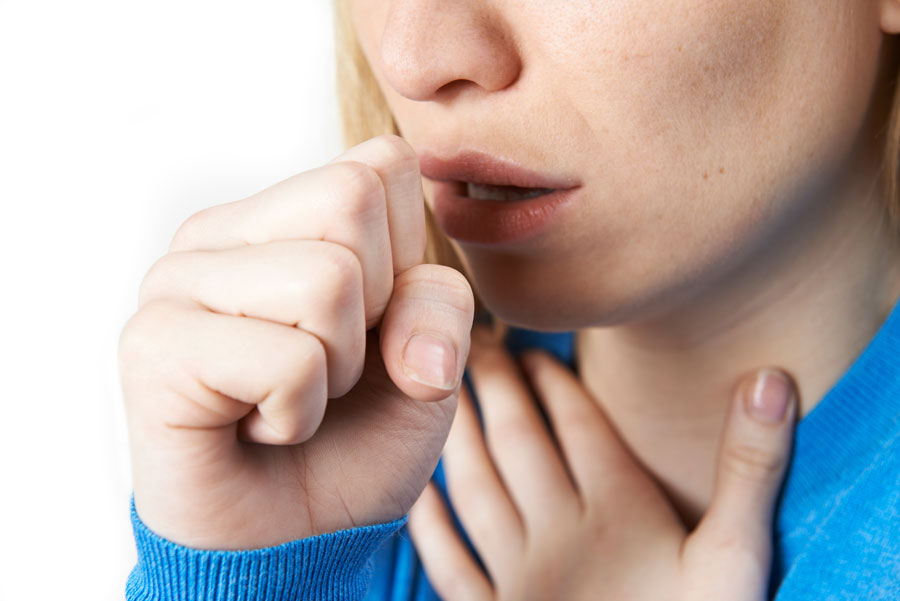
IDAHO FALLS — East Idaho is seeing a resurgence of whooping cough this year.
The Eastern Idaho Public Health District says eight cases of pertussis (also known as whooping cough) have been reported in Bonneville and Madison counties since March 10.
That’s the highest number of reported cases in the region since at least 2010. The only years that came close were 2013, 2014 and 2017 when 5 to 6 cases were reported each year.
“And the reports we get are probably just the tip of the iceberg,” EIPHD Epidemiologist Ken Anderson told EastIdahoNews.com. “I’m sure there are more out there that just don’t get reported.”
Other years, there have few or sometimes no cases reported.
Anderson said respiratory diseases often cycle in communities, and pertussis won’t necessarily cause major illness in healthy adults or children. However, for infants or adults with compromised immune systems, whooping cough can be deadly. The majority of deaths caused by pertussis are of babies under 3 months old, according to the Centers for Disease Control and Prevention.
“When pertussis is in the community, you have to take extra precautions,” EIPHD spokeswoman Mimi Taylor said. “An adult might have a very minor case of pertussis, but that could turn into a catastrophic case if it is passed on to a child.”
The early symptoms of whooping cough include runny nose, nasal congestion, sneezing, an occasional cough and low-grade fever. After two weeks, the disease is typically characterized by intense and drawn out bouts of coughing that sound like the individual is “whooping.” The chronic cough can go on for weeks or months without treatment.
“During the first week, it looks like a cold,” Anderson said “But after a week the cough starts to get worse, and you can cough so hard that you vomit or have trouble breathing.”
The health district says you should go to the doctor if a cough is not getting better after a week.
Pertussis is a preventable illness, with vaccines recommended for both children and adults. The D-TaP vaccine, which also prevents diphtheria and tetanus, is recommended for children starting at two months, then four months, six months, 18 months and between 4 and 6 years old.
The adult version of the vaccine, the Tdap, is recommended first at age 11 or 12 and every 10 years afterwards.
It’s recommended that pregnant women get a vaccine with each pregnancy, so that the newborn inherits an immunity to the disease during its first months of life.
The health district also recommends infants remain isolated after they are brought home from the hospital.
“IF you have a newborn and you bring them home, try not to have everyone come see the baby, especially if that adult has a cough,” Anderson said.
Vaccines are available through local medical clinics and through the health district. There are low income options for those will no insurance.
For more information about whooping cough and prevention visit the CDC’s website.