



Meteor shower with colorful ‘fireballs’ to peak soon over Idaho. Here’s when
Published at | Updated at
Hannah Poukish and Karlee Van De Venter, Idaho Statesman
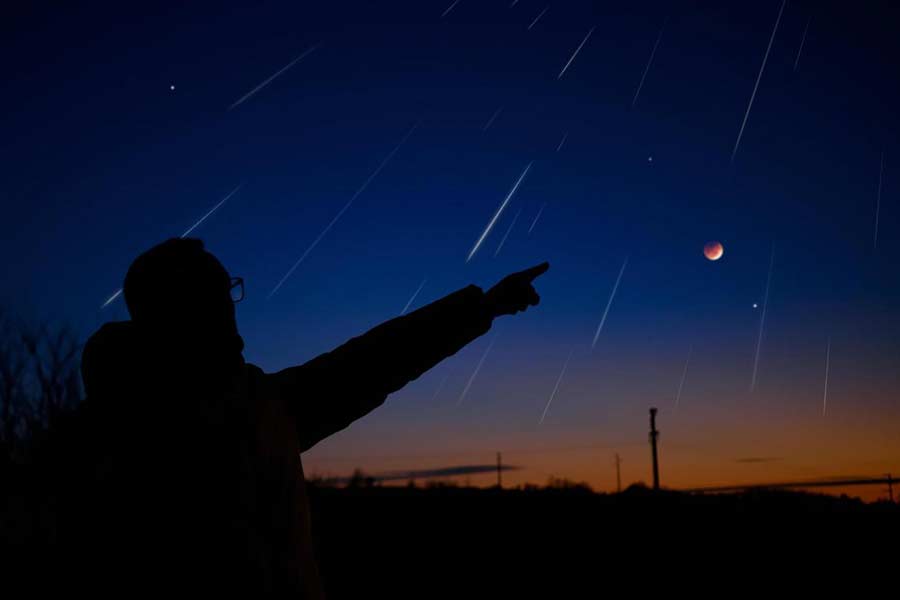
BOISE (Idaho Statesman) – Idaho stargazers can soon spot a major meteor shower complete with colorful “fireballs.”
The Geminid meteor shower will blaze across the night sky, resulting in hundreds of shooting stars dashing overhead.
“With the darkest possible skies, you could see up to 120 Geminid meteors per hour,” Chelsea Gohd of NASA’s Jet Propulsion Laboratory said in a blog post.
Here’s how to view the dazzling display:
When does Geminid meteor shower peak in 2025?
In 2025, the Geminids will peak on the nights of Saturday, Dec. 13, and Sunday, Dec. 14, according to NASA.
It’s one of the most prolific and reliable meteor showers of the year, producing between 60 and 120 meteors per hour under pristine dark sky conditions, National Geographic said.
The sparkling shower begins around 9 or 10 p.m. and lasts until dawn, NASA said.
Where do Geminids come from?
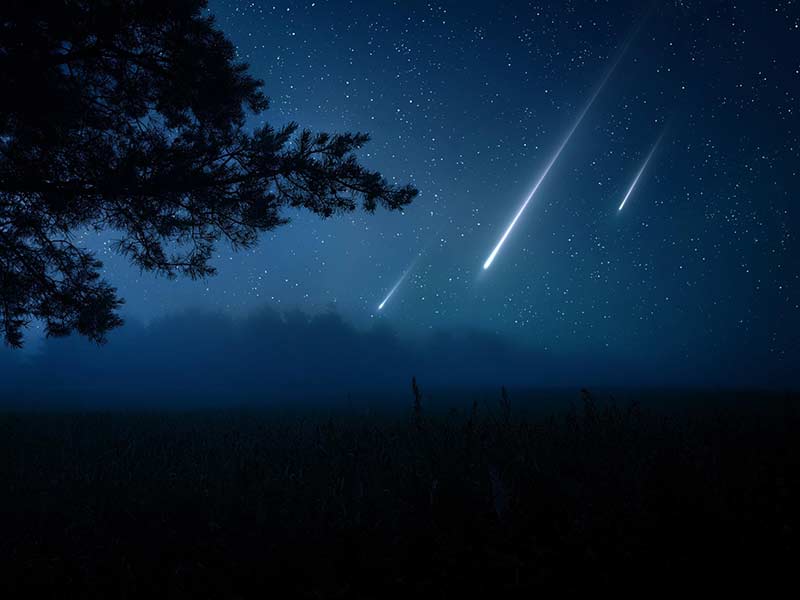
The fast and bright meteors are composed of trailing debris from the asteroid 3200 Phaethon and tend to be yellow in color, according to NASA.
The Geminids first started showing up in the mid-1800s, when around 10 to 20 meteors were spotted per hour. Ever since, the shower has picked up steam, with dozens more darting across the night sky every hour during its peak.
“This meteor shower is known for being bright and colorful,” Gohd said.
How to spot shooting stars in Idaho
Stargazers have the best chance of seeing meteors if they venture away from city lights and lie flat on the ground, looking up with their feet facing south, the space agency said.
The Geminids will appear in the eastern section of the sky, near the planet Jupiter, according to NASA.
This year’s shower is “exceptionally favorable” because skies will remain dark until the waning crescent moon rises around 2 a.m., according to National Geographic.
“Watch for the spectacle’s yellow-tinged streaks and especially bright flashes, known as fireballs, which can appear anywhere in the sky,” National Geographic said.
Will the meteor shower be visible?
Although rain clouds could block views of the Geminid meteor shower in much of Washington, stargazers will likely encounter better viewing conditions in the Boise area, according to the National Weather Service’s latest forecast.
Partly cloudy skies and calm winds were expected in Boise on Saturday night, when the low temperature will reach 32 degrees, the weather service said.
Sunday was expected to be mostly clear, with a low around 34, according to the forecast.
This weather-related story is brought to you by Pony Express Car Wash, Idaho's premier express car wash destination, renowned for its commitment to exceptional service and quality. Voted the No. 1 car wash company in Idaho for five consecutive years, we pride ourselves on delivering an unparalleled experience for every vehicle and customer. Our state-of-the-art facility utilizes name-brand soaps and cutting-edge equipment to ensure your car receives the ultimate clean. Established in eastern Idaho in 2019, Pony Express is proud to be a locally owned and operated company that caters to the unique car washing needs of our Idaho Friends and neighbors. We invite you to experience the difference at Pony Express, where your satisfaction is our ultimate goal.