



Weird winter! Some hooded mergansers forgot to migrate south.
Published at | Updated at
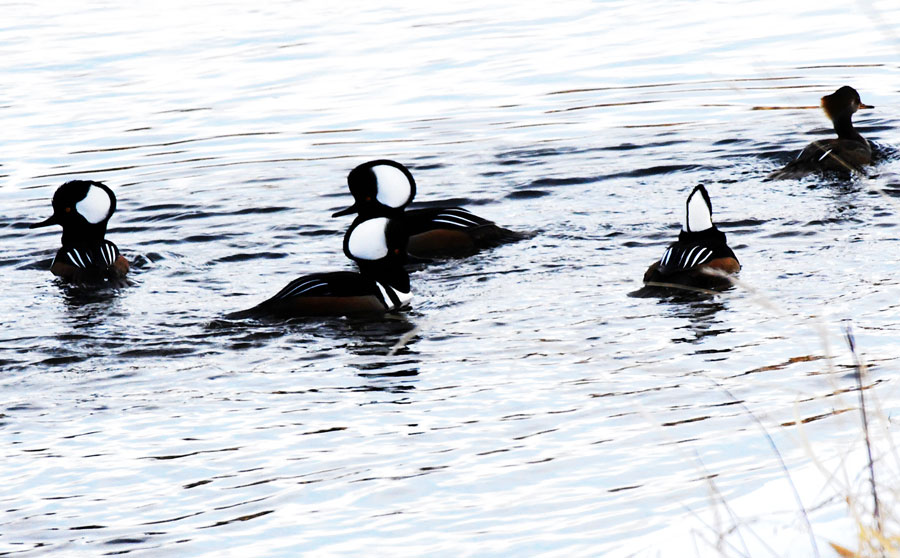
Talk about a weird winter: almost no snow on the ground at our home, some of the lakes still haven’t frozen over, I’ve been hunting rocks in December and January, and some birds forgot to migrate south.
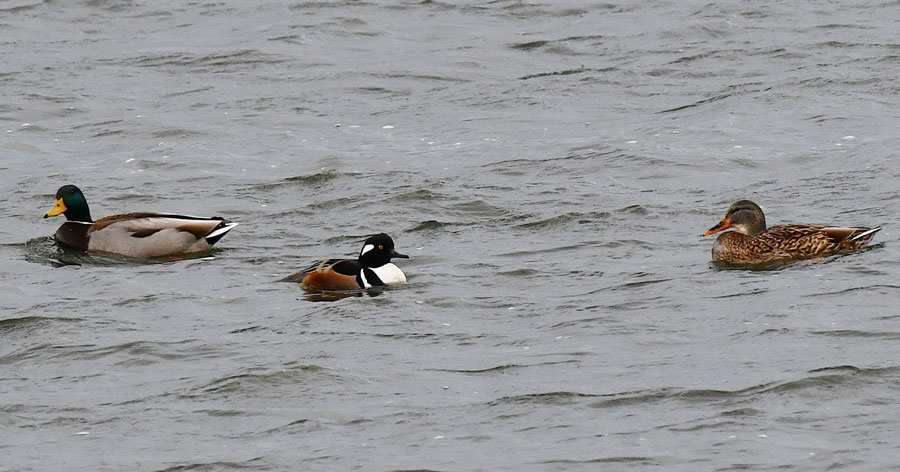
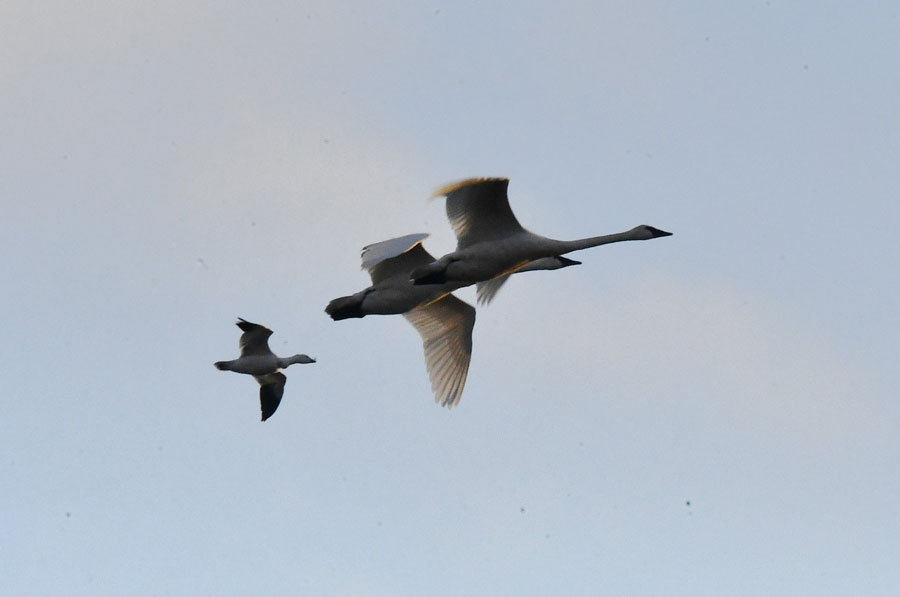
This week, I have seen a snow goose, a canvasback, hundreds of American robins at Ririe Reservoir, a western meadowlark, and a flock of hooded mergansers. Some of my trees are even budding out, encouraging some of my crocuses to start to emerge.
It is just plain weird.
So, I have started some of my early spring rituals. With the warm days heating up some of my sheds, I have started tumbling rocks already, but my most joyful activity has been watching the hooded mergansers catching crayfish and the males chasing each other. I have not seen any of the girls encouraging the males to chase them. If it stays warm enough, that may change.
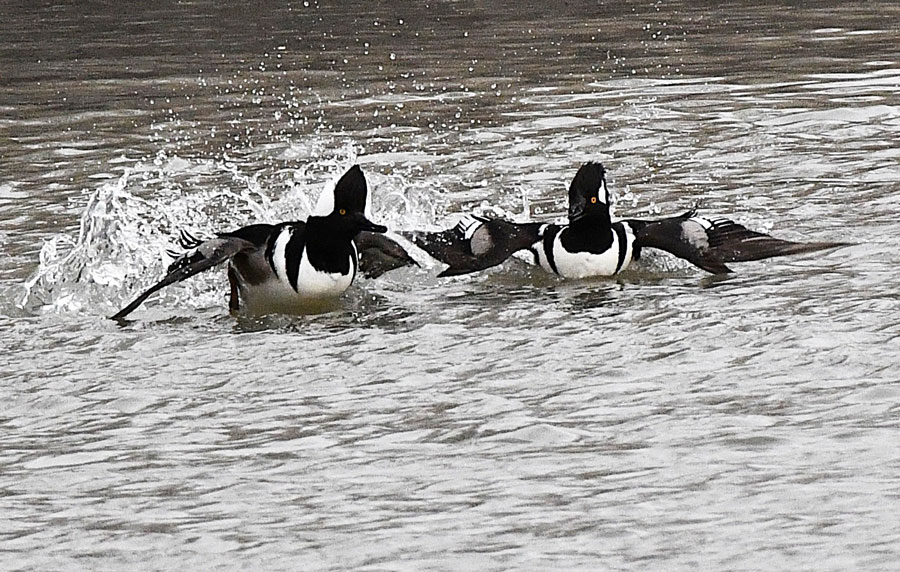
“While entering the Rexburg Christmas Bird Count data, I discovered that our counts for hooded mergansers (21) and common mergansers (42) were the highest reported for any bird count in Rexburg,” reported Ryan Gardner, the coordinator for the December 27, count.
With many of the streams and rivers still ice-free around Rexburg and St. Anthony, the mergansers have not been forced to move south. They are still able to make a living catching small fish and crayfish diving in the ice-free waters.
Last Wednesday, while fishing from the shore near the Juniper Boat Ramp on Ririe Reservoir, there was a flotilla of ducks, including about 20 hoodies, on the water.
In the last two weeks, I have photographed the hoodies gathering their favorite food, crayfish, on both the Teton River and the Henrys Fork of the Snake River. They will dive and come up with the crustacean, then will beat it on the surface, remove both pinchers and their legs, before swallowing the body.
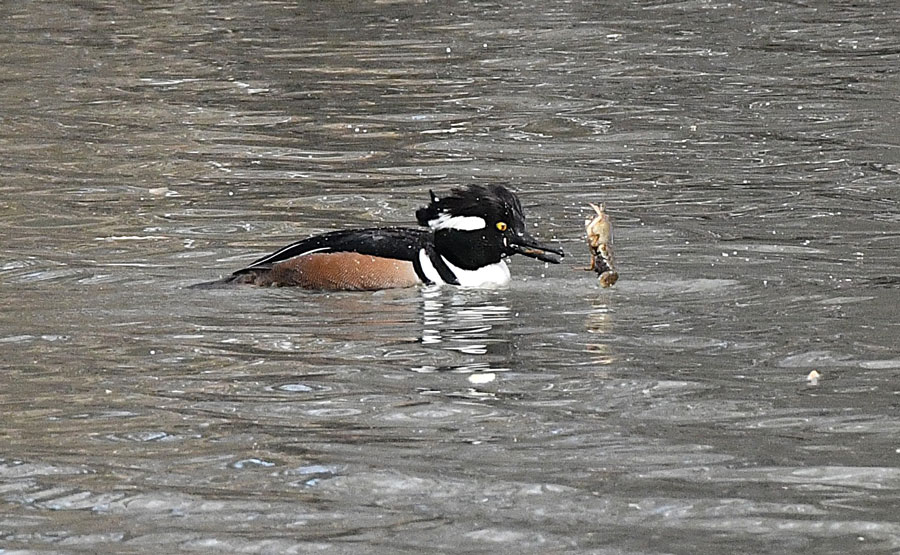
Oftentimes after a male has eaten a crayfish and is lucky enough to catch another one, they will offer it to a female. Oh, the dating rituals of wildlife trying to imitate humans!
Hoodies are equipped with a second clear eyelid called a “nictitating membrane” to protect their eyes while diving for food. They hunt by sight, and while searching for food, they move rocks where crayfish and small fish may be hiding. They also have a serrated bill to grab and hold their prey while they bring it to the surface. Each dive will last about 30 seconds, and they can work in water up to 20 feet deep, but preferably hunt shallower water.
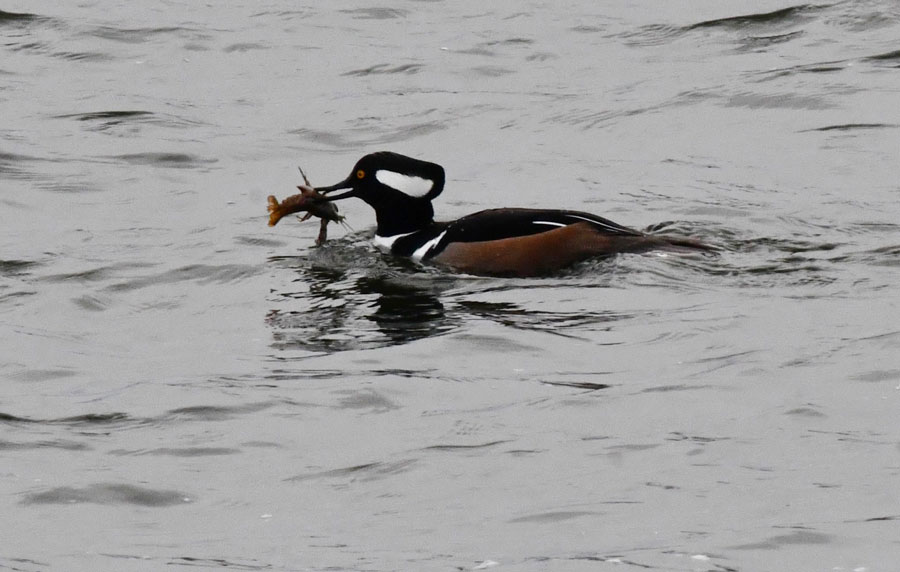
This winter I have seen up to four females with one male, but they usually pair up in January. Most ducks mature when they are one year old, but hoodies do not mature until they are two. The small flocks that we are seeing this winter may be groups of non-breeding ones.
While watching for these beautiful birds, don’t be surprised if you also run into some wood ducks, as they like to hang out together. Even though they don’t like the same food, they are both cavity nesters and look for nests in the same places. This winter, we have seen both species together. When you find them, you will be pleasantly surprised by their beauty.
We are still hoping and praying for some cold weather so we can do some ice fishing on Ririe. We love bare roads, but we need more snow and cold weather. Have a wonderful week.

Living the Wildlife is brought to you by Yellowstone Teton Territory. Experience 7,500 square miles of untamed wilderness in Eastern Idaho's Yellowstone Teton Territory. Where majestic peaks meet endless adventure, your perfect outdoor escape is waiting. Start planning at YellowstoneTeton.com.