



Why healthy plants begin underground
Published at | Updated at
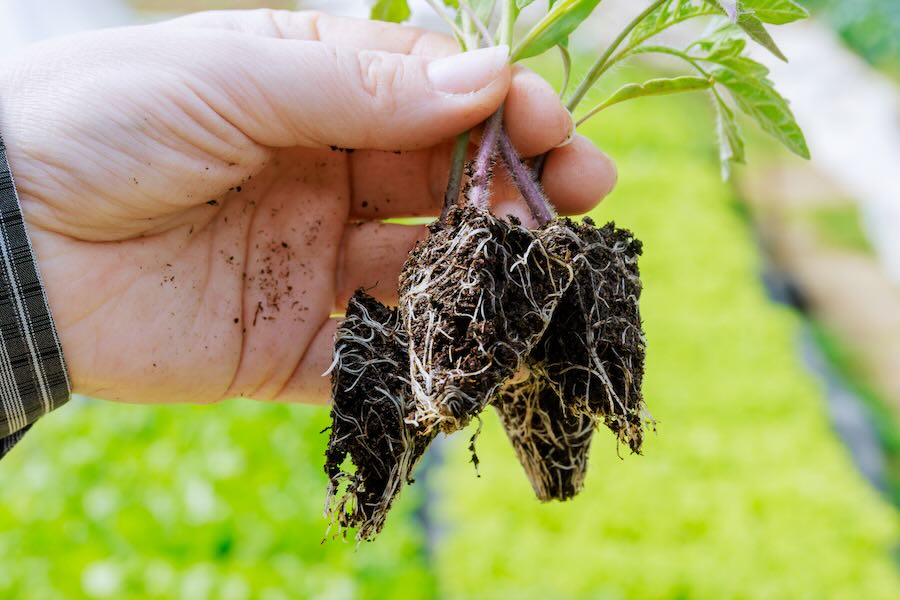
When we admire a lush tomato plant, colorful flowers or a productive squash vine, we only see half of the plant. Hidden beneath the soil, the root system is constantly supplying water, nutrients and energy that allow the plant to grow.
While many gardening problems are first discovered on the leaves and stems above ground, the underlying cause often begins in the soil long before those symptoms appear.
Roots do much more than anchor plants in the soil. Their primary job is to absorb water and nutrients needed for growth, but they also store carbohydrates that fuel future growth, produce hormones that influence leaves and shoots, and sense changes in soil moisture, nutrients and physical conditions.
Roots also form beneficial partnerships with bacteria and fungi that improve a plant’s ability to absorb water and nutrients.
Although roots are hidden beneath the soil, they are in constant communication with the rest of the plant. As the soil begins to dry, roots detect the change and send chemical signals to the leaves. These signals cause tiny pores called stomata to close, reducing water loss and helping the plant conserve moisture during periods of drought.
Plant roots are constantly exploring the soil in search of water, nutrients and oxygen. Many illustrations show roots growing directly beneath the stem, but in reality, they often spread much farther than the plant’s canopy.
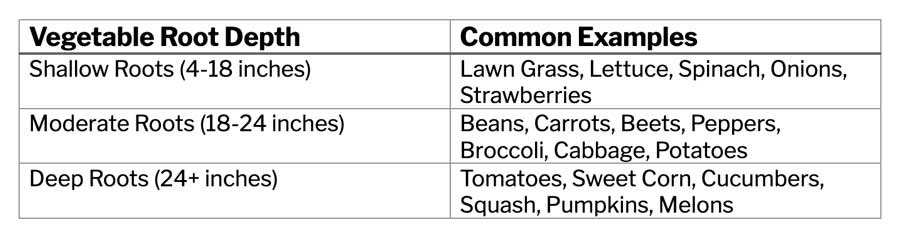
Root systems are often grouped by how deeply they typically grow. The depths shown below represent healthy plants growing under favorable conditions, but several factors can limit root development.
Soil texture, compaction, water availability, variety and soil temperature all influence how roots grow. Compacted soils make it difficult for roots to penetrate. Frequent shallow watering encourages roots to remain near the soil surface instead of exploring deeper layers. Cold or excessively hot soils can also slow root growth, while healthy soils rich in organic matter allow roots to spread more freely.
Fertilizer supplies nutrients mostly through the roots, not the leaves.
Fertilizer is placed in or on the soil so the root system can absorb nutrients and transport them throughout the plant. If the roots are unhealthy or unable to grow through the soil, the plant cannot efficiently use those nutrients, no matter how much fertilizer is applied.
Encouraging deep, healthy root systems is one of the best ways gardeners can improve plant health. Plants with larger root systems are generally better able to withstand drought, access nutrients and recover from environmental stress. Practices such as watering deeply but less frequently, avoiding soil compaction, and adding organic matter all encourage stronger root growth.
Healthy leaves, flowers and vegetables do not begin above ground; they begin below it. By caring for the soil and encouraging healthy root growth, gardeners create stronger plants that are better equipped to withstand drought, resist stress and produce abundant harvests throughout the growing season.