



It’s a scorcher! How to keep your garden thriving in triple-digit heat
Published at | Updated at

It’s a scorcher out there! As temperatures approach or exceed 100-degrees Fahrenheit, gardeners may notice plants wilting, slowing their growth, or dropping blossoms. While many plants can survive short periods of extreme heat, triple-digit temperatures place significant stress on the garden. Even experienced gardeners may find themselves struggling to keep their garden happy.
Heat takes a toll on flowers and fruit
One of the first signs of heat stress appears in flowering vegetables. Tomatoes, peppers, and beans may continue producing blossoms, but many of those flowers fail to develop into fruit when temperatures climb into the triple digits. Pollination also becomes less successful because pollinators are less active and pollen itself becomes less viable during extreme heat.
Gardeners may also notice sun scald on exposed fruits. Tomatoes, peppers, cucumbers, and melons can develop pale or blistered areas where intense sunlight strikes the fruit directly. After a hot, dry period, heavy irrigation can also lead to splitting fruit, while inconsistent watering may contribute to blossom-end rot.
The impact on vegetables
Warm-season crops such as tomatoes, peppers, squash, melons, and corn generally tolerate hot weather better than cool-season vegetables, provided they receive adequate water. Even these crops, however, may temporarily reduce fruit production until temperatures moderate. Cucumbers often develop a more bitter flavor during periods of intense heat.
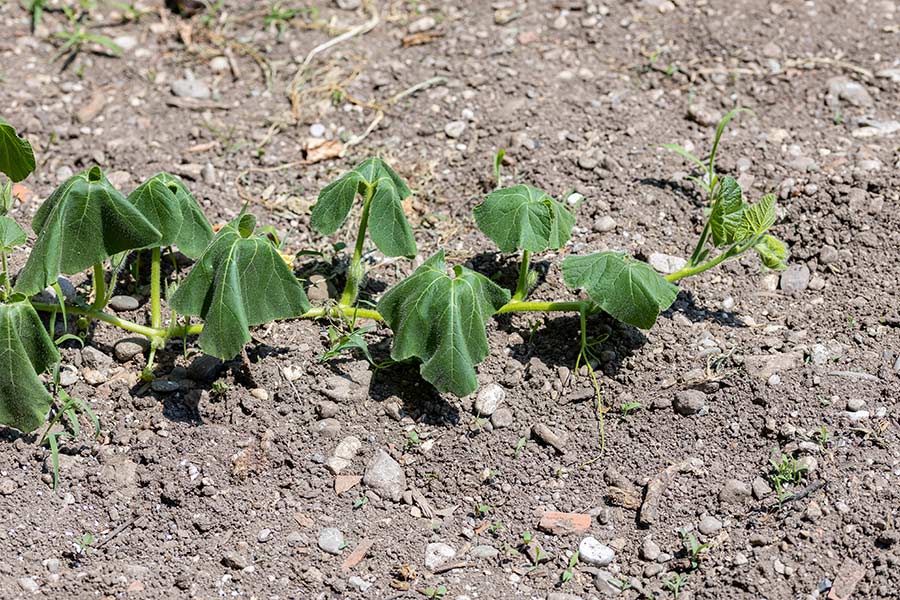
Cool-season crops struggle much more. Lettuce, spinach, peas, and broccoli may rapidly decline, bolt, or become bitter. Leaf rolling and afternoon wilting are common protective responses that help plants reduce water loss. When moisture becomes limited, leaf scorch may develop, leaving leaf margins brown and crispy.
Heat can also affect corn during pollination. If tasseling and silking occur during prolonged triple-digit temperatures, ears may develop missing kernels because both pollen viability and silk receptivity decline.
What’s happening beneath the soil surface?
Soil moisture will be lost rapidly, especially from bare soil. This means greater irrigation demand. Higher temperatures also increase transpiration, causing plants to lose moisture faster than their roots can replace it. Microbial activity near the soil surface may decline, potentially affecting nutrient cycling in the short run.
Insects and diseases during heat waves
Some pests thrive with heat. Spider mites often increase during hot, dry weather. More heat units also can accelerate insect life cycles, leading to more insect problems. I’ve already seen a significant uptick in earwigs and other foliage-feeding insects. On the bright side, there will be fewer fungal diseases when foliage stays dry. Monitoring remains essential. Heat-stressed plants become more vulnerable to pest damage.
Smart gardening practices during triple-digit heat
- Adjust irrigation by watering deeply and thoroughly. Avoid frequent shallow watering.
- Hold off on pruning, fertilizing, and transplanting.
- Provide temporary shade for sensitive vegetables and young plants.
- Consider the benefits of mulch. It moderates soil temperatures, conserves moisture, and reduces weed competition. It can also harbor more insect pests and reduce available nitrogen in some circumstances.
- Protect the gardener. Schedule work wisely. Garden during morning or evening hours. While we all enjoy fresh garden produce, the prudent gardener recognizes their personal limitations.
Temperatures near 100-degree Fahrenheit affect nearly every part of the landscape, from plant growth and pollination to soil moisture and insect activity. Fortunately, most established plants can survive short heat waves with proper care, and we don’t generally have prolonged periods of triple digit heat. In the meantime, grab some lemonade and find some shade!
This weather-related story is brought to you by Pony Express Car Wash, Idaho's premier express car wash destination, renowned for its commitment to exceptional service and quality. Voted the No. 1 car wash company in Idaho for five consecutive years, we pride ourselves on delivering an unparalleled experience for every vehicle and customer. Our state-of-the-art facility utilizes name-brand soaps and cutting-edge equipment to ensure your car receives the ultimate clean. Established in eastern Idaho in 2019, Pony Express is proud to be a locally owned and operated company that caters to the unique car washing needs of our Idaho Friends and neighbors. We invite you to experience the difference at Pony Express, where your satisfaction is our ultimate goal.