



Tiny pests, big trouble: Three cabbage caterpillars every Idaho gardener should know
Published at
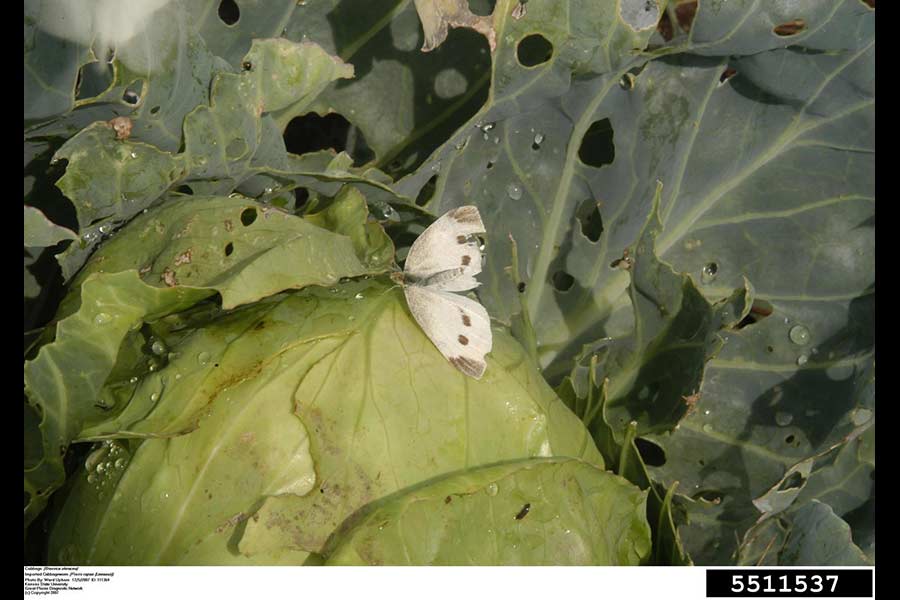
Idaho’s cool summers (Not the past few weeks, I know, but we still cool off at nights) are great for cole crops (cabbage, broccoli, kale, and other brassicas). They also suit three caterpillar pests that show up in almost every cabbage patch: the imported cabbageworm, the cabbage looper, and the diamondback moth.
All three are moth/butterfly larvae but they differ enough in biology that it helps to keep them apart.
Imported Cabbageworm
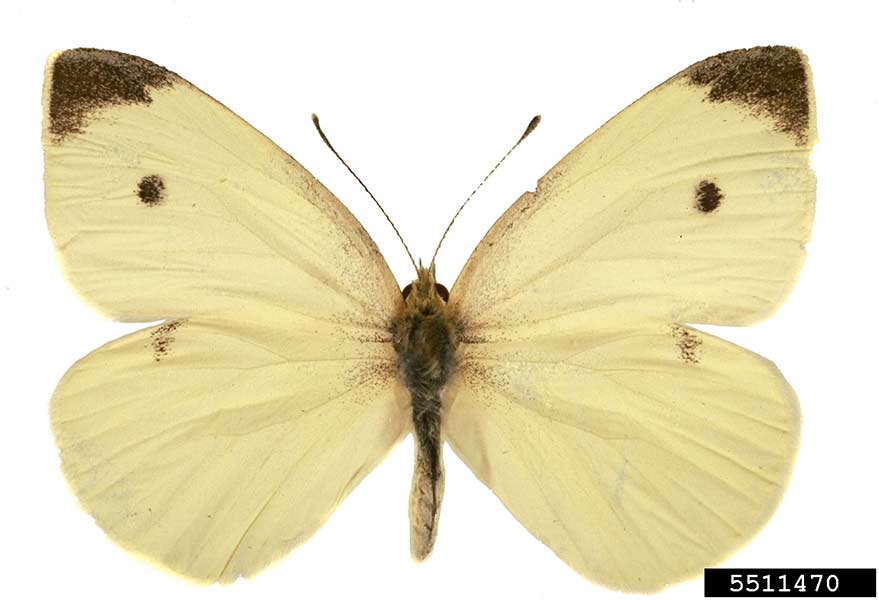
This is the larva of the small white butterfly, (cabbage white) you’ll see fluttering around your garden in daylight. Adults lay single, pale yellow, bullet-shaped eggs on the undersides of leaves, usually starting in late spring once temperatures warm up, with several overlapping generations through summer.
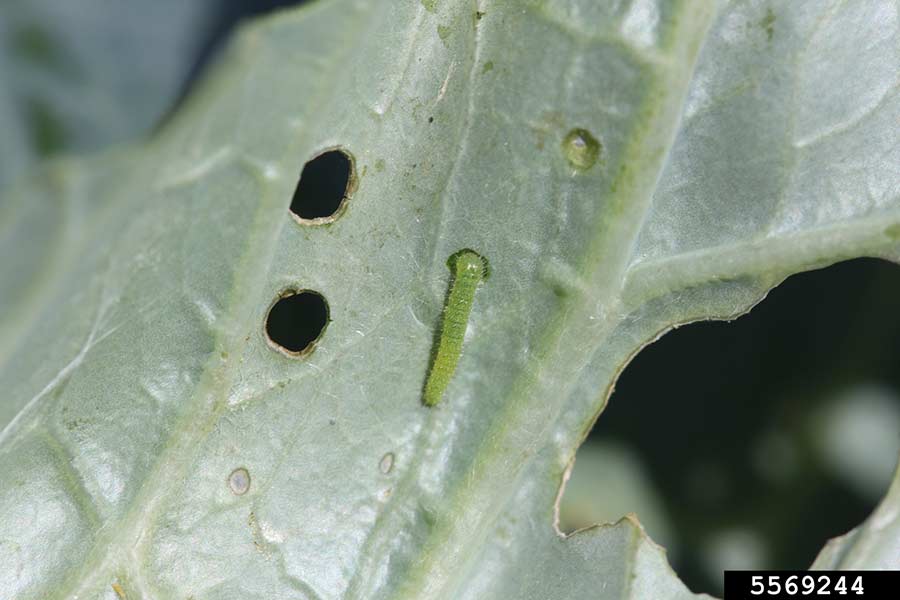
The velvety green caterpillars chew large, ragged holes in leaves and can bore into developing heads, leaving behind wet, greenish droppings.
Cabbage Looper
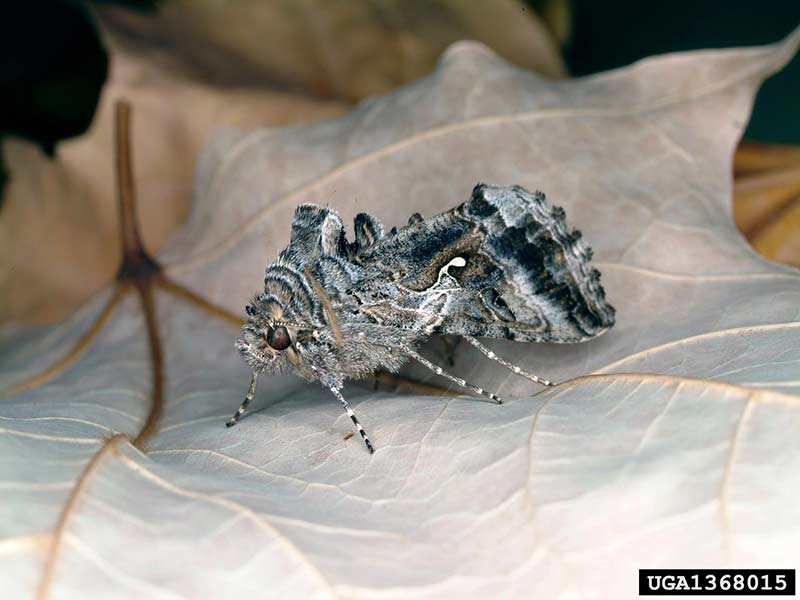
The cabbage looper is the larva of a brownish, night-flying moth. Eggs are laid either singly or in cluster on leaf undersides, typically a bit later in the season than cabbageworm eggs, with populations building through mid-to-late summer.
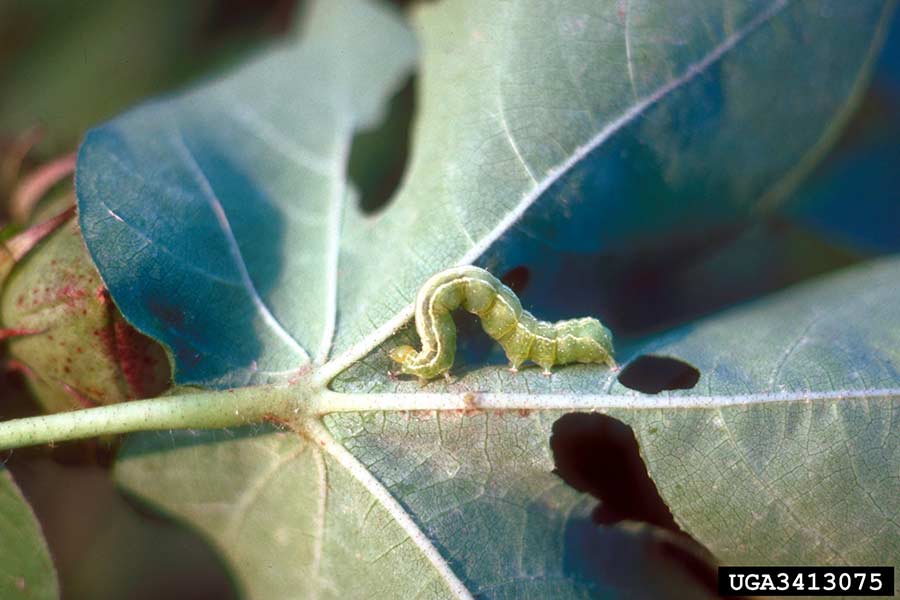
The caterpillar is pale green and moves with a distinctive “looping” or inchworm motion because it lacks middle prolegs. Loopers tend to feed on the underside of leaves and can be harder to spot than cabbageworms.
Diamondback Moth
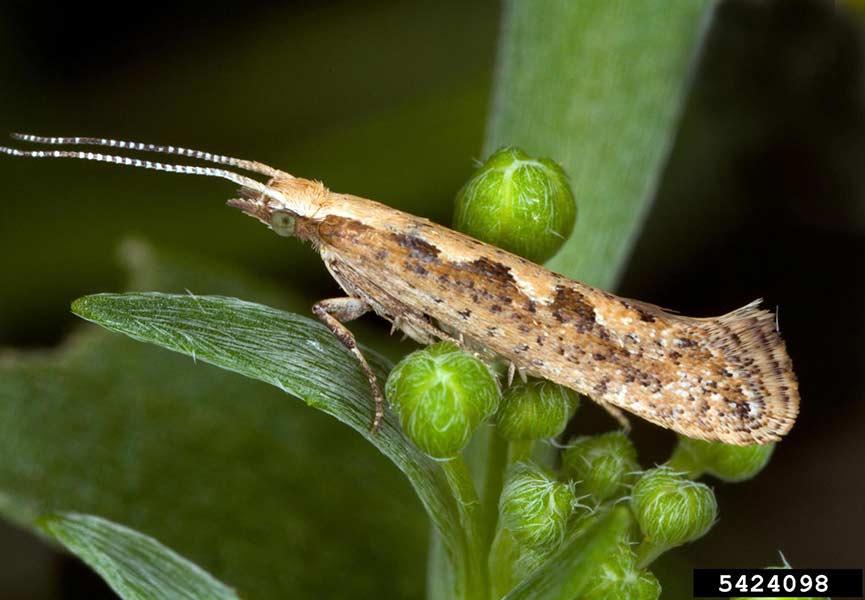
This is the smallest and often most damaging of the three, despite its size. The adult is a slender gray-brown moth with a pattern of light diamond shapes on its folded wings. They are active at dawn and dusk. Eggs are tiny, yellowish, and laid singly or in small clusters, often earlier in spring than the other two species, and diamondback moths can complete several generations in a single season—sometimes 4 or more in a warm year. The small green caterpillars create characteristic “window-pane” damage, chewing through one leaf surface but leaving the other intact, and they’re especially damaging to young transplants and developing heads.
General Control Approach
Because all three pests overlap in timing and host plants, monitoring and management often go hand in hand:
- Scouting: Regularly check the undersides of leaves for eggs and small larvae, since damage is easiest to prevent before caterpillars get large.
- Physical barriers: Floating row covers can exclude egg-laying adults, especially early in the season.
- Biological control: Natural predators and parasitic wasps help keep populations in check, especially when broad-spectrum insecticides are avoided.
- Cultural practices: Crop rotation, removing plant debris, and avoiding back-to-back brassica plantings can reduce carryover populations.
- Insecticides: Options range from selective biological products to broader-spectrum chemical controls, with timing and product choice affecting how well they work against each species.
For specific control products, including organic options, see our Pacific Northwest Handbook pages Diamondback moth, Cabbage Looper, Imported cabbageworm