



First farm labor reform bill in 40 years could be a game-changer for Idaho’s dairy industry
Published at
EDITOR’S NOTE: “From the Field” is a weekly feature bringing you the latest agriculture news in eastern Idaho.
IDAHO FALLS – As farmers deal with ongoing economic challenges, as well as water and labor shortages, a proposed piece of federal legislation aims to provide relief.
The Securing Agriculture’s Workforce Act (H.R. 9535) — sponsored by Rep. Glen Thompson, R-Pennsylvania, chairman of the House Agriculture Committee — proposes improvements to the accessibility and cost of agricultural labor through the H-2A visa program.
The H-2A visa program allows migrants to apply for a permanent green card for temporary seasonal work. Their approval is contingent on having a clean record and being able to pass a background check.
The bill recommends several administrative actions to address key concerns, including extending H-2A eligibility to year-round livestock, dairy, poultry and swine operations.
“This bill would modify the program to allow for a contract period to be up to 350 days, which helps our sectors that are non-seasonal,” including the dairy industry, food processors, seed producers and nursery growers, the American Farm Bureau’s Government affairs director John Walt Boatwright tells EastIdahoNews.com.
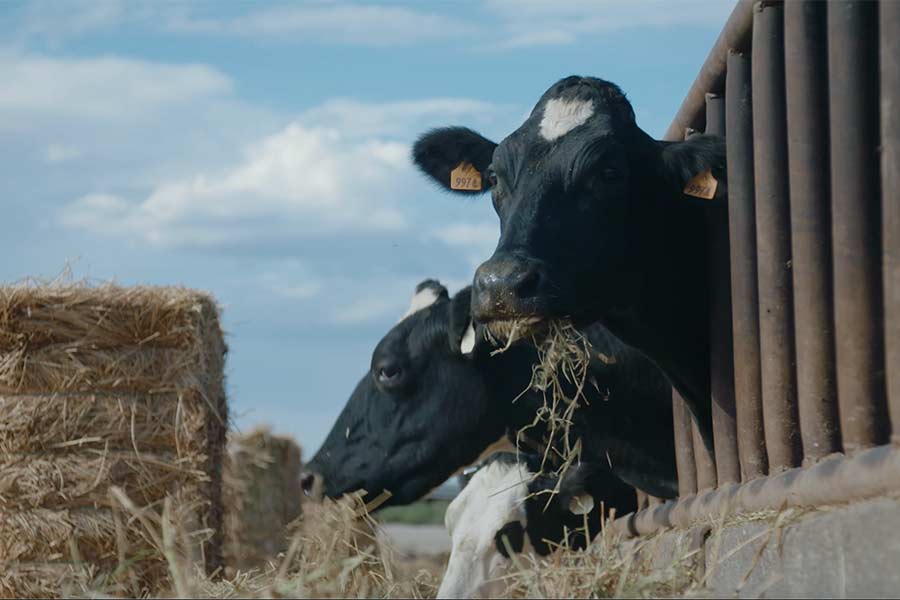
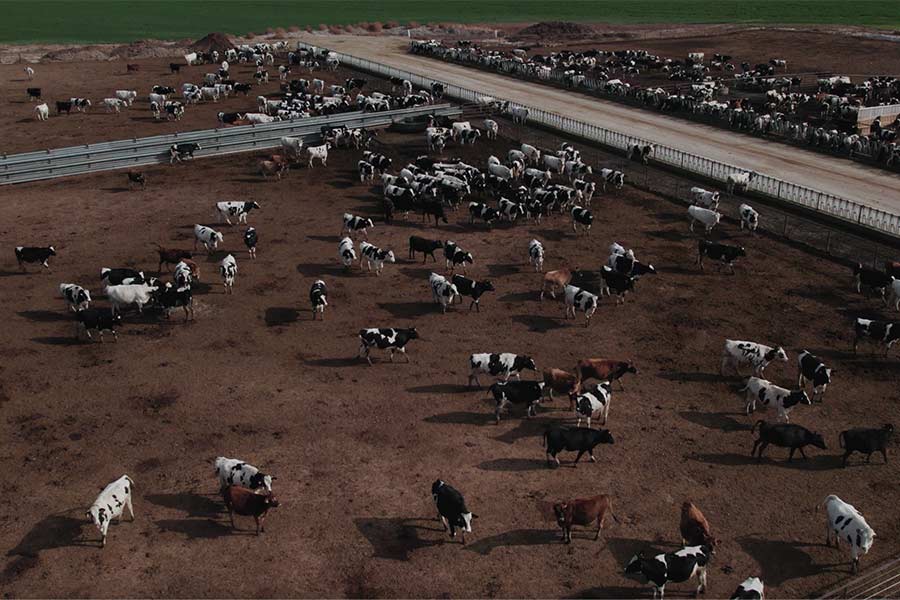
As Idaho’s No. 1 agricultural commodity by revenue, according to the Idaho Farm Bureau, the dairy industry is the strongest year-round ag employer. Cows have to be fed, milked, cared for and managed, regardless of the season.
Idaho Dairymen’s Association CEO Rick Naerebout says the industry has never had access to the H-2A Visa program, and H.R. 9535 would allow that for the first time.
“It would be a very big deal for the dairy industry and other year-round employers,” Naerebout says.
Other actions the bill recommends include an expansion of the filing window from 60 to 75 days, to 120 days before a worker’s start date and establishing an expedited processing track at the Department of State.
RELATED | As water crisis deepens, Idaho producers look to farm bill for relief
Naerebout notes that labor shortages have been an ongoing struggle nationwide for decades. Of the 415,000 agriculture jobs offered during the 2025 growing season, only 182 domestic workers applied.
“Despite barriers to using the H-2A temporary agricultural visa program, farmers are increasingly turning to the program to meet their labor needs. In fiscal year 2026, H-2A use is already up 17% in volume,” Boatwright writes in a recent Farm Bureau report.
‘The legislative fix we need’
The Securing Agriculture’s Workforce Act is the first farm labor reform legislation in four decades. The Immigration Reform and Control Act, created in 1986, established the current H-2A visa program.
Since 2019, Congress has been unsuccessful in passing the Farm Workforce Modernization Act. It’s been reintroduced several times since then, including last year.
During an Idaho Falls City Club meeting last fall, Idaho Farm Bureau Federation CEO Zak Miller expressed dissatisfaction with the legislation, saying it has significant costs and regulation requirements that make it challenging for farmers to retain workers.
H.R. 9535 — introduced in the U.S. House of Representatives on June 30 — is much more focused on the H-2A program than previous bills and modernizes the process for admitting workers.
In a news release last month, Rep. Mike Simpson, R-Idaho — who co-sponsored the bill — said the new legislation provides “the legislative fix we need … to bring lasting reform and certainty for our agricultural producers.”
“Ask any farmer or rancher, especially in the dairy industry, and they will tell you about the labor crisis they face. After years of working to build consensus to address this critical issue, I’m confident that the Securing Agriculture’s Workforce Act is the legislative fix we need,” Simpson said. “I’m grateful to Chairman Thompson for his leadership and look forward to finally getting this solution across the finish line to bring lasting reform and certainty for our agricultural producers.”
Simpson recently joined Thompson, other cosponsors, producers, and stakeholder groups at a press conference to discuss the Securing Agriculture’s Workforce Act. Watch it in the video above.
Sen. Mike Crapo, R-Idaho, also expressed support in a news release on Aug. 4. He joined a group of lawmakers in urging federal agencies responsible for administering the H-2A agricultural guest worker program to improve its effectiveness.
“Processing delays, regulatory imbalances and broader immigration challenges threaten this program’s effectiveness throughout the country – all at a time when our nation’s agricultural producers are facing significant economic hardship,” lawmakers wrote in a letter to federal agencies. “We cannot stress enough how important it is … to consider changes to the H-2A program to better support our nation’s agricultural industry – the men and women who feed and clothe us.”
The bill is in the early stages and isn’t expected to advance anytime soon.
Naerebout and Boatwright express appreciation to Simpson and Crapo for endorsing it. They hope to see it become law.
“Agriculture is still the backbone of our economy. Our communities don’t survive if we can’t figure out how to solve this problem,” Naerebout said during a presentation to The City Club of Idaho Falls last year.
AG AT-A-GLANCE
Teton Dam site could see new life as water storage study begins
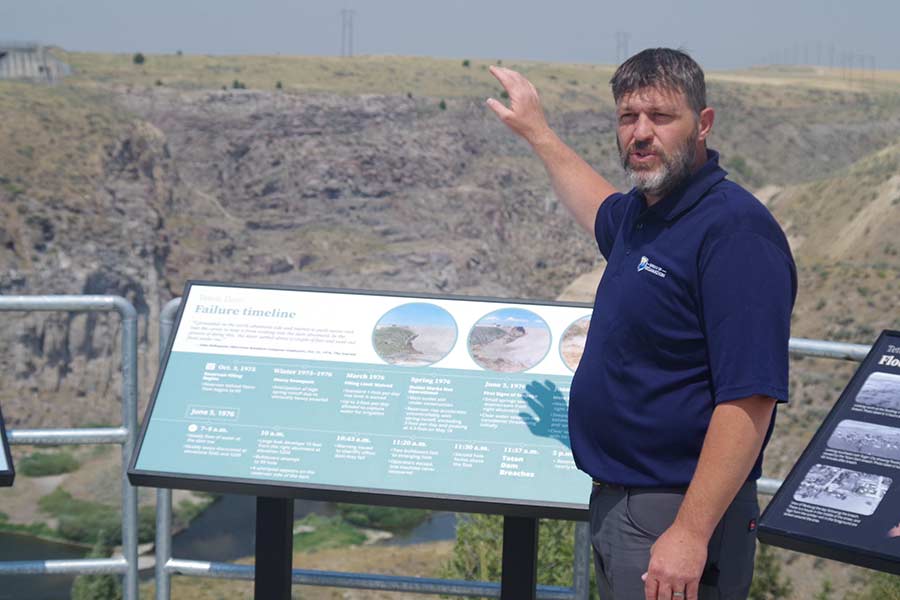
The following is an excerpt from a news release from the Idaho Water Resources Board.
BOISE – The Idaho Water Resource Board toured the Teton Dam site with Bureau of Reclamation officials last week to highlight an Upper Snake River Basin study that’s now getting underway to look at new surface water storage projects.
Rebuilding the Teton Dam, which failed 50 years ago on June 5, 1976, will be one of the options explored in the study, in addition to adding elevation to existing dams, such as Minidoka, or other alternatives.
RELATED | Remembering the Teton Dam’s contentious backstory 50 years after its collapse
Reclamation officials said it might be possible to rebuild the Teton Dam in the same location with a rockfill dam or concrete structure. Once the final options are identified in the Upper Snake River Basin study, congressional approval will be needed to finance the solutions, officials said.
RELATED | Local legislator asking you to sign petition in support of water storage projects in Idaho
Read the full study here.
Idaho growers can now calculate the ‘sweet spot’ for fertilizer — and boost their bottom line
MOSCOW, Idaho – University of Idaho and the U.S. Department of Agriculture researchers have developed a free online calculator to help Idaho barley and sugar beet growers determine how much nitrogen fertilizer to apply for the greatest profit.
The researchers plan to expand the tool in the future to provide customized nitrogen recommendations for additional Idaho crops. Using data collected during the project, the team has also updated Idaho’s nitrogen application guidelines for malt barley.
The calculator and updated guidelines are available online.
If you have a From the Field story idea, send it to rett@eastidahonews.com. Remember to use ‘From the Field’ in the subject line.
IN CASE YOU MISSED IT…
- Don’t put away the garden gloves yet — you can still plant in Idaho
- Rigby seed company launches Self-Reliance Gardening retail system to help families grow their own food
- ‘It’s a one, two punch’: Smoke and drought are hitting Idaho farmers hard
- More than 3,200 pounds of pastrami, corned beef recalled over Listeria risk