



Rabid bat found in Custer County; disease fatal if not treated immediately
Published at | Updated at
The following is a news release from Eastern Idaho Public Health on Wednesday.
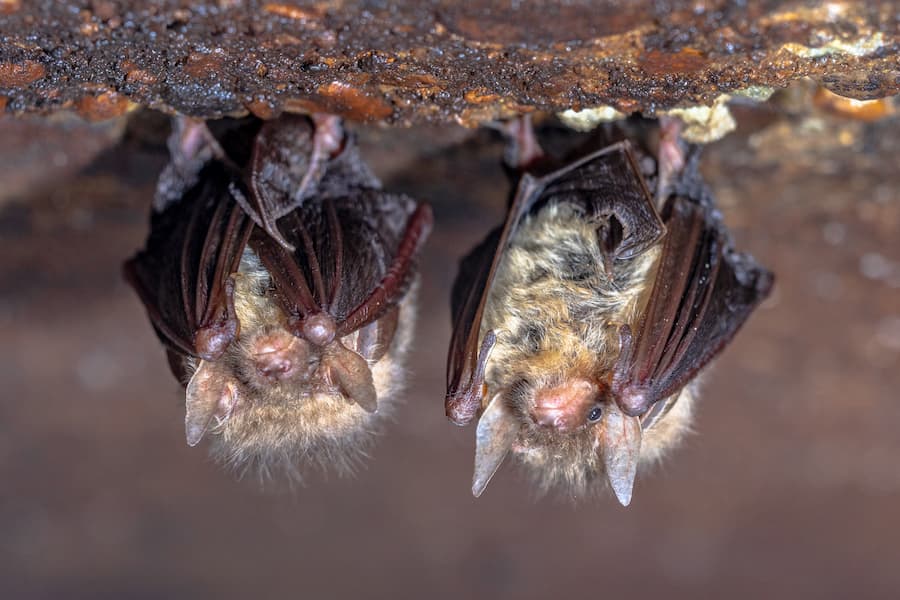
MACKAY – Eastern Idaho Public Health has received laboratory confirmation of a rabid bat found in Mackay, Idaho. Bats carrying rabies have been detected across Idaho, and eastern Idaho sees at least one rabid bat every season.
While most bats are harmless and do not carry rabies, they are the only animal in Idaho that is a natural reservoir for the virus. Rabies is a fatal viral illness in humans and other animals. Household pets and other animals can be exposed to the virus by playing with sick bats that can no longer fly normally. This is why it is important to ensure that household pets are vaccinated against rabies.
Jordan Adam, Epidemiologist at Eastern Idaho Public Health (EIPH), states, “Bat bites or scratches can be very hard to see; they may not cause pain or leave blood. If you know or suspect that you came into contact with a bat, call your health care provider immediately. Rabies is fatal once symptoms start, but the vaccines are nearly 100% effective in preventing rabies infection.”
RELATED | See a bat in or around your home? Don’t panic — here’s what you need to know
To protect yourself and your pets, EIPH offers the following tips:
- Do not touch a bat with your bare hands. If you have had contact with a bat or wake up to find a bat in your room, seek medical advice immediately. The teeth of a bat are very small, and people are sometimes bitten in their sleep without feeling it. Any bat found in a home should be tested for rabies if there is any suspicion that an exposure to a person or pet might have occurred.
- Parents should teach their children to avoid bats, never bring them to school for show-and-tell, and to let an adult know if they find one.
- If you or your pet has had contact or may have had contact with a bat, save it in a non-breakable container if it is alive, or sealed and double-bagged in clear plastic bags. Only do this while wearing thick gloves. Call EIPH at (208) 533-3152 to determine whether testing the bat for rabies is indicated. If it is determined that you or your pet may be at risk of exposure to rabies, testing the bat is a free service.
- Rabies is deadly for pets, too. Always vaccinate your dogs, cats, ferrets, and horses—even indoor pets could be exposed to rabies if a bat gets into a home.
- Bat-proof your home or cabin by plugging all holes in the siding and maintaining tight-fitting screens on windows. For information about bat proofing your home, visit: https://www.cdc.gov/rabies/bats/management/index.html.