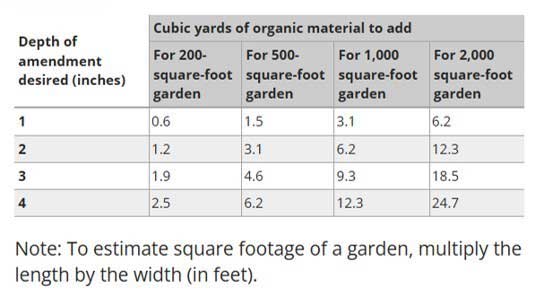
Fall is the best time to add organic matter to your garden. Here’s why
Published at | Updated at
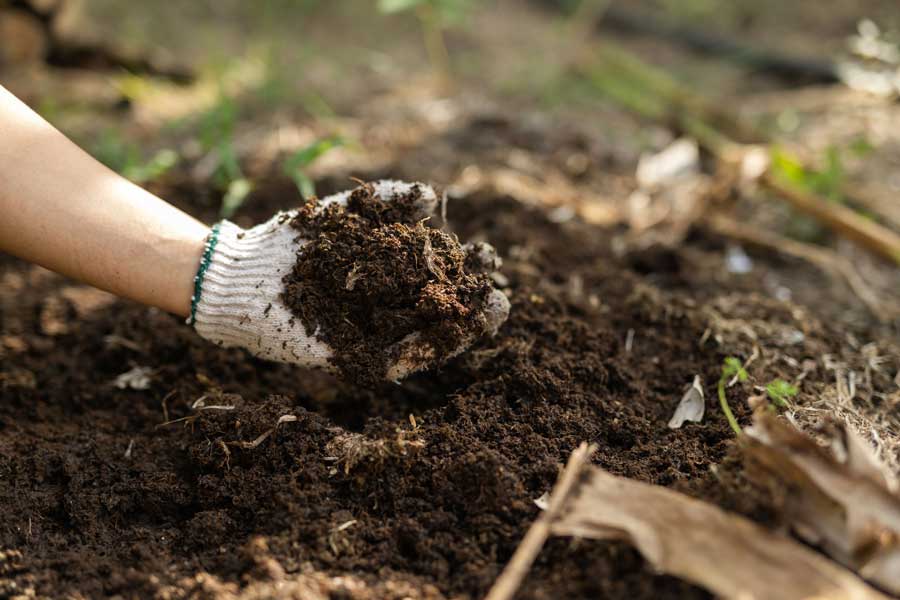
The shortest garden guide that could ever be written would consist of two words: organic matter.
This does not refer to the relatively new connotation the term organic has come to symbolize. I refer instead to the traditional definition in soil science: Organic matter is anything that comes from a living plant or animal.
At the molecular level, its base building block is carbon. Leaves, grass clippings, manure, compost, straw, wood shavings: all are organic matter. Adding it to your garden will make it more productive for years to come. Is your soil sandy? Add organic matter. Do you have clay soil? Add organic matter. Is it hard? Does it drain slowly? High pH (probably yes for us)? Tomatoes get blossom end rot? Add organic matter.
Many problems with home vegetable gardens, fruit trees, shrubs and flower gardens are not caused by pests, diseases or a lack of nutrients; they’re the result of poor soil physical conditions.
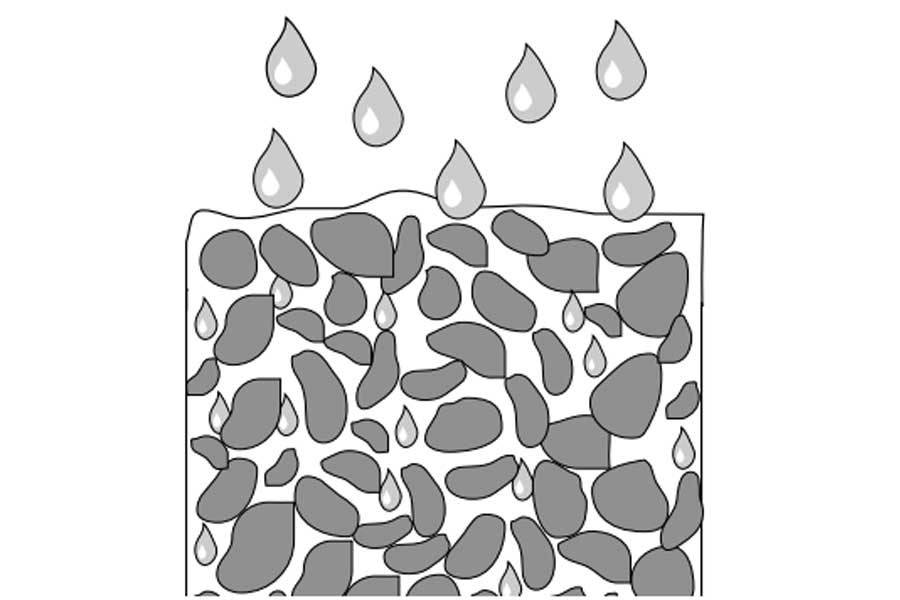
A productive soil provides physical support, water, air and nutrients to plants. In good soil, between 40% and 60% of the soil volume is pores. The pores may be filled with water or air, making both available to plants. Clay soils are commonly deficient in pore space; sandy soils are often nutrient-poor and lack water-holding capacity. Amending the soil with organic matter benefits both textures.
Carbon from organic matter is the base commodity in the soil ecosystem. Microbes that break down mineral soil (derived from inorganic rock) feed on carbon. As these microbes live and die, minerals and nutrients are released back into the soil and become available to plants.
Other microbes that also utilize carbon form cooperative associations with roots. Plants provide energy to the microbes in exchange for nutrients that the plant needs. Your soil improves with every addition of organic matter. You are building up a reservoir of slow-release nutrients that will increase your garden’s productivity over time.
While all organic matter is beneficial in the long run, not all forms are equal. Sources like wood shavings and straw are nitrogen-poor.
- Microbes will rob the soil of available nitrogen to break these down, and plants will suffer in the short run.
- The addition of commercial nitrogen fertilizer can speed up breakdown and limit short-term effects.
- Livestock and poultry manure (and compost derived from these) are often high in soluble salts. These can eventually break down or leach from the soil, but too much at once can cause short-term damage.
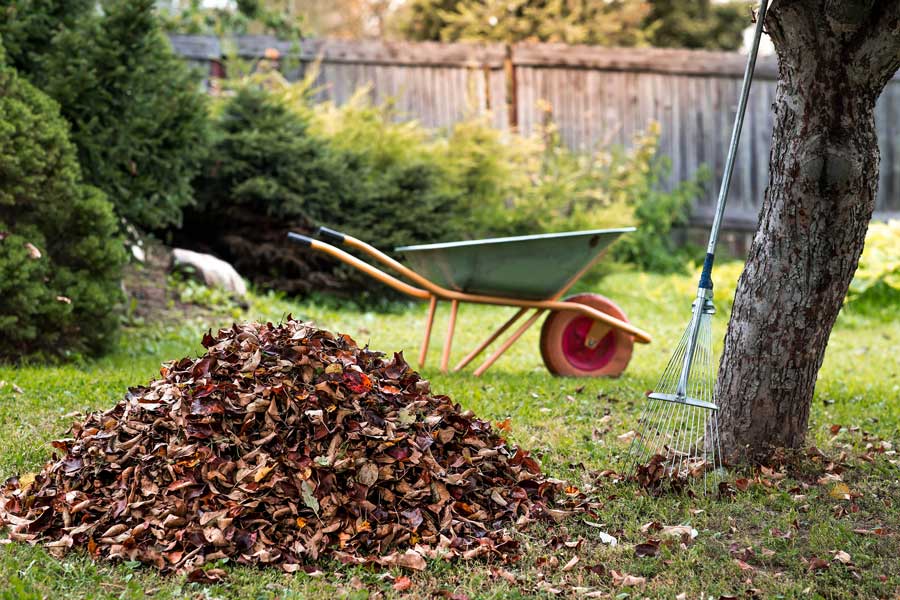
A single addition of organic matter to soil will not fix all soil quality issues. Over time, the organic matter content of the soil will decline through decomposition, soil microorganism feeding and nutrient cycling. To maintain the soil’s organic matter content, routinely incorporate additional organic matter or mulch.
Fall is the best time for these additions. This gives soil microbes time to start their work and allows for salts and excess nutrients to be broken down or leached from the soil. Your garden next year will feed you better if you feed your garden soil now.