



Lindsay Clancy’s motion to investigate holdout juror in mistrial is denied
Published at
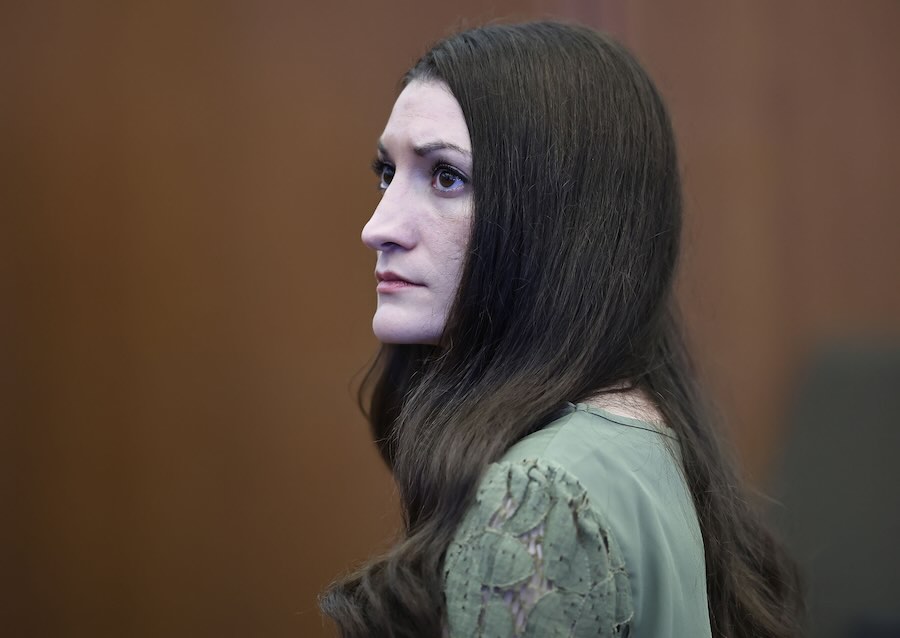
PLYMOUTH, Mass. (Courtroom Insider) — A Massachusetts judge has denied Lindsey Clancy’s request for an evidentiary hearing to investigate the lone juror who refused to find her not guilty of murdering her three children due to a lack of criminal responsibility.
Judge William F. Sullivan issued a written ruling on Wednesday, stating that because her defense team did not raise its concerns about the juror until after the mistrial was declared, those concerns cannot be taken into account.
“Potential evidence of good cause to dismiss a deliberating juror that came to light only after a mistrial was declared simply is not relevant to whether there was a manifest necessity for a mistrial,” Sullivan’s ruling reads.
Prior to her trial, Lindsay Clancy admitted to killing her three young children — Cora, 5; Dawson, 3; and Callan, 18 months — but says she did so while suffering from severe postpartum depression and psychosis. During trial, defense attorney Kevin Reddington argued that due to the severity of Clancy’s mental illness, she could not be held criminally responsible for strangling the children.
The jury deliberated for eight days before the mistrial was declared on Sept. 4. Some jurors later said 11 of the 12 of them had determined Clancy was not guilty by lack of criminal responsibility, but the last juror could not be convinced to join them in the decision.
RELATED | Judge declares mistrial in Lindsay Clancy case after jurors can’t reach a verdict
In an effort to have the case dismissed completely, Clancy’s defense team filed a motion requesting an evidentiary hearing and an investigation into the holdout juror, later identified as Michael Desronvil. The motion alleged Desronvil’s supposed use of a cellphone during deliberations may have exposed him to “extraneous evidence,” and that he may have lied on his juror questionnaire.
“Prior to the declaration of a mistrial, defense counsel raised no suggestion that Juror Doe had been exposed to extraneous evidence or improperly used a cellphone during deliberations,” Sullivan’s ruling goes on to say. “Because post-trial information cannot be used to attack the determination that a mistrial was manifestly necessary, Clancy is not entitled to an evidentiary hearing on that issue.”
“Allowing post-trial juror accounts to affect the analysis ‘would create endless confusion and controversy’ in cases where a mistrial has already been declared due to deadlock,” the judge added.
Clancy’s case is now in the pretrial phase to undergo a retrial. Her next hearing is scheduled for Nov. 2, where her attorneys are expected to argue a motion to dismiss the case.