



Pocatello moving forward with proposed ban on kratom
Published at
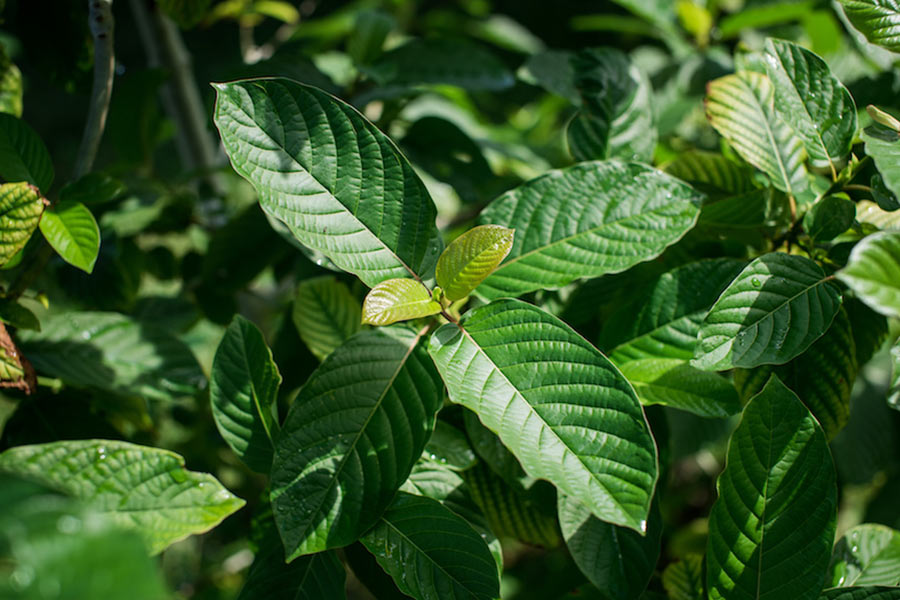
POCATELLO — Pocatello City Council members have directed city staff to move forward with a proposed ban on the commercial sale of a substance that opponents say is dangerous, addictive, ripe for abuse and increasingly popular.
At Thursday’s council meeting, members voted unanimously to direct staff to proceed with a proposed ordinance prohibiting commercial sales of kratom products. Under this ordinance, people who want to purchase kratom products could still do so online but would not be able to buy them over-the-counter at stores within city limits.
After Thursday’s vote, an ordinance banning kratom products will be proposed at a future city council meeting, where the council will vote on whether to approve it.
Preceding the vote, the council held a public hearing at which eight people spoke in favor of a ban and two against it. The first person to speak in favor was Tia Rustici, who lost her daughter, Kielee Rustici, to a kratom overdose.
“Since that day, we have carried her pain, and (in the) last year-and-a-half, I have received letters from parents, brothers and sisters, stories that are incredible, of addiction and people who have lost children from kratom,” Rustici said.

In her obituary, Kielee is described as, “a beloved daughter, sister, niece, and granddaughter known for her passion for animals, politics and music.” Kielee was 23-years-old when she died on March 2, 2025.
“Her death certificate says acute mitragynine intoxication. They did a full death investigation on her, including an autopsy and a toxicology report. And mitragynine intoxication, which is kratom, was determined to be the factor of death,” Rustici said.
While Rustici said that she is not an expert on the subject, “I do encourage you to listen to your Idaho experts.”
One of those experts was Dr. Ryan Hope, M.D., a pain management and addiction specialist at Bingham Memorial Hospital. He explained why he thought the ban should go through.
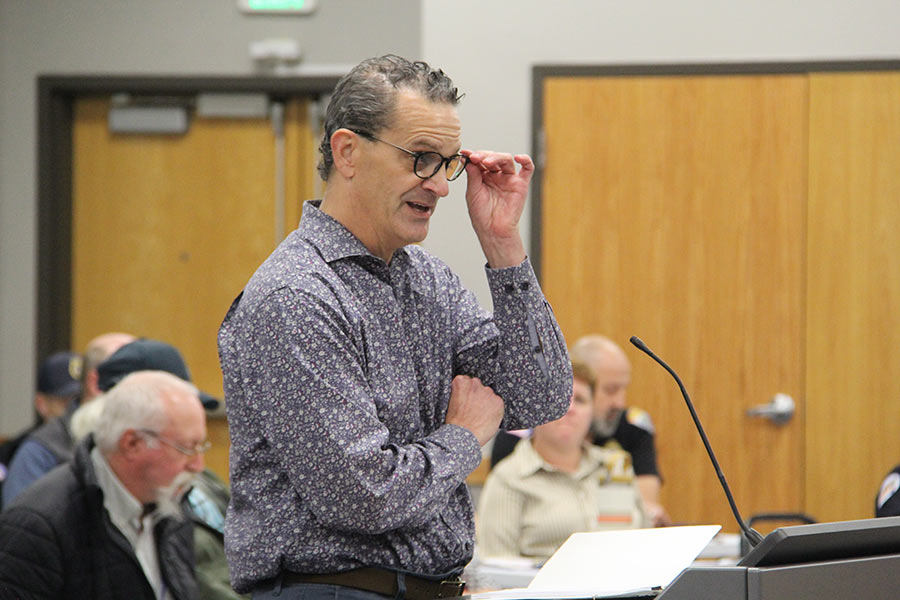
“(Half) of my addiction clinic is opiate addicts, and I’m talking like prescription opiates, fentanyl, heroin. In the last year or so, (a quarter) of those are addicted to kratom. It’s a very significant problem, and we don’t even have an official diagnosis for kratom use disorder. It’s too new,” Hope said.
The way Hope explained it, kratom is an opioid, and when people come in to receive addiction treatment, they receive the same treatment.
“(Those who) become addicted, they are devastated, and I see them every day. I’ve seen people lose their jobs, families ruined, finances ruined,” Hope said.
One out of the two people who spoke in opposition to the ban was Pat Solier, who was representing Idaho-based kratom and supplement business Animal Farm. He argued that there’s a distinction between natural and synthetic kratom, saying that the latter absolutely should be banned.
“There’s been a lot of confusion around natural kratom, in particular since the emergence of these synthetic products that wanted quick market entry, so they labeled all their products as kratom,” Solier said.
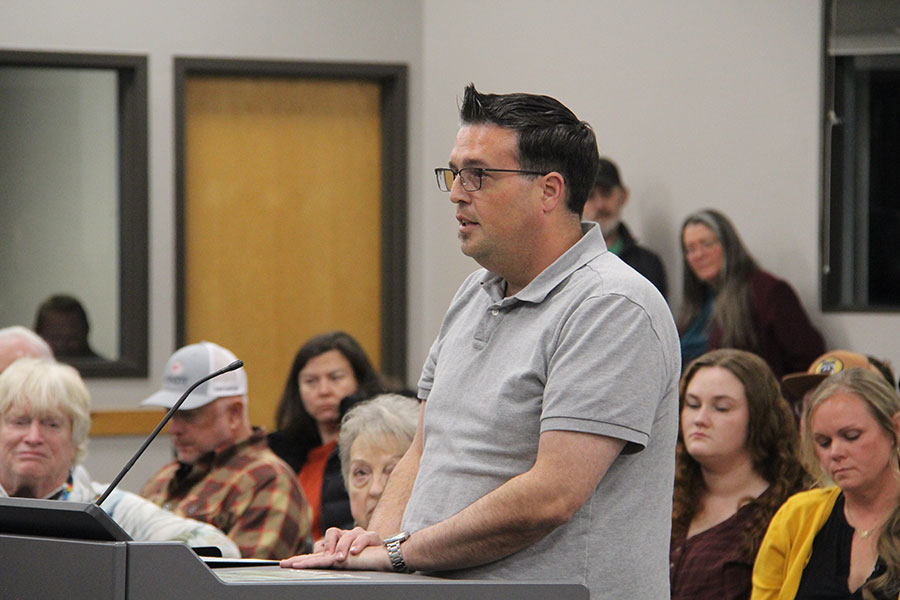
He argued that the federal and state governments would be addressing the issue soon, and that the city’s best course of action was to pursue a ban on synthetic products.
“There is not anybody here advocating to keep the synthetic products on the market, that I’m aware of. We think that Pocatello’s best option is to go with either banning the synthetics and regulating the sale of kratom, or banning synthetics and letting the state do their job here in this upcoming session,” Solier said.
But according to her loved ones, synthetic kratom products are not what killed Kielee.
“My niece died from natural kratom. She thought kratom was the safer option over prescription pain medicine. She had no idea of the risks,” Danae Jones, of Pocatello, said during the public hearing.
Jones was interviewed by EastIdahoNews.com and argued that not only do people think they’re buying a product that’s safe, but they may not even realize they’re buying kratom at all.
“If they’re buying at the gas station, they see these little energy shots, and it says natural, and they don’t know what kratom is,” Jones said.
And the way Jones explained it, the reason pursuing a total kratom ban is so important is because it eliminates the possibility for companies to find loopholes and continue selling kratom products.
“They will continuously come up with some new product as long as that plant is legal,” Jones said.
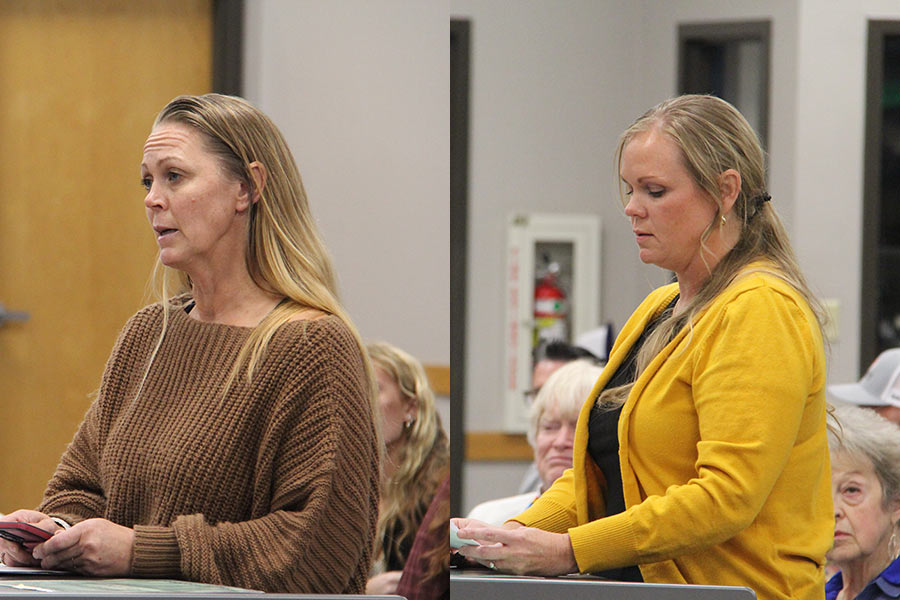
Jones said at the time of Kielee’s death, she believed that kratom was helping her. In her testimony, Rustici acknowledged that it did help at first, before it eventually became an addiction.
Jones told EastIdahoNews.com that she believes if Kielee were here today, she would be angry that she was misled about kratom.
“That’s the scary thing … she truly believed it was helping her. She believed in the product, but that’s what ended up killing her,” Jones said.
And in his testimony, Hope acknowledged that while kratom isn’t approved by the FDA for any medical use, it can help people in some cases.
“I have no doubt that there are some patients that benefit from the use of kratom. I have no doubt,” Hope said.
But Hope also pointed out that there are legitimate uses for fentanyl and amphetamines in anesthesia and psychiatry.
“But we don’t sell them at gas stations,” Hope said.