



How the University of Idaho is helping make second chances count for former prisoners
Published at
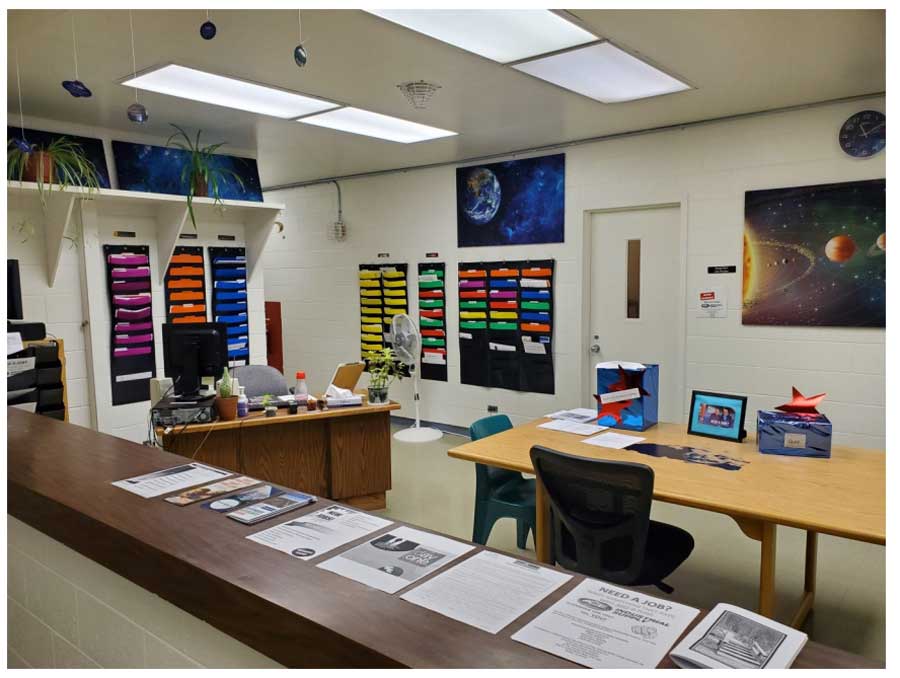
IDAHO FALLS (Courtroom Insider) — Idaho has the fifth-highest incarceration rate in the country, according to data from the Sentencing Project, with approximately 490 incarcerated individuals per 100,000 residents.
With so many people passing through the criminal justice system, a group from the University of Idaho believes it’s important to take a look at the lives of these incarcerated individuals after they’ve served their sentence and are trying to reenter society.
Each semester, the university’s Prison Education Initiative, or PEI, organizes a reentry simulation designed to give inmates nearing their release date a better understanding of the difficulties they could face as they try to make a fresh start. This year’s event took place on Oct. 22.
‘It’s all different’
“A lot of these guys have been in for so long that it’s all different, and it’s pretty scary for them,” explained Kent Shriver, deputy warden for the Idaho Correctional Institution-Orofino. “It’s now this wide-open world. I mean, they don’t even know how to use a cellphone.”
Due to his job, Shriver has intimate knowledge of what reentry looks like. Some of the problems are obvious, he told Courtroom Insider, like finding a job, housing and positive support networks. For some individuals who have been incarcerated for a long time, though, adapting to a world that has changed without them can be intimidating.
Joey Chavez, a formerly incarcerated individual who participated in the PEI, is now a full-time student at the University of Idaho. He served 11 years and 10 months in medium-security prisons across Idaho, with two years of that sentence spent in Texas due to overcrowding issues in the Idaho prison system.
Chavez’s incarceration ended on Oct. 16, 2023. He said one of the greatest difficulties he faced was one most of us would probably never even think of — getting used to checking his email.
“Checking my email was something I know that sounds so minute, but that is something that became a huge problem when I first got out,” Chavez said.
He went on to explain that after leaving incarceration, just missing an email could threaten his access to things like government assistance, which helps many individuals to find their footing.
Organizers and volunteers at October event also spoke about how just getting basic identification — like a state ID, Social Security card or a birth certificate — can be an immediate roadblock for many who don’t have those items at the time of their release. Without these items, though, one can’t find employment or apply for other forms of support.
Shriver said if if reentry programs fail to address both the obvious problems and less obvious problems, former inmates have a greater chance of returning to some of the same activities that led to their incarceration in the first place.
As a condition of his release, Chavez wasn’t allowed to go to the county where he was originally incarcerated. Chavez said he had to go somewhere new, which is how and found that Lewiston and Coeur d’Alene had better options for him.
However, in either city, Chavez was far from family or other support.
“I had nobody there, far away from my family,” Chavez said. “My family did support me while I was incarcerated; but yeah, having to get out and get a car, get a job, all of that to deal with was a mess.”
‘These guys can make a change’
Incarcerated individuals who take classes through and volunteer with the PEI were present at the October event, which was hosted on campus at the University of Idaho. After the reentry simulation, event participants were able to ask about their experiences. Several of them reiterated what Shriver and Chavez had said.
Without support and options to better themselves, one volunteer said many incarcerated individuals end up finding comfort in their old behaviors, such as addiction.
“If we can’t get them hired at a decent wage — or a livable wage, where they can actually pay to live — it gets really hard for them,” Shriver said. “They get down about themselves and have a lot of self-doubt because they can’t get a job or whatnot.”
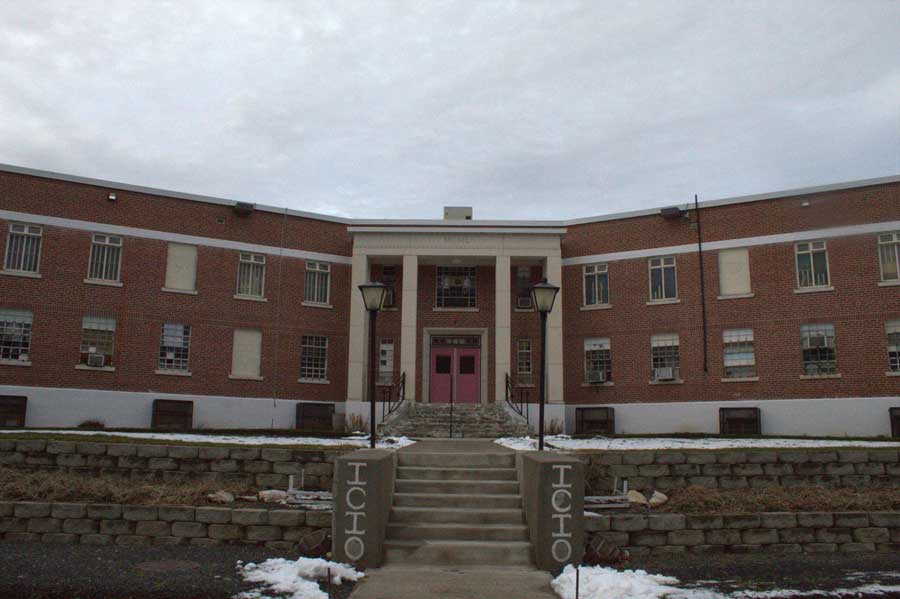
Chavez said he was fortunate to be incarcerated at Idaho Correctional Institution-Orofino, which is relatively close to both Lewiston and Coeur d’Alene, allowing him to meet his reentry specialist in person. Chavez’s reentry specialist helped him find work, housing and other assistance for the first few months after his release.
Shriver said in addition to probation and parole officers, prison staff at the institution in Orofino make an active effort to help individuals leaving incarceration find work and housing.
“What we try to do is try to get employers on board with this, knowing that these guys can make a change; it can be different,” he said.
Chavez said he was able to meet with his reentry specialist a few months before his release. Together, they found housing, food assistance and employment for Chavez.
Chavez was released Oct. 16, 2023, and said he had his first job interview two weeks later, Nov. 1, 2023.
“It was a working interview, which, you know, being incarcerated for so long, I’d never heard of a working interview,” Chavez said. “And I got it, got the job; and my bosses like me, so I’ve been very blessed in that area and I’ve maintained that job to this day.”
Chavez did say, however, that it was hard to ask for help and be vulnerable, and being vulnerable about his criminal history is something he hasn’t quite gotten used to.
“It’s hard, and it’s tough, and it never gets routine, you know,” Chavez said. “Because you’re talking about crimes, and you’re talking about victims. But those are thing things that you have to do – you have to be able to articulate that.”
‘Cells don’t ask questions; they just help’
Chavez, who is double majoring in exercise physiology and criminology, said he likes to think of reentry programs like muscles in the body during a workout.
“When you’re working out, the blood needs to carry oxygen to the working muscles, so they slow down the blood flow to things that are in rest, like digestion,” Chavez said. “But for the overall benefit, you’re healthier.”
“These people that are getting out, they need oxygen. They need resources, you know?” Chavez continued. “It might seem like, ‘Well, why should we give them resources for something that they earned (a conviction)?’ But cells don’t ask those questions; they just help.”
Chavez went on to say that when you give people the resources they need to succeed, it makes for a better, healthier community for everyone.
“It’s gonna build stronger bonds in the community because people put faces and personalities to people. And it’s not so much what you did, but: OK, what are we doing now? And how can we make the community better in the future?” he said.