


Allergic reactions can be serious. How to know when to go to the ER
Published at | Updated at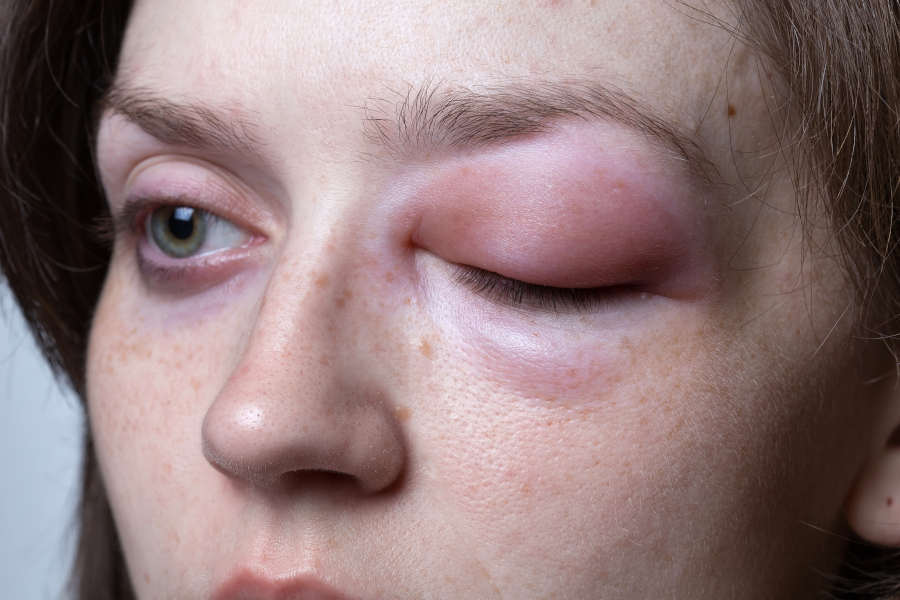

This story is brought to you by Eastern Idaho Regional Medical Center, which provides the most experienced and specialized emergency care in Idaho Falls, including the region’s only pediatric ER.
Life-threatening allergic reactions can happen rapidly and without warning. They can even be triggered by things you were previously able to tolerate. Unless you have already been diagnosed with an allergy or asthma, you may not recognize the potential severity of an allergic reaction right away.
When to go to the ER for an allergic reaction
Two of the main allergic reaction signs that should send you to EIRMC’s ER or calling 911 are:
- Hives (itchy, raised, red or skin-colored welts) all over the body
- Breathing problems
The most severe allergic reaction is anaphylaxis, which occurs when the body releases an overdose of allergen-fighting chemicals. If left untreated, anaphylaxis can lead to anaphylactic shock (a sudden drop in blood pressure and narrowing of the airways), seizures, cardiac arrhythmia and even death.
Additional symptoms of a severe allergic reaction that require immediate medical attention include:
- Abdominal pain, vomiting, intense nausea or diarrhea
- Chest tightness
- Feeling of doom
- Light-headedness
- Skin reactions or discoloration (rashes, flushed, blue, pale)
- Swelling of the eyes, mouth, tongue or throat
- Tingling hands, feet, mouth or scalp
- Weak, rapid pulse (heartbeat)
If you have an EpiPen, use it at the first sign of an anaphylactic reaction. Call 911 and then go to the hospital by ambulance — even if you feel better. You must seek medical care immediately because symptoms can recur.
If you’re unsure whether you are having an asthma attack or a severe allergic reaction, try to identify what happened right before symptoms began. Did you swallow a medicine, eat a specific food (the most common trigger in kids) or get stung by an insect? These would all point to anaphylaxis.
Not sure if your rash is serious? Call Consult-A-Nurse at (208) 497-6167 for free, expert advice 24/7.