



Three ways to see what your kids are really doing online
Published at | Updated at
 This story is brought to you by SafeLink Internet Services, southern Idaho’s best internet provider. SafeLink’s wireless internet can have you faster, more reliable internet today.
If you grew up sometime between the ’60s and ’80s, you’ve probably heard the phrase, “It’s 10 o’clock. Do you know where your children are?”
Today that question can be much tougher to answer, as they may be upstairs in their bedrooms, but could be anywhere in a digital world.
A study done in partnership with Stanford University shows even among very young children (0-5) who use the Internet, about 80 percent do so at least once a week.
With such easy and frequent access starting at such young ages, what can you do to keep your kids safe?
Use software
Filtering out the gunk of the Internet becomes much easier with software. Most software offers different features depending on the user’s device and what it is you want to filter.
While there are a multitude of options, both Tech Radar and PC Mag cite the free and paid versions of Qustodio as a favorite of 2016.
Regardless of which one you choose, look for software that offers features like content filtering, time limits, and user customizable settings.
Try mobile apps
Want to know what your kids are really doing on their phones?
There’s an app for that!
Depending on which app you choose, most offer you options to see who your child is calling or texting and what they are searching on the web.
Apps like Mobile Spy go further, allowing parents to see anything on a phone, including what their kids are up to in real time, anytime.
Building trust is important, so tell your kids you will be monitoring them, and allow them to show you they can be responsible with a mobile device.
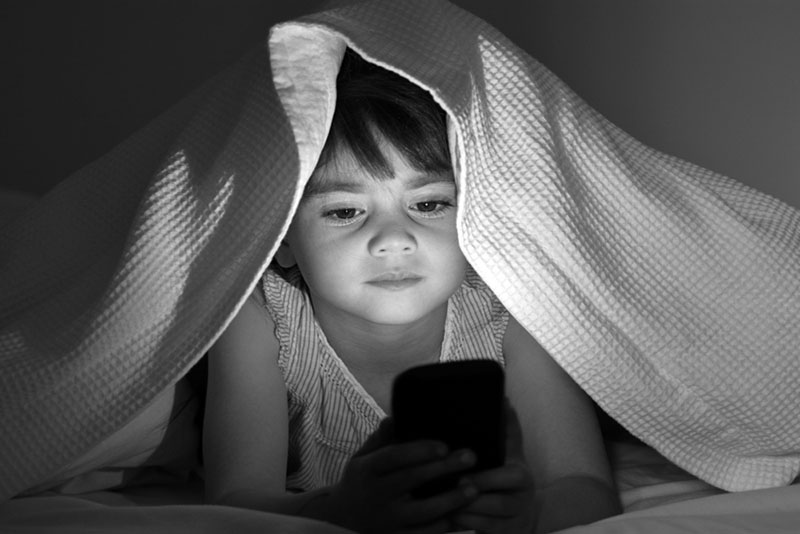
Put devices to bed
The Journal of the American Medical Association Pediatrics recently published a study showing sleep disturbances in childhood lead to short-and long-term health outcomes including stunted growth, obesity, and mental health issues, including substance abuse.
An easy way to increase sleep? Send electronics to bed too.
Making sure devices go to bed when your child (or adult) does results on average in an hour more of sleep per night, according to the National Sleep Foundation. Just through the teenage years, that’s a staggering 2,555 more hours of sleep then those with electronics in their room at night.
Not only will they get more sleep, but also you will know exactly what they are doing on their mobile devices – nothing!
Using these quick tools can help protect your kids and give you peace of mind when they are online.