


Creating a windowsill herb garden
Published at | Updated at
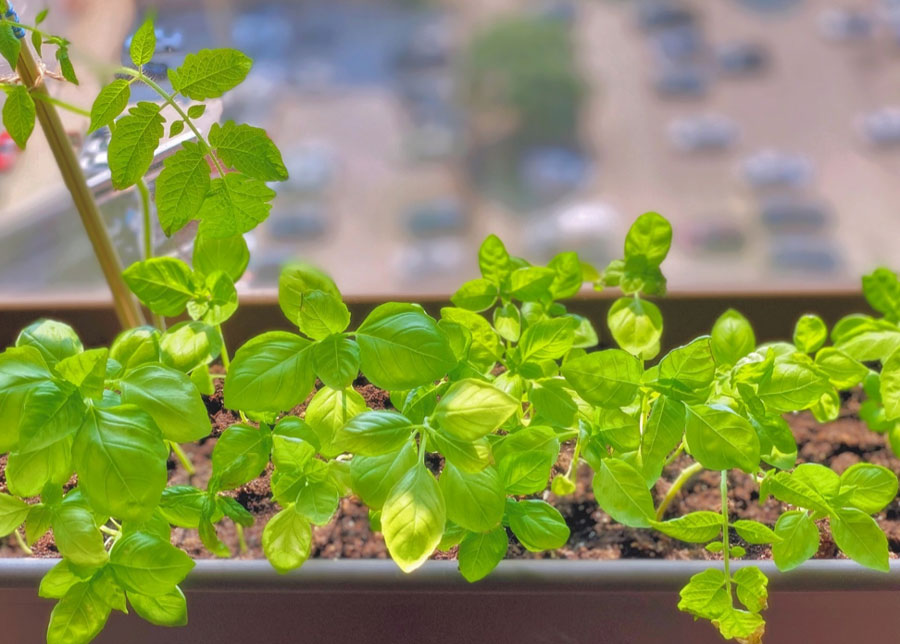
We have recently covered several ornamental plants that are naturally adapted to indoor growing conditions. We can also grow edible plants year-round in eastern Idaho — or anywhere for that matter. The trick is providing the right growing conditions.
Many herbs are quite easy to grow indoors. Some may be a little more challenging than others. The most common herbs grown indoors include basil, cilantro, chives, oregano, thyme, rosemary and parsley.
Most herbs are quite easy to grow in containers, even in the summer. They can be grown in small areas such as apartment patios and window boxes. This small space requirement is also nice for growing herbs indoors. What are the growing conditions needed for growing herbs indoor? Home temperatures are ideal for herb growth. After that, light, water, and nutrients need to be considered.
Light
Light quantity and quality are the biggest challenge. Most herbs need a minimum of six hours of direct summer sunlight to grow well. Winter sunlight travels through more atmosphere and when you don’t have a good, bright window, or there is a lot of cloud cover such as we have had this winter you may need some supplemental light to keep the plants healthy. Full-spectrum lights are better than the red and blue lights. LED lights require less energy than florescent and incandescent lights.
Turn the plants weekly to encourage healthy growth on all sides.
Water and nutrients
There are some small hydroponics systems that can be used for an indoor herb garden. If you are going to grow them in a pot, be sure the pot has drainage holes. Herbs do not do well with constantly wet roots. Let the soil dry down to one knuckle to reduce the risk of fungus gnats around your herbs.
While not necessary, increasing the humidity around the plants with a pebble tray or misting on a regular basis may help the plants stay healthy. Don’t keep the leaves wet for long periods or you may get fungal growth on them.
A hydroponic system should be designed to address plant nutrition. Potting soils may or may not need supplemental nutrients. A water-soluble houseplant fertilizer with the first number on the guaranteed analysis (nitrogen) being the largest will do well for herbs. Fertilize once a month.
Harvest
You can begin harvesting herbs as soon as they are large enough to support the loss of leaves. Keep them pinched back so they don’t become leggy.
Fresh herbs for cooking are quite a nice treat. Go ahead a try your hand at indoor gardening.
Horticulture Educator Ron Patterson can be reached at (208) 529-1390.

In the Garden is sponsored by ProPeat, which is dedicated to delivering solutions for any of your professional fertilization needs. Whether you need to reduce the harm to soils and the environment, or you're interested in the latest nitrogen, carbon and biochemical technologies, ProPeat is the perfect fit.