



How fireworks became an integral part of Independence Day celebrations
Published at | Updated at

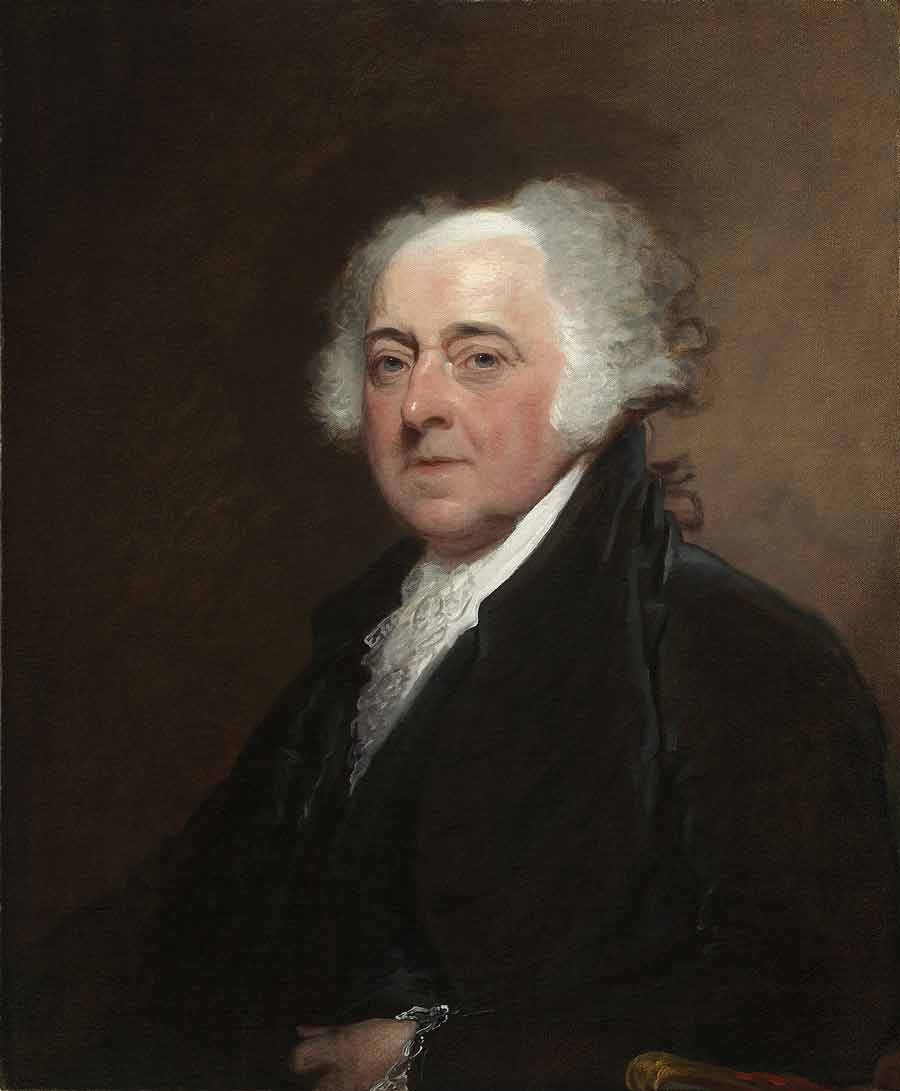
IDAHO FALLS — Four simple words expressed John Adams’ feelings as he wrote a letter to his wife, Abigail, on July 3, 1776.
“The day is past,” Adams wrote.
It was the day after he and 64 other delegates with the Second Continental Congress created the Declaration of Independence. It had been a long 14 months of political debate, and the following day, America’s founding document would finally be ratified and signed by those in attendance.
As the man who would become America’s second president put pen to paper, he proclaimed “the second day of July … (would) be the most memorable Epocha in the history of America.”
“I am apt to believe that it will be celebrated, by succeeding generations, as the great anniversary festival,” wrote Adams. “It ought to be commemorated as the Day of Deliverance by solemn acts of devotion to God Almighty. It ought to be solemnized with pomp and parade, with shews, games, sports, guns, bells, bonfires and illuminations from one end of this continent to the other from this time forward forever more.”

All of those things have been an integral part of Independence Day celebrations ever since. Every year, communities across the country culminate the annual tradition by illuminating the night sky with fireworks. These colorful explosions elicit joyful “Oohs” and “Aws” from crowds who witness them.
Though the first Independence Day solidified the yearly use of fireworks in America, it wasn’t the first time they were used.
Where did fireworks originate?
The first use of fireworks, according to many historians, dates back to 200 B.C. in China.
“It is believed that the first natural ‘firecrackers’ were bamboo stalks that when thrown in a fire, would explode with a bang because of the overheating of the hollow air pockets in the bamboo,” the American Pyrotechnics Association reports.
The Chinese reportedly believed that doing this would “ward off evil spirits.”
Hundreds of years later, sometime between 600 and 900 A.D., a Chinese alchemist created the first man-made fireworks when he mixed potassium nitrate, sulfur and charcoal to make a black powdery substance now known as gunpowder.
“This powder was poured into hollowed out bamboo sticks (and later stiff paper tubes),” the article says.
The gunpowder allowed people to weaponize fireworks as they engaged in combat with their enemies.
During the Renaissance era in the 13th and 14th centuries, fireworks were widely used in public celebrations and became a popular form of entertainment.
“Legend has it that Captain John Smith set off the first fireworks display in the American colonies in Jamestown, Virginia in 1608. He and other settlers used the fireworks to celebrate special events,” according to the American Pyrotechnics Safety and Education Foundation.

Over the years, fireworks displays have become more sophisticated, resulting in large-scale, multi-colored exhibitions. Today, many fireworks shows are computer programmed and synchronized to music, including the Melaleuca Fireworks show in Idaho Falls.
Radio host Glenn Beck explained in a recent broadcast that “what you see in the sky (this fourth of July) is a melting pot … of creativity and innovation” that represents one of the most noble ideas set forth by the founding fathers.
“E pluribus unum — out of many, one,” Beck said. “Out of so many sources and so many countries, we will all watch our one fireworks display and celebrate one truth. We’re still a country called the United States of America, and we are free.”