



Burrowing owls arrive in eastern Idaho
Published at

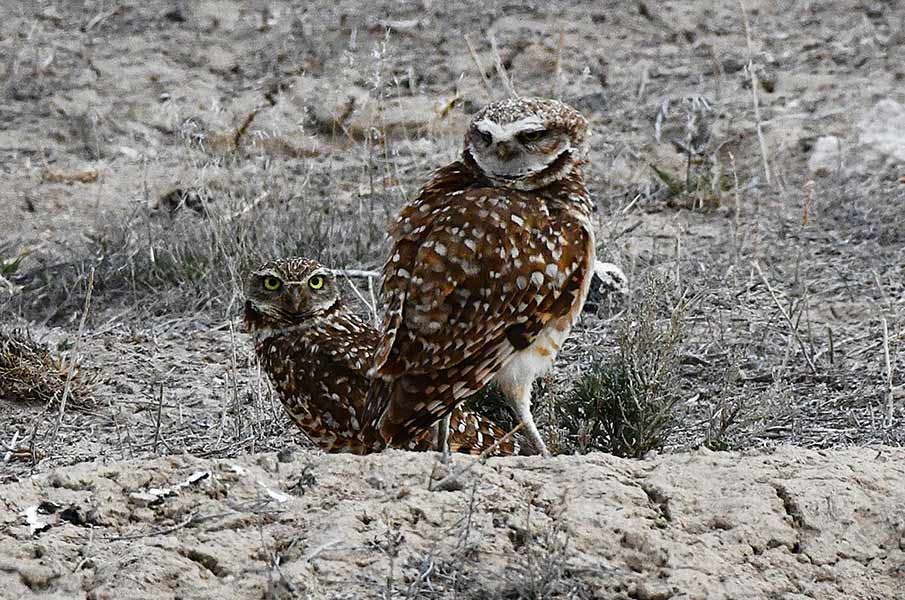
If you know where some burrowing owl traditionally nest, get ready for some entertaining activities as they get ready to raise their family. Three weeks ago, most of the males showed up in the middle of some nasty weather. Snow was falling and they had come to eastern Idaho to get the nests ready for the arrival of the females. It was a messy job, but they had to do it so their significant other would be comfortable.
Well, this last Wednesday morning I visited two males that I had been watching, and both had hooked up with females. Both females were at the burrows that the males had been habituating, and the males were working on their bachelor pads. Once the females start laying eggs, the males must find other digs to live in while he delivers food for the setting female.
Usually that burrow is close by the nest, but one of the female’s male partner was about 100 feet from hers and she was very vocal. Every time he went to his burrow, she would crouch on the lip of the nest burrow and call until he returned to it. If he did not return fast enough, she would fly to his pad, forcing him to fly back to the nest. He would go down the nest burrow and she would return. He would come back out and fly to his pad.
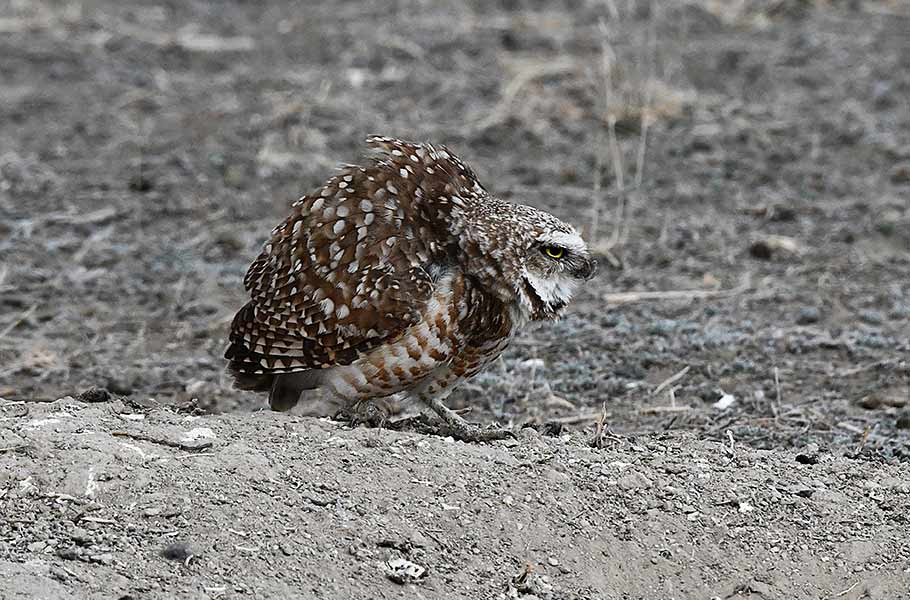
I watched each of the two pairs for about an hour and at one of them, I watched as a ferruginous hawk flew over and the pair quickly went down the hole and came out when the hawk left.
Later Wednesday, I found a third pair that I did not know about, and it appeared that the couple was well acquainted, longer than the other two couples. Their two burrows were only approximately 30 feet apart and they were both bringing small pieces of old cow dung to the nest hole. Most nest entrances are lined with horse and cow dung. It is believed that the dung may mask the scent of the owl’s odor from ground predators or that the dung attracts dung beetles that are used for food.
The female lays from five to a dozen eggs and does all the incubation of the eggs. The owlets will hatch about 30 days after she begins setting while the male feeds her. Right now, both pairs are actively harvesting rodents and storing them in part of the nest burrow in case food becomes scarce.
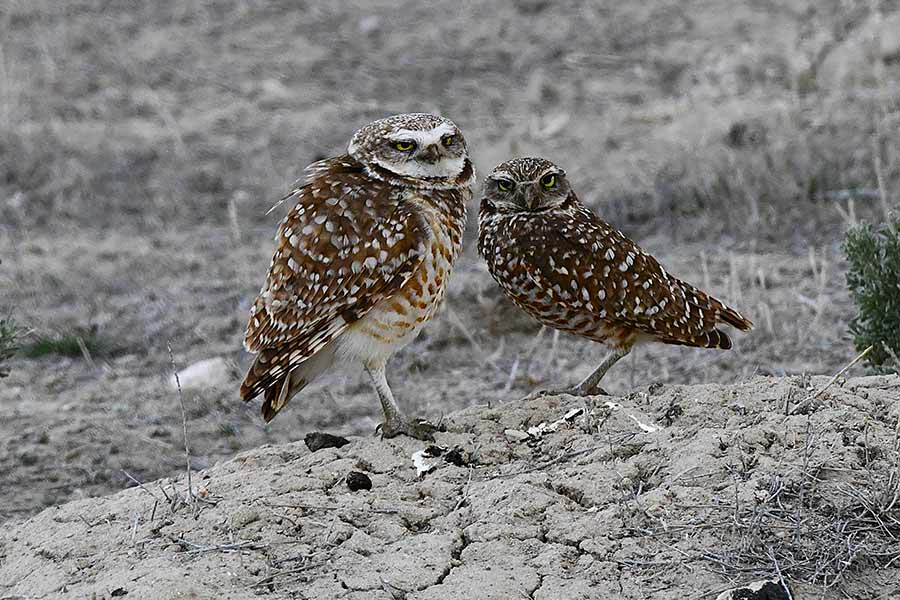
When the babies hatch and start coming out of the nest, the fun really begins. They are very playful with each other and pull faces at observers. Old cowboys used to call the Burrowing owls the “Howdy birds” because when they are disturbed, the dip and bow to you. Good Luck to all of you who are searching for them. The agriculture lands near the desert edge in the Mud Lake area are a good place to look for them.
There has been plenty of water at the Camas National Wildlife Refuge and the shorebirds are starting to find it. It is also time for many of the songbirds to start showing up. I saw several Loggerhead shrikes and Sage thrashers on the Frontage Road from Sage Junction to Hamer on Wednesday.

Living the Wildlife is brought to you by Yellowstone Teton Territory. Experience 7,500 square miles of untamed wilderness in Eastern Idaho's Yellowstone Teton Territory. Where majestic peaks meet endless adventure, your perfect outdoor escape is waiting. Start planning at YellowstoneTeton.com.