



Idaho’s projected budget deficit estimated at $40 million heading into 2026 legislative session
Published at
Clark Corbin, Idaho Capital Sun
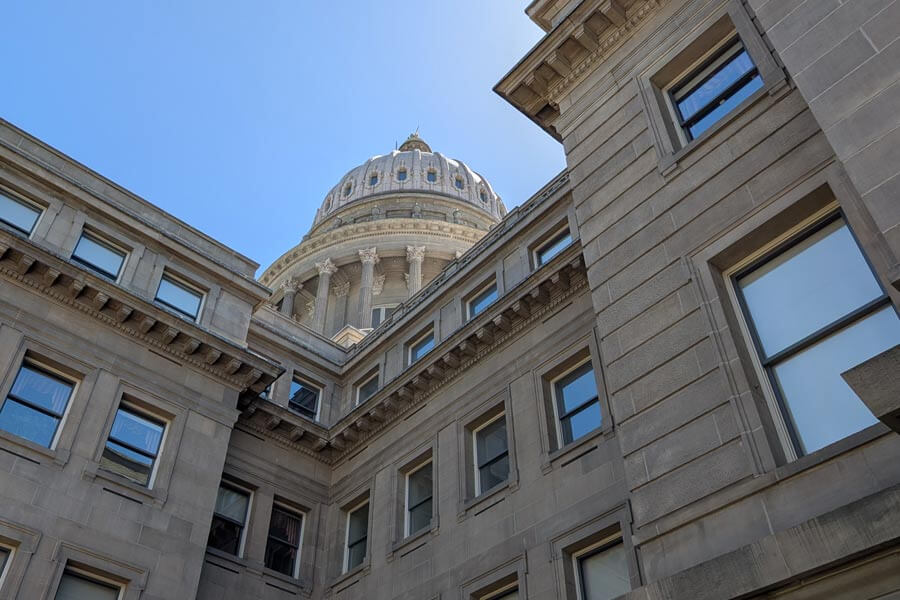
BOISE (Idaho Capital Sun) — Idaho’s state budget is projected to end the current fiscal year 2026 with a deficit of $40.3 million, according to the last major revenue report that the state is expected to release before the upcoming 2026 legislative session begins in January.
According to the December edition of the Fiscal Year 2026 General Fund Budget Monitor report released Thursday by the nonpartisan Idaho Legislative Services Office, Idaho’s state budget is projected to end the current fiscal year 2026 on June 30 with a deficit of $40.3 million. That number includes the 3% budget holdbacks that Gov. Brad Little ordered in August, as well as the latest revenue collections that the state took in in November.
The projected budget deficit has shrunk from an estimated $58.3 million last month to $40.3 million this month, according to the Legislative Services Office.
The projected budget deficit is important because the Idaho Constitution prohibits the state from running a budget deficit and requires the state to pass a balanced budget.
Idaho state legislators and officials in the governor’s office have vowed that they will intervene during the 2026 legislative session that starts Jan. 12 to prevent the state from running a budget deficit. Although their tactics have not been made public, the most likely tools they will use to balance the budget appear to include enacting additional new budget cuts and/or dipping into more than $1 billion in state rainy day reserve accounts.
It is important to note that the projected budget deficit is not a hiccup limited to the current year. State budget officials have projected a much larger budget deficit of $555.2 million for next year’s budget, fiscal year 2027. The state’s top budget official, Idaho Division of Financial Management Administrator Lori Wolff, told the Idaho Capital Sun the state may need to come up with an additional $600 million to $1 billion for the 2027 budget if the state wants to conform with federal tax changes championed by President Donald Trump and also leave an ending cash balance to serve as a budget cushion to guard against additional budget uncertainty.
Idaho officials sounding alarms over budget shortfalls
During a closely watched state tax conference in Boise last week, Republican Lt. Gov. Scott Bedke sounded an alarm about the state budget situation, the Idaho Capital Sun previously reported.
“For the first time in Idaho’s history, (in) last year’s budgeting session, we acted more like Washington, D.C., than we did Idaho,” Bedke said earlier this month. “… We created a list of things that we wanted to accomplish and passed that list of things before we set the revenue number, and then we backed into the list with the revenue number, and adjusted the revenue number to pay for that list of things.”
The projected state budget shortfall is occurring after years of tax cuts approved by the Idaho Legislature. A recent report from the Boise-based nonprofit Idaho Center for Fiscal Policy says the state reduced revenue by a cumulative total of $4 billion over the past five years to pay for income tax cuts. The Idaho Center For Fiscal Policy said those income tax cuts benefitted businesses and the wealthiest Idahoans earning more than $738,300 per year much more than average Idaho working families and families with low incomes.
House Minority Leader Ilana Rubel, D-Boise, said the budget shortfall was entirely created by the Idaho Legislature. In an interview Friday morning, Rubel called for repealing the most recent income tax cut and a new education tax credit that the Idaho Legislature created in 2025 to pay families for education expenses that include tuition at private, religious schools.
“If we came in and reversed some of that and restored revenue, honestly most people wouldn’t even notice,” Rubel said, adding that the income tax cuts and the education tax credit primarily benefit wealthy families. “We have a revenue problem; we don’t have a spending problem. But unfortunately what I think the Legislature is going to do is move in the other direction and exacerbate all of this with even more tax cuts.”
Rubel said she is afraid the Idaho Legislature will enact deep new budget cuts to avoid a budget shortfall, which she fears will have significant negative consequences. She pointed out Idaho sheriffs are already issuing public warnings that mental health cuts will pose significant public safety concerns.
“The repercussions of the cuts will be felt far beyond the vulnerable communities who took the hit on the front end,” Rubel said. “It’s going to hit regular people. It’s going to hit them a lot harder in the very near future, and they are going to want answers.”
Rubel also said some legislators are not being forthcoming about how serious the budget situation is and the root causes that created it.
“Unfortunately what we are seeing is just a lot of gas-lighting,” Rubel said. “The people driving us into the ditch are still holding the keys to the car, and they’re telling people what a beautiful ditch it is. It appears they don’t have the appetite to admit they maybe made a mistake and we need to take a different direction.”
Idaho’s decision on ‘Big Beautiful Bill’ tax cuts will have a big impact on the budget and 2026 legislative session
Idaho’s projected state budget deficit does not include the cost of conforming to the tax changes in the federal One Big Beautiful Bill Act that Trump signed into law on July 4.
The Idaho Legislature will get to decide whether and how to conform with those tax changes during the upcoming 2026 legislative session. If the Republican-controlled Idaho Legislature follows Trump’s lead and conforms with the tax changes, it could reduce state revenue by an additional $284 million in 2026, according to estimates from the Tax Foundation.
Some of Trump’s individual tax changes include no tax on workers’ tips, no tax on workers’ overtime pay, no tax on borrowers’ car loan interest and a temporary expanded deduction for senior citizens.
If the Idaho Legislature chooses to conform with the tax changes, that would reduce state revenue available for the state budget. If the Idaho Legislature does not conform with the tax changes, the state would deviate from Trump and the federal government and collect state taxes in those areas.
Rubel told the Sun on Friday that after meeting with Republican leaders she believes the Idaho Legislature will conform with Trump’s tax changes from the One Big Beautiful Bill Act.
Last month, state Rep. Wendy Horman, R-Idaho Falls, told the Sun that it may not make financial sense for Idaho to comply with all of the business tax cuts in the One Big Beautiful Bill Act that Trump signed.
“This year conformity could have a very high price tag,” Horman told the Sun on Nov. 25.
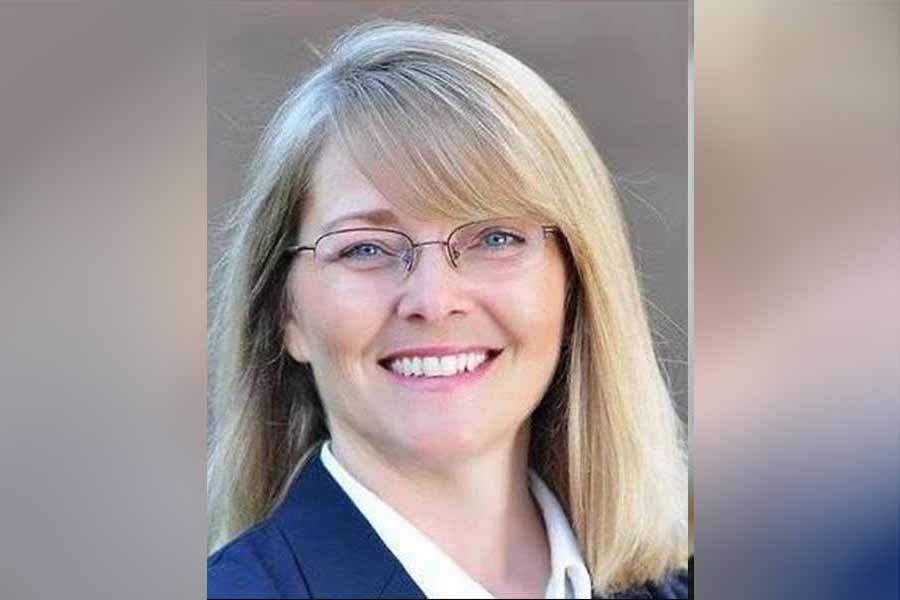
“Normally we just conform with the federal policies. This year will be different because of the Big Beautiful Bill — there is no tax on tips, there is no tax on overtime, but there are also substantial tax cuts for business. In my opinion, it makes no sense to set a revenue number (for the budget) until we know what the conformity policy is going to look like. As you know, JFAC does not set revenue policy – the tax committees set the policies that will determine the amount of eligible revenue to appropriate. So this is a unique year in that conformity could have a price tag in the hundreds of millions of dollars, and there will be important policy decisions that need to be made outside of JFAC before we will really know how much revenue will be on the table for appropriation.”
Efforts to reach Horman on Friday morning were not immediately successful. But Horman has consistently downplayed the state’s projected budget deficit as merely an estimate on a piece of paper and a guess.
Horman has also vowed to prevent the state from running a deficit.
“We will set a balanced budget,” Horman told the Sun on Nov. 13. “The constitution requires it. I am personally committed to it. And I anticipate we will leave as large of a cash balance as we can to carry over into next year to guard against unforeseen circumstances.”
Horman is co-chair of the Idaho Legislature’s Joint Finance-Appropriations Committee – or JFAC, for short – which sets every budget for every state agency and department every year.
Idaho is not alone in facing a state revenue and budget shortfalls. The Colorado Legislature called a special session in August to address a nearly $800 million hole in the state budget, Colorado Newsline reported. Additionally, the states of Arizona, New Mexico and Maryland are projecting tax changes from Trump’s One Big Beautiful Bill Act will reduce state revenues in their states, according to a report from Pew Charitable Trusts.
Click here for a closer look at Idaho’s budget.
Idaho Capital Sun is part of States Newsroom, a nonprofit news network supported by grants and a coalition of donors as a 501c(3) public charity. Idaho Capital Sun maintains editorial independence. Contact Editor Christina Lords for questions: info@idahocapitalsun.com.