



Spring starts in the soil: Preparing silty, sandy soils for success
Published at | Updated at
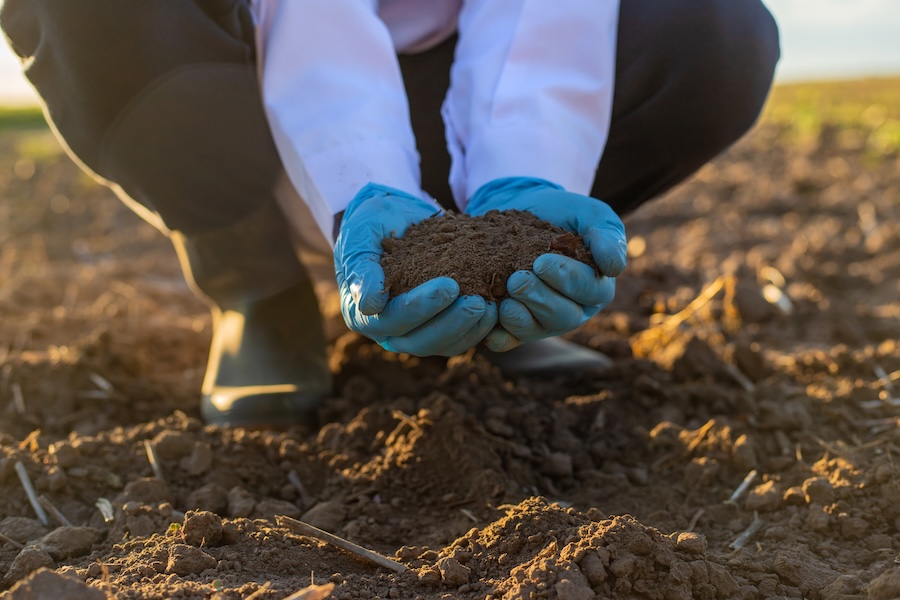
Successful spring gardening starts long before the plants go into the ground.
In east Idaho, gardeners commonly work with silty to sandy soils. Because soil texture influences how water, nutrients and roots move through or stay in the soil, improving soil before planting can mean fewer watering problems, healthier plants and better growth throughout the season.
Determining the makeup of your soil starts with conducting a soil test. Spring is a good time to test, as samples should be taken when soil temperatures are above 40 degrees Fahrenheit, which often occurs in March.
RELATED | Sun and wind: Designing for east Idaho microclimates
A properly collected soil test provides a representative snapshot of soil nutrients, textures, pH and organic matter. Together, these characteristics help guide amendment decisions that improve soil health and productivity.
Once you know your soil’s texture, nutrient levels and organic matter content, you can make targeted improvements rather than guessing. Organic matter is the foundation of these improvements, but the rate of amendments depends on the amount of sand and silt present.
This leads to an important question: How do you take a representative — or “good” — soil test?
Soil testing basics
Soil samples should be taken to a depth of about 6 inches for lawns; gardens, trees and shrubs should be sampled to a depth of 12 inches. The most efficient way to collect samples is with a hollow tube soil probe, which is available for use free of charge from your local University of Idaho Extension office.
A minimum of five to 10 samples should be collected throughout the area in a zigzag pattern. The goal is to capture a good snapshot of the entire site. All collected samples should be placed in a clean bucket and mixed thoroughly, and about 2 cups should be sent to the soil test laboratory.
The University of Idaho article “Using soil test results for garden fertilization” provides easy-to-use fertilizer rate recommendations appropriate for home lawns and gardens.
Understanding silty sandy soils
Silty sandy soils are often easy to work in the spring and warm quickly, but they tend to lose water and nutrients rapidly. This is because the soil’s large particles cannot hold onto the nutrients or water.
These soils benefit from amendments that improve moisture retention, nutrient holding capacity and overall soil structure. Organic matter is often the solution for improving these aspects of soil.
Organic matter: building better soil
Organic matter improves soil health by increasing water-holding capacity and enhancing nutrient availability. Most garden and lawn soils benefit from increasing organic matter.
Common organic matter sources include:
- Finished compost.
- Well-aged or composted manure.
- Leaf mold or composted plant material.
For new vegetable or flower gardens, mix 3 to 4 inches of compost into the top 8 to 12 inches of soil prior to planting. For established gardens, an annual application of one-quarter inch of compost to the top 8 to 12 inches of soil should help maintain soil organic matter.
A word of caution when using manure-based amendments: They may be high in salts and can cause root burn or plant death.
Using soil test results to guide amendments
Soil test results provide guidance on nutrient needs, organic matter levels, and other soil characteristics, allowing gardeners to apply amendments at appropriate rates and make informed decisions for long-term soil health.
Please reach out to your local UI Extension office if you would like to learn more. Locations and contact information can be found here on the UI Extension website.
Editor’s note: Product names or images are used for educational purposes only. No endorsement is intended or implied.