



Fact or Folklore: Did Ted Bundy strike in Pocatello?
Published at | Updated at
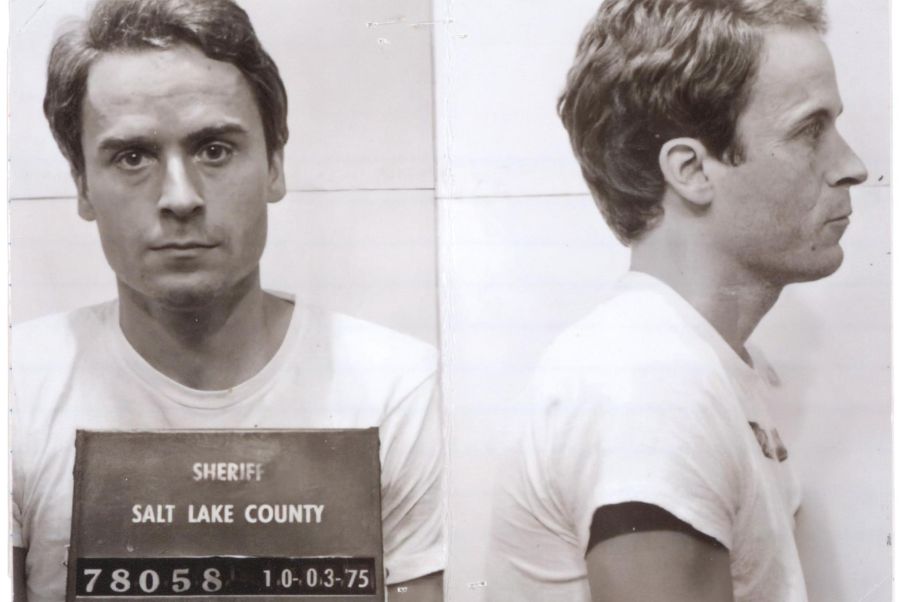
EDITOR’S NOTE: In this edition of Fact or Folklore, EastIdahoNews.com turns its attention to Pocatello and one haunting question: Did the notorious serial killer Ted Bundy strike in the Gate City?
Based on documented records, Bundy’s own confession and decades of news coverage, many investigators believe he may have abducted and murdered 12-year-old Lynette Dawn Culver of Pocatello.
But more than 50 years later, the case remains unsolved and still leaves room for debate.
What do you think? Fact or folklore?
POCATELLO — On May 6, 1975, 12-year-old Lynette Dawn Culver left Alameda Junior High School during the lunch hour and never returned.
Years later, Theodore Robert Bundy, aka Ted Bundy, one of America’s most notorious serial killers, would confess to a murder that closely matched the circumstances of Culver’s disappearance, although he never actually mentioned her by name.
Who was Lynette Culver?
Public information about Lynette Culver is limited, but old records show she was born July 31, 1962, in Renton, Washington. Her parents were Edward and Carol Ann Culver.
She was the youngest of three children, though one sibling died before birth. The Culver family moved to Idaho in 1967 when Lynette was about 5 years old.
By all accounts, she was a normal, happy preteen. Friends and family described her as a little shy at first, but warm and friendly once she became comfortable with people. She had a good relationship with her parents and her older sister, Nancy.
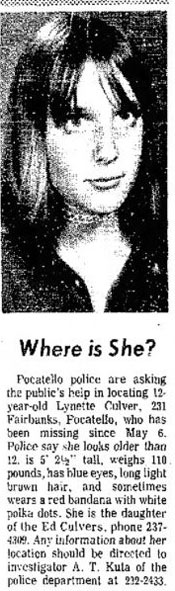
She was a seventh-grader at Alameda Junior High School, where she maintained good grades and was beginning to build a social life during her first year in junior high. At that time, she stood about 5 feet 2 inches tall and weighed around 110 pounds. She had long brown hair and hazel eyes.
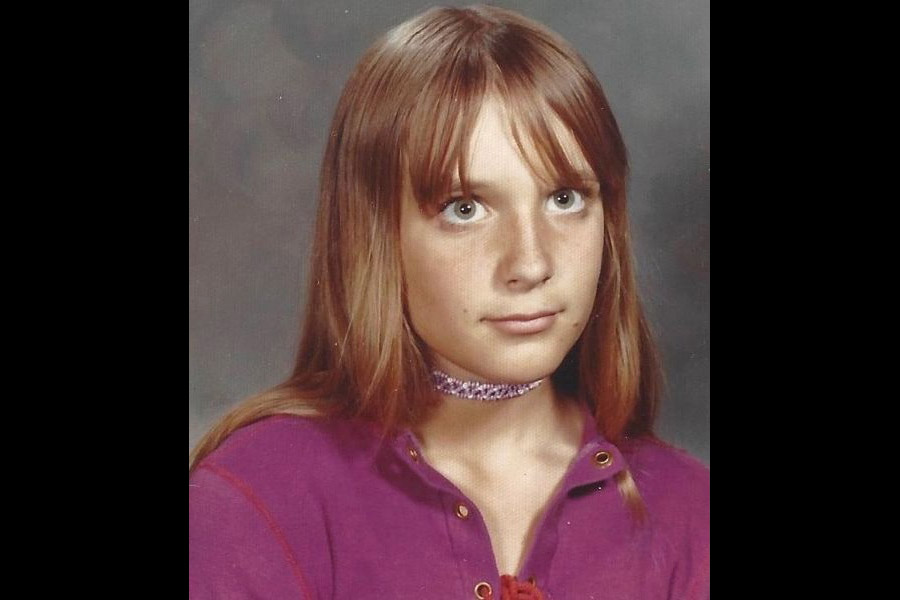
On that day in May, Culver left school during her lunch break. She had not told anyone she planned to leave campus, and investigators still do not know where she went that afternoon.
She was last seen wearing a burgundy jacket with a fur hood, a red checkered shirt and jeans.
She was never seen again.
A notorious serial killer
Ted Bundy was one of the nation’s most infamous serial killers. Throughout the 1970s, he carried out multiple murders across several western states, including Washington, Oregon, Utah and Colorado.
According to FBI records and court documents, Bundy confessed to killing at least 30 young women, although investigators believe the true number may be much higher.
Charismatic and good-looking, Bundy was known to approach his victims in public places, pretending to be injured and needing assistance or posing as an authority figure to gain their trust before abducting them.
On Jan. 15, 1978, Bundy also broke into the Chi Omega sorority house at Florida State University in Tallahassee. During the attack, he killed two students and severely injured two others who survived. This was one of Bundy’s final known attacks before he was arrested a month later in Pensacola, Florida.
OURTROOM INSIDER | Woman attacked and nearly killed by Ted Bundy speaks out
Before his execution in 1989, Ted Bundy spoke with investigators and confessed to a number of murders across several states, including Washington, Utah, Colorado and Florida. During those interviews, Bundy said he killed a young girl in Idaho in the mid-1970s.
Bundy was executed in the electric chair at Florida State Prison on Jan. 24, 1989.
The Pocatello connection
The Idaho killing Bundy referred to has long been linked to Culver’s disappearance.
According to court records, interviews, books and documentaries about the case, Bundy reportedly told investigators he had abducted and killed a young girl in Pocatello around the same time Culver disappeared.
RELATED | Looking back at Ted Bundy’s Utah confession 30 years ago
Detectives who interviewed Bundy — including Washington State detective Robert D. Keppel and Idaho Attorney General Jim Jones — said he provided details about the circumstances of the abduction that matched known facts of the Culver case, which was why investigators took the confession seriously.
Bundy said he drove to Pocatello, parked near Alameda Junior High School and lured the girl into his vehicle. He claimed he then took her to a room he had rented at the Holiday Inn in Pocatello, where he sexually assaulted her, drowned her in the bathtub and disposed of her body in the Snake River.
Crystal Douglas, an Idaho Falls resident and founder of East Idaho Cold Cases, said she remembers living in Pocatello as a child when several local girls disappeared — memories that later motivated her to research and highlight numerous unsolved cases across the state.
Douglas, who has studied Culver’s case extensively, said Bundy’s confession has never been fully verified.
“Ted Bundy admitted to killing Lynette Culver, but without physical evidence or recovered remains, investigators have never been able to fully confirm his confession,” she said.
If Bundy did kill Culver, she would have been his youngest victim at just 12 years old. Early police reports noted that she looked older than her age.
Why investigators believe it could be Bundy
At the time Bundy was committing murders across the West, he was living in Salt Lake City while attending law school at the University of Utah.
COURTROOM INSIDER | Ted Bundy’s cousin shares her story
Investigators later determined Bundy drove extensively throughout the region — sometimes hundreds of miles — often using major highways to travel between states where his crimes occurred.
Interstate 15 is the main route between Salt Lake City and Pocatello, making it the most direct path for someone traveling between northern Utah and eastern Idaho during the mid-1970s. Some accounts even say that Bundy hung out at Idaho State University during this time period.
A case still unsolved
Despite Bundy’s unverified confession, the case remains unsolved. For Culver’s family and friends, the lack of answers and no physical evidence have made closure difficult.
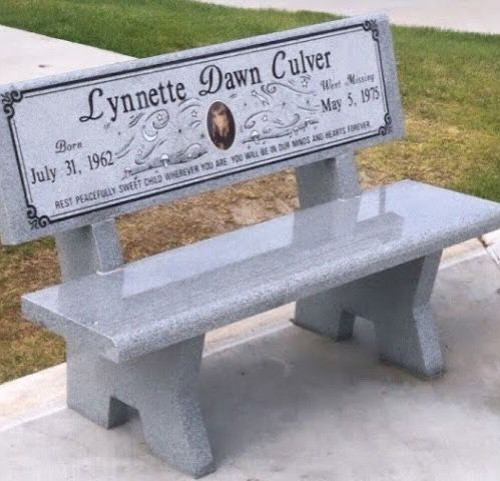
In 2019, family members, friends and supporters came together to raise money for a marble memorial bench in Culver’s honor.
The bench now sits at Ross Park Swimming Pool, a place where those who remember her — including people who never knew her personally — can pause, reflect and keep her memory alive.
It’s also worth noting that two other young girls vanished in Pocatello three years after Culver disappeared.
The victims were 12-year-old Tina Anderson and 15-year-old Patricia Campbell, both students at Alameda Junior High School. The girls disappeared during a Pioneer Day celebration at Alameda Park. They were last seen July 22, 1978, after leaving family members near a swing set to buy corndogs for their group.
Like Culver, they never returned.
Many thought the girls may have been victims of Bundy. However, he could not have been responsible. According to records, Bundy was incarcerated in Pensacola from Feb. 15, 1978, through the remainder of the year while awaiting trial.
Hunters discovered their remains in October 1981 in the Trail Hollow area of Oneida County. Anderson was identified shortly afterward through dental records. Investigators believed the remains found beside her belonged to Campbell, but that identification was not confirmed until 2007, when DNA testing verified her identity.
Nearly 50 years later, the cases of these two young women also remain unsolved.
The Pocatello Police Department encourages anyone with information about Culver or the other cold cases mentioned to contact them at (208) 234-6100.