



Idaho governor signs bill to prevent photos from death investigations from going public
Published at
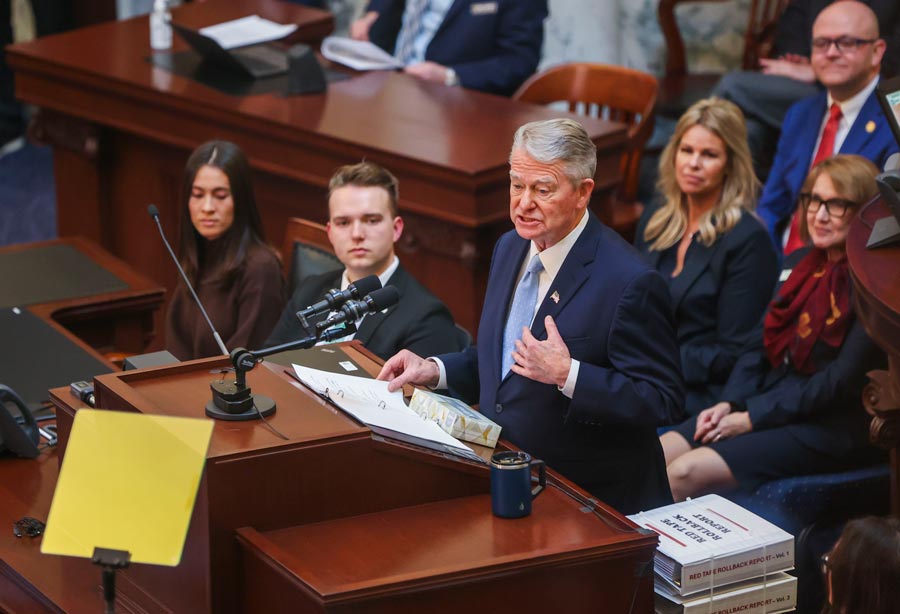
BOISE (Idaho Capital Sun) — Idaho Gov. Brad Little signed into law a bill that prevents photos from death investigations from being publicly released.
Little on Thursday signed Senate Bill 1250, which unanimously passed the Senate and House. The bill comes two years after a watchdog report by the Office of Performance Evaluations found that Idaho law “does not prevent a coroner” from sharing information gathered in a death investigation.
In a Facebook post, Little praised the bill’s “champions,” including Alivea Goncalves, whose sister Kaylee Goncalves died in a quadruple murder in Moscow in 2022.
“This change will help protect grieving families from the additional pain of having sensitive photos released that should remain private,” Little wrote. “I applaud Alivea and the Goncalves family for their incredible advocacy in the face of immense tragedy.”
Senate Minority Leader Melissa Wintrow, a Boise Democrat, brought the bill.
“There’s no one that needs to see the photo or image of somebody who has passed away,” Wintrow told a House committee earlier this month.
Allen Hodges also testified about his daughter’s death — and his fear that nude photos of her taken in her death investigation could become public. He has pushed for the change in state law for more than a year, the Idaho Capital Sun reported.
“I’m here, not just for myself, but other citizens of Idaho. You lose a grandma; you lose a grandfather. Why should those images, if they’re taken by a coroner or law enforcement, be public fodder and for other people’s enjoyment? It’s wrong,” Hodges said.
The bill would add to records exempt from Idaho’s Public Records Act “any photographs or images of a decedent taken as part of a coroner death investigation or law enforcement investigation regardless of whether such investigation is active or not.”
The bill would allow photos to be released to next of kin once investigations and criminal cases, including appeals and civil proceedings, are done.
The bill takes effect July 1.