



‘The disease triangle’: Why plant diseases appear in your garden
Published at | Updated at
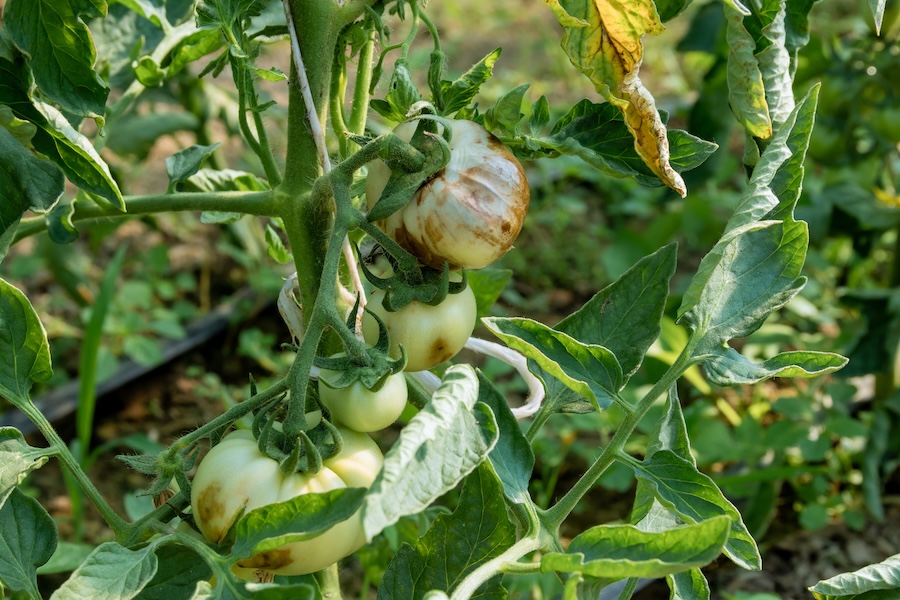
IDAHO FALLS — Plant diseases rarely happen by accident. When problems show up in the garden, it is usually because the right conditions come together at the right time.
Plant diseases can occur in any garden. In east Idaho, cool nights, warm days, and irrigation practices can sometimes create conditions that favor plant disease. However, diseases do not appear randomly. Plant diseases occur only when three factors come together at the same time — otherwise known as “the disease triangle.”
A simple way to visualize plant disease is using the disease triangle. A disease requires a pathogen, a susceptible plant and favorable environmental conditions. Like a triangle, all three parts are necessary for a disease to develop. If one is not present, it will not occur.
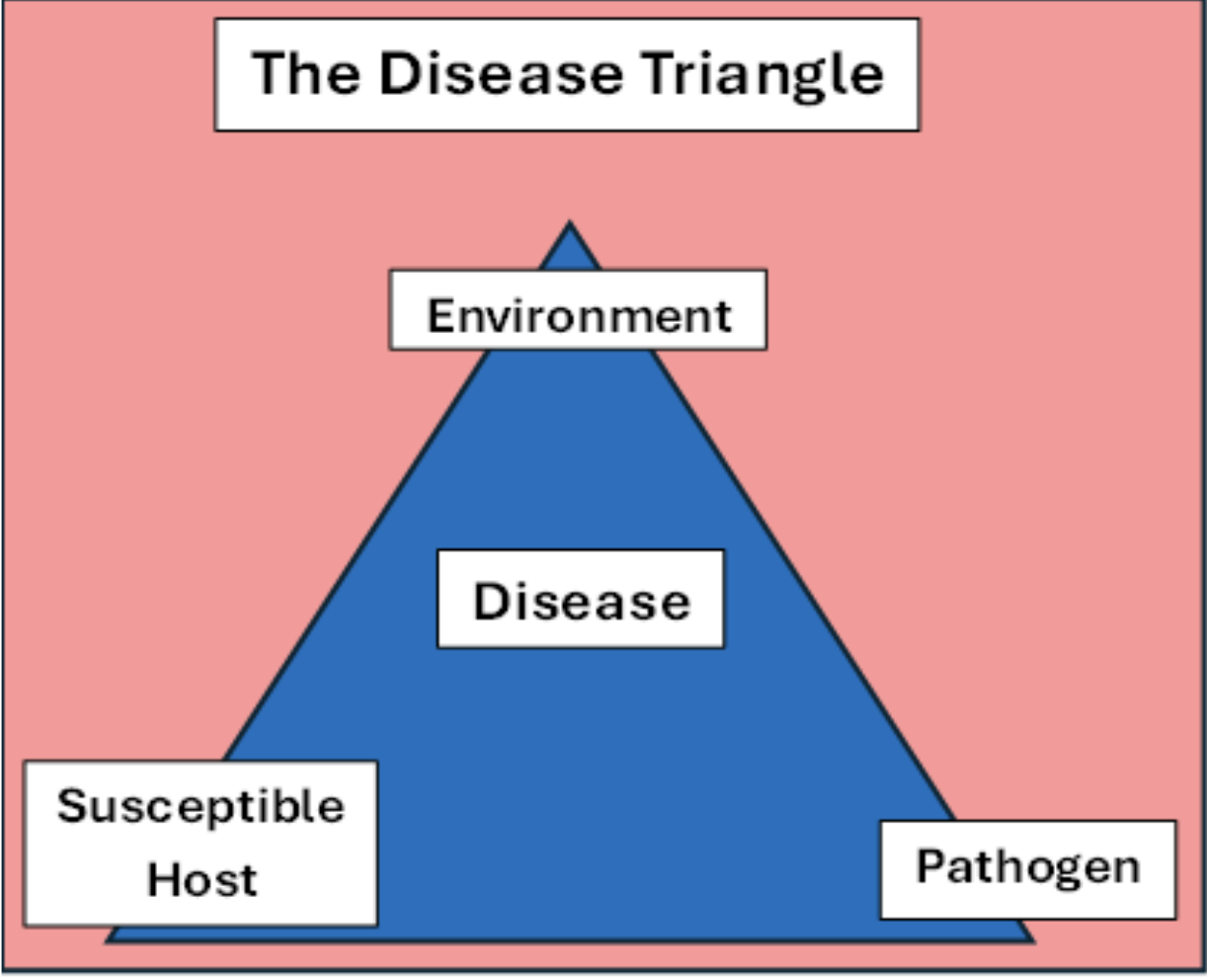
Side 1: The pathogen (what causes the disease)
Pathogens commonly found in the garden include fungi, bacteria and viruses.
Pathogens are prevalent in the environment and typically survive year after year in the soil, on decaying plant debris and infected seeds or transplants. Common examples of fungal plant diseases include:
- Powdery mildew fungi survive on plant debris and spread to squash, cucumbers and even roses.
- Verticillium wilt fungi persist in the soil and infect plants like tomatoes, potatoes, and strawberries.
Side 2: The susceptible host (the plant)
Not all plants are equally vulnerable to pathogens. Susceptibility to plant diseases increases when plants are stressed by drought, poor nutrition or overcrowding, or when they are poorly adapted to the site.
Some plants are also naturally prone to certain diseases.
- Crops like tomatoes and potatoes are susceptible to the Verticillium wilt fungus.
- Apples and pears are susceptible to fire blight, a bacterial disease.
- Squash, pumpkins and cucumbers (cucurbits) are highly susceptible to powdery mildew fungus.
Some viruses, such as cucumber mosaic virus, infect many garden vegetables, including cucumbers, tomatoes, peppers and beans.
Side 3: The environment (when conditions favor disease)
Conditions that commonly favor disease include cool nights and warm days, overhead irrigation, and dense or overcrowded plant growth that provides poor air circulation.
Powdery mildew develops in the late summer when days are warm but humidity builds in the plant canopies. Bacterial soft rot increases during wet conditions in gardens and potato patches.
Understanding the disease triangle also helps gardeners prevent problems by breaking one side of the triangle.
Breaking the disease triangle
Diseases can only develop when all three factors align. Gardeners have the most control over the pathogens and host plants.
Manage the pathogen
Managing the pathogen involves removing diseased plant material at the end of the season. Crop rotation is also important, especially for tomatoes, potatoes and squash. Cleaning tools between plants can help reduce the spread of diseases.
Strengthen the host
Choose disease-resistant or disease-tolerant varieties when available. Improve soil health and organic matter content to reduce plant stress. Match the plant with the right site and climate.
Modifying the environment
Although a plant’s environment is more difficult to modify, steps can be taken to help improve it. Water should be placed at the base of the plants, not overhead on the leaves. Plants should be spaced out based on mature size to allow for proper airflow. Mulch can be applied to reduce splashing of soil-borne pathogens and decrease moisture stress.
Conclusion
Although chemical treatments exist for fungal and bacterial diseases, they only affect the pathogen. They do not correct the wrong plant in the wrong site or climate, nor can they fix overwatering and overcrowded garden layouts.
The best results come from managing all sides of the triangle. Even breaking just one side of the triangle is often enough to protect plants.
Plant diseases can be manageable when gardeners understand the disease triangle and focus on preventing problems before they start, as well as responding effectively when a disease appears.
For more information about plant diseases and gardening practices, contact your local University of Idaho Extension Office.