



In the Garden: Why do cucumbers turn bitter?
Published at
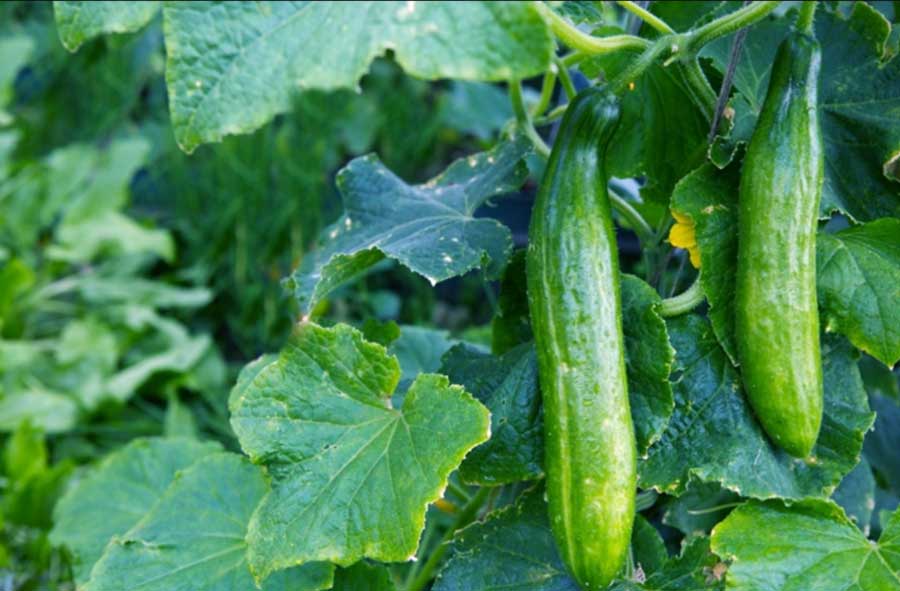
Have you ever harvested a fresh cucumber in the summer, only to take a bite and find it unpleasantly bitter? This is a common frustration for gardeners.
The good news is that bitterness is usually not random; it’s often caused by plant stress and — in rare situations — the genetics of the plant itself.
Cucumbers and zucchini are both members of the cucurbit family, and usually bitterness in either vegetable can be prevented with proper management.
What causes bitterness?
Plants naturally produce bitter compounds as a form of defense against pests (like people). In cucurbits, this compound is called cucurbitacin. Under normal growing conditions, cucurbitacin levels are low; however, when plants are stressed, these compounds can increase, leading to a bitter taste.
Common stressors include high temperatures, wide temperature swings, uneven watering — wet conditions followed by too dry conditions — and low soil fertility. These conditions are especially common in late summer.
Providing consistent irrigation and afternoon shade can help with reducing plant stress. In many situations, a bitter vegetable is simply a sign that the plant has experienced stress during growth.
Modern varieties of cucumbers and zucchini have been bred to reduce bitterness; however, adverse environmental conditions can still override these improvements. Additionally, overmature or improperly stored vegetables may develop mild bitterness after harvest.
For the best quality:
- Cucumbers should be stored at 50 to 55 degrees Fahrenheit, with high humidity, and they will typically keep for ten to 14 days.
- Zucchini can be stored slightly cooler, around 40 to 50 degrees, with high humidity, and they will last about five to 14 days.
A standard refrigerator’s crisper drawer should be mostly closed to produce high humidity.
When vegetable bitterness is severe
While most bitterness is mild and caused by environmental stress, gardeners may occasionally encounter extremely bitter cucumbers or zucchini. This type of bitterness is rare but important to identify. If you eat extremely bitter cucumbers or zucchini, you can get severe gastrointestinal distress, including stomach cramps and diarrhea.
Unlike mild bitterness, extreme bitterness in zucchini and other cucurbits is caused by genetics. This can occur when plants cross-pollinate with a severely bitter vegetable plant or wild cucurbit, resulting in inedible fruit with high levels of cucurbitacin.
If you come across a zucchini or cucumber that tastes extremely bitter, do not eat it. The fruit should be thrown out or composted.
Gardeners should also avoid saving seeds from plants that produce bitter fruit, as the trait will likely be passed on to future generations.
Conclusion
Most bitterness in cucurbits is caused by environmental stress and can be managed with consistent watering and optimal growing conditions. Paying attention to plant stress will improve yield and flavor.