



Woman who scammed thousands of hopeful parents looking to adopt is sentenced to 20 months in prison
Published at | Updated at
Hannah Rabinowitz, CNN
(CNN) — It was two years ago when a pregnant teenager first reached out to a Tennessee couple on Instagram who had desperately been trying to adopt a baby for nearly a decade. Their relationship would eventually devolve from designing a nursery over the phone to threats of murder and a horrifying revelation: The woman they were speaking to was never even pregnant.
A second couple too thought their prayers had been answered when a woman responded to their online pleas to adopt, saying that she was pregnant with twins. The three discussed names, the woman sent pictures of her “baby bump” and asked the couple’s two young sons whether they were excited to be big brothers.
But again, the promise of an adoption unraveled. The couple fielded so many phone calls from the woman — which often devolved into threats of drug use that could harm the baby or to kill their sons — that they had to buy a headset to free up their hands. Then, the couple’s friend discovered the pregnant woman’s social media, which made it clear she had no plans to give up the twins for adoption.
Over seven years, Gabryele Watson ran the same scam against thousands of couples looking to adopt, prosecutors alleged in court documents ahead of Watson’s guilty plea. She never asked for money, the documents said, but spent hours of every day stealing the identities of pregnant teens she found online and calling her victims pretending to be the teenager, their boyfriend or other family members in what prosecutors called a “sophisticated operation of heartbreak and terror.”
Now 30, Watson was sentenced Friday to 20 months in federal prison after pleading guilty to charges of stalking, identity theft and threats of kidnapping and murder.
Watson “cruelly led on couples seeking to adopt a baby, only to later emotionally abuse them, including threatening to terminate the pregnancy and mocking adoptive mothers for not being able to conceive,” A. Tysen Duva, the assistant attorney general in charge of the Justice Department’s criminal division, said in a statement. “Her sentence today accounts for the real-world devastation her unrelenting online harassment caused her victims.”
CNN has reached out to her attorneys for comment.
Pleas to stop
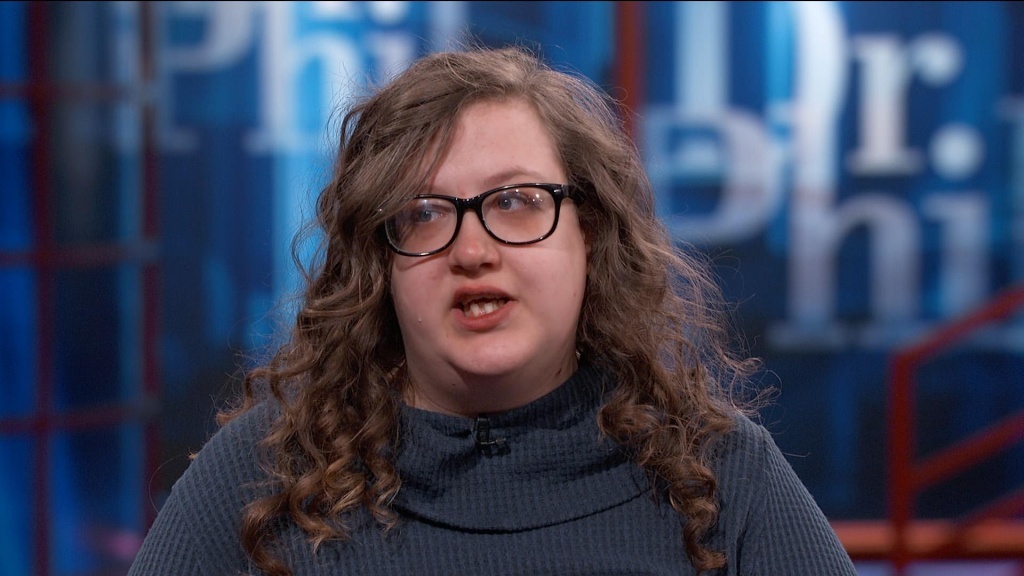
Three years before her arrest, Watson was publicly confronted about her scam on Dr. Phil.
On the show, Watson’s father said that she has suffered from “severe mental problems” since her mother died in 2012. Her relentless campaign to harass prospective adopters, he said, began after she was told that she could not have children.
“She gets possessed by TV shows which show moms bearing children,” her father said on the show. “She just thinks that it’s not fair that she can’t experience that part of life.”
By that time, all five of Watson’s siblings had cut ties with her. A family blog described her behavior in detail, prosecutors say, and some siblings and her father had been publicly confronted by her victims — one of which was Watson’s own sister. Her father was pleading for help.
Watson assured her father that she would stop in her Dr. Phil episode, but prosecutors say she continued the scam up to the day of her arrest.
Beyond that, prosecutors say, Watson appeared to revel in the newfound media attention. She taped another television episode with an unnamed Lifetime show in which she boasted about regularly wiping her cell phone and using a voice changer while on the phone with couples to hide her identity — an allegation she later denied.
She also recorded multiple FaceTime interviews with a Netflix producer about a miniseries on her scam, prosecutors say.
Behind the scenes, however, prosecutors and defense attorneys describe a complicated person who knew what she was doing was wrong but was unable to stop. Watson often admitted that her “habit” was terrorizing the adoptive couples, they say, and asked FBI officials after her arrest if they thought she was a “horrible person.”
Watson’s mental health further deteriorated since her arrest, her defense attorneys say, and despite court orders to do so it has been difficult for her to get the appropriate health. She was sent to in-patient treatment twice for threatening suicide during her prosecution.
Her health issues are still no excuse for the pain she inflicted, prosecutors argued before Watson was sentenced.
Arguments from her defense attorneys are largely under seal on the court docket.
The FBI is still seeking victims of Watson’s scam.