



Judge denies motion to dismiss case after defendant accuses Bonneville prosecutor of misconduct
Published at | Updated at
IDAHO FALLS — A judge has denied a motion to dismiss a case after a man charged with aggravated assault alleged that the Bonneville County prosecutor misled him to believe he was a victim and would not be charged for the Compass Academy shooting.
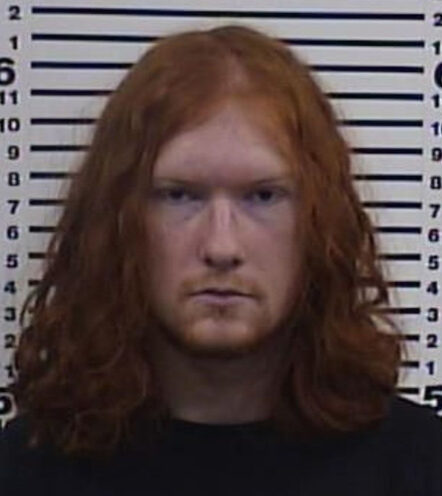
Aaron Murdoch, 22, was charged with felony aggravated assault in March 2024, after he allegedly tried to shoot Taylor Aughenbaugh and/or another man “without intent to kill” as shots rang out among multiple people in the school parking lot on Feb. 12, 2024. Murdoch was allegedly shot in the leg by Aughenbaugh during the incident.
In September, Mike Winchester, Murdoch’s defense attorney, filed a motion to dismiss the case, alleging that Bonneville County Prosecutor Randy Neal led Murdoch to believe he would be granted immunity from charges if he spoke to prosecutors about the incident.
RELATED | Prosecutor denies allegations of ‘serious’ misconduct in Compass Academy shooting case
On Thursday, District Judge Jason Walker dismissed the motion, ruling that Murdoch was repeatedly notified by his subpoena and by officials at the grand jury hearing that he did not need to testify if he believed it would incriminate him.
The next hearing in the case is a pre-trial conference on July 14. He is also scheduled for a jury trial on August 18. If convicted, Murdoch could face up to five years in prison.
The hearing
During the hearing, Winchester argued that Neal told Murdoch he didn’t need an attorney because he “didn’t have anything to charge him with, except maybe brandishing.”
The defense called Megan Lentz, Victim/Witness Coordinator for the Bonneville County Prosecutor’s Office, to the stand for cross-examination, asking her what she remembered about a conversation between herself, Murdoch, and Neal back in 2024, just days after Murdoch was released from the hospital following the shooting.
Lentz testified at a previous hearing that she does not recall Neal ever making any statements suggesting that Murdoch did not need a lawyer.
Winchester then called his client to the stand and questioned Murdoch about what happened when he met with Neal and Lentz. Murdoch testified that when he arrived at the office, Neal told him they would not discuss the facts of the case because Neal was not his lawyer.
“Then they started getting into my rights as a victim, and they went over how the grand jury was going to go and how that whole process goes,” said Murdoch.
Murdoch claims he was under the impression that he was a victim in the case, not a suspect, because of the way he was treated by Neal. Winchester then asked Murdoch to identify the victim’s resource pamphlet that the prosecutor had given at the meeting.
On the back of the pamphlet, Murdoch said Neal had written down a list of attorneys Murdoch could reach out to. But, according to Murdoch, Neal said he “doesn’t think” he needed an attorney.
“They told me there was nothing to charge me with except for possibly brandishing,” said Murdoch. “To the best of what I can remember, (Neal said) something along the lines of, ‘I’m supposed to advise you that you can get a lawyer, but I don’t think you need one.’ And he said, ‘But if you want one,’ and then he wrote a list of attorneys on the back that I could get in contact with.”
During Murdoch’s cross-examination, Neal asked him about the subpoena he received for the grand jury, which includes a yellow box with a check mark inside, indicating that he was a suspect or subject of a grand jury proceeding.
Murdoch testified before the grand jury, which he says he did because he did not know it would incriminate him.
“You received a subpoena, and this was subsequent to our meeting, right?” Neal asked. “And it says here, if this box is checked, you are advised that you are one of the subjects or suspects in the grand jury investigation.”
Murdoch responded that he did not understand that part of the subpoena, and chose to believe that he was not in any trouble, as he claims Neal had told him. He also did not have an attorney at that time, due to what he claims Neal indicated.
“Frankly, I thought it was just some kind of formality because you brought up brandishing,” said Murdoch.
Neal also questioned Murdoch about the day of the grand jury, when he was reportedly told by officials that anything he testified to could be used against him in court.
“So, an individual stood up, and they said, ‘You are advised that you are one of the subjects or suspects in this grand jury investigation,” said Neal. “Do you remember hearing that?”
Murdoch replied that he only vaguely remembered that, but Neal continued, noting that Murdoch had been told multiple times that testifying before a grand jury could potentially incriminate him.
In his closing arguments, Winchester argued that Neal had violated rules 3.8 and 4.3 of the Idaho Professional Rules of Conduct, and therefore, violated Murdoch’s Fifth Amendment right to not be forced to testify against oneself.
- Rule 3.8: “(A) prosecutor has the responsibility of a minister of justice and not simply that of an advocate.”
- Rule 4.3: “(A) lawyer shall not give legal advice to an unrepresented person, other than the advice to secure counsel, if the lawyer knows or reasonably should know that the interests of such a person are or have a reasonable possibility of being in conflict with the interests of the client.”
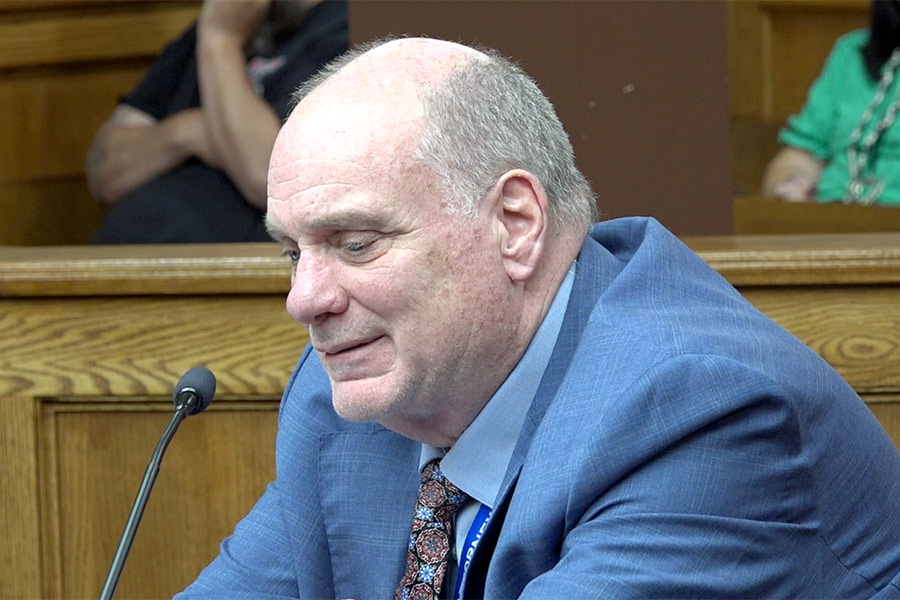
“If this is a lie and a fabrication, this is one of the worst and dumbest lies we could tell,” said Winchester. “A young man was brought in, and everything was taken right up to the edge of that line, and he crossed over just far enough to create the confusion, but not far enough to draw everybody’s attention.”
Neal stated that he felt “real offense” at the allegations and argued that the case should be allowed to proceed to trial.
“I take real offense to any of these suggestions that this was some sort of calculated way for a crafty lawyer to get around the rules,” said Neal. “That is so far from fiction, it’s science fiction.”
In ruling on the motion to dismiss, Walker stated that he did not have to know who was telling the truth because Murdoch was informed of his rights multiple times in the subpoena and at the grand jury hearing.
“It’s really about whether or not the state’s conduct is so egregious that it makes (Murdoch’s) testimony inadmissible,” Walker said. “The bottom line is that the court believes that the evidence was admissible in front of the court because of repeated subsequent advice that would correct anything Mr. Neal might have said to Mr. Murdoch.”
Though Murdoch has been charged with this crime, it does not necessarily mean he committed it. Everyone is presumed innocent until they are proven guilty.