



The summer gardening tasks you should be focused on right now
Published at | Updated at
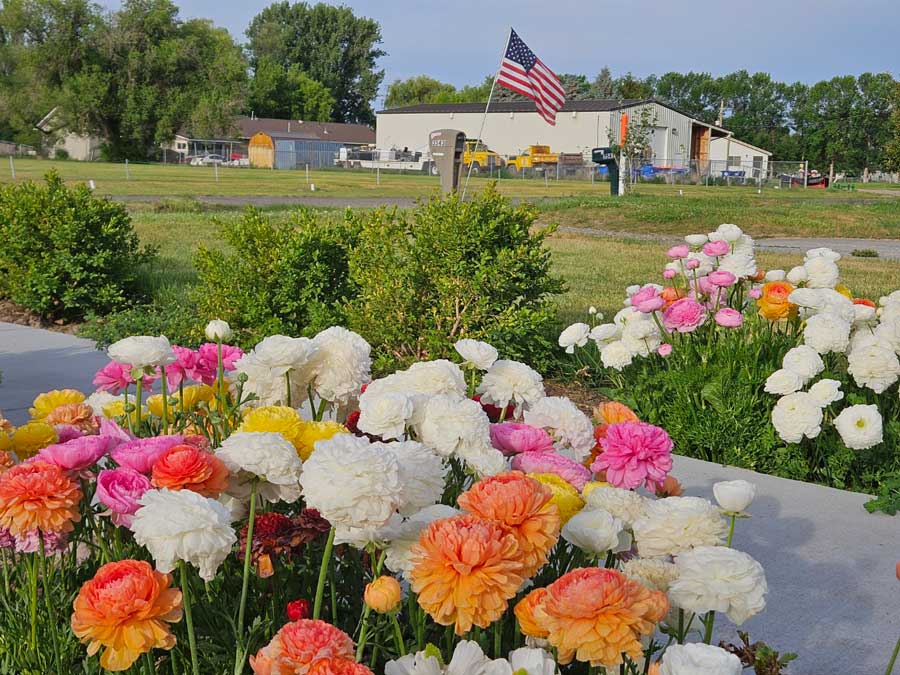
With summer fully upon us, I thought instead of just writing about a single topic, I would highlight various tasks that need to be done this time of year.
Plant care
Prune spring-flowering shrubs (those that bloom before June) after they have bloomed to shape and control the height as you prefer. This will also encourage new flower buds for next season.
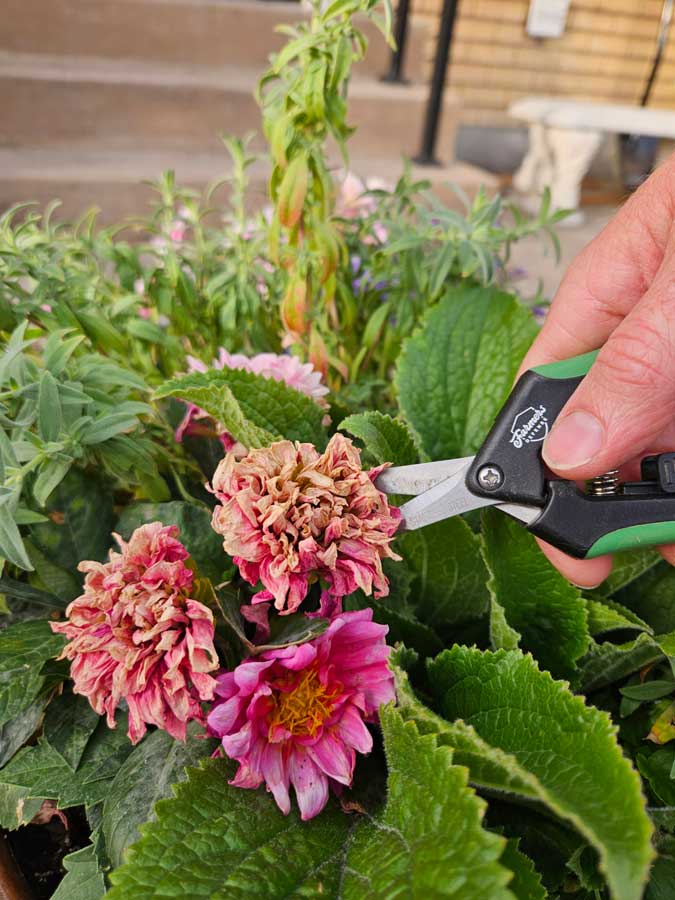
Deadhead (cut off) spent blossoms of perennial and annual flowers. This will greatly help your annuals to continue their show. Many modern petunia cultivars are ‘self-cleaning’ and don’t require deadheading, but most annuals do.
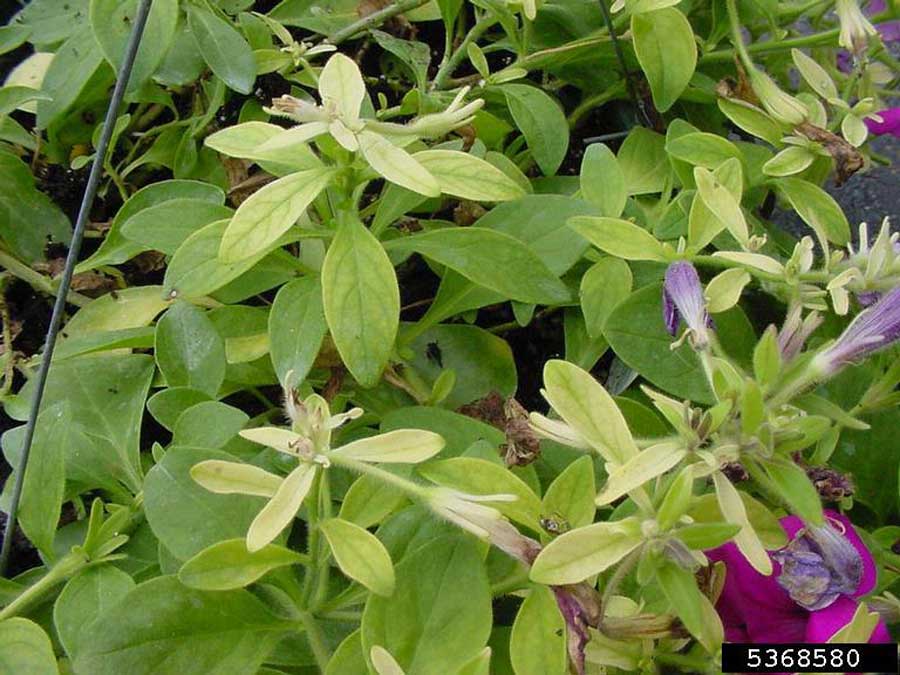
Flower pots, containers, baskets: If you haven’t fertilized your container plants, consider adding a “blooming/rooting” fertilizer during your next watering. A fertilizer such as a 10-58-8 has a large amount of phosphorus to keep the plants producing blooms. Petunias are especially heavy feeders for their bloom production; they also benefit from occasional micronutrient fertilizer (including iron). If you have ever had petunias, calibrachoa, scaevola or verbena with yellowing new leaves toward the end of the season, this is what they are lacking.
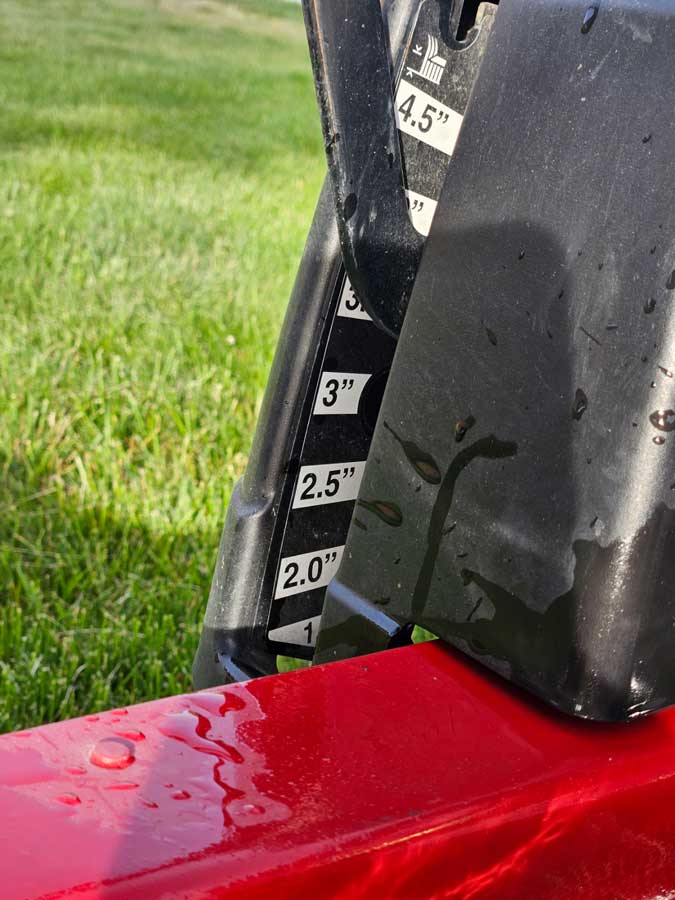
Move your mowing height up for the summer. Ideally, no more than one-third of the total length of the grass blades should be mowed off at one time. For example, if the grass is 4 inches high, mow it no lower than 3 inches. Higher mowing heights improve grass resilience to hot weather. Consider a minimum mowing height of 2.5 to 3 inches.
Keep an eye on the very top of your spruce trees. If you see “wilting,” this is likely a weevil pest, as evergreens don’t show water stress by wilting like deciduous trees do.
Irrigation and soil
Please get in the habit of changing your irrigation duration and frequency with the seasons. I’ve been to many yards to figure out problems only to find out that they turn the sprinkler system on in the spring and leave the same settings until they blow out the system in the fall. Overwatering in the spring leads to suffocated roots with reduced expansion and even root rot. Then, in the summer, the plants appear to need more water, when in reality, you’ve damaged the roots and trained them to be shallow by improper watering in the spring.
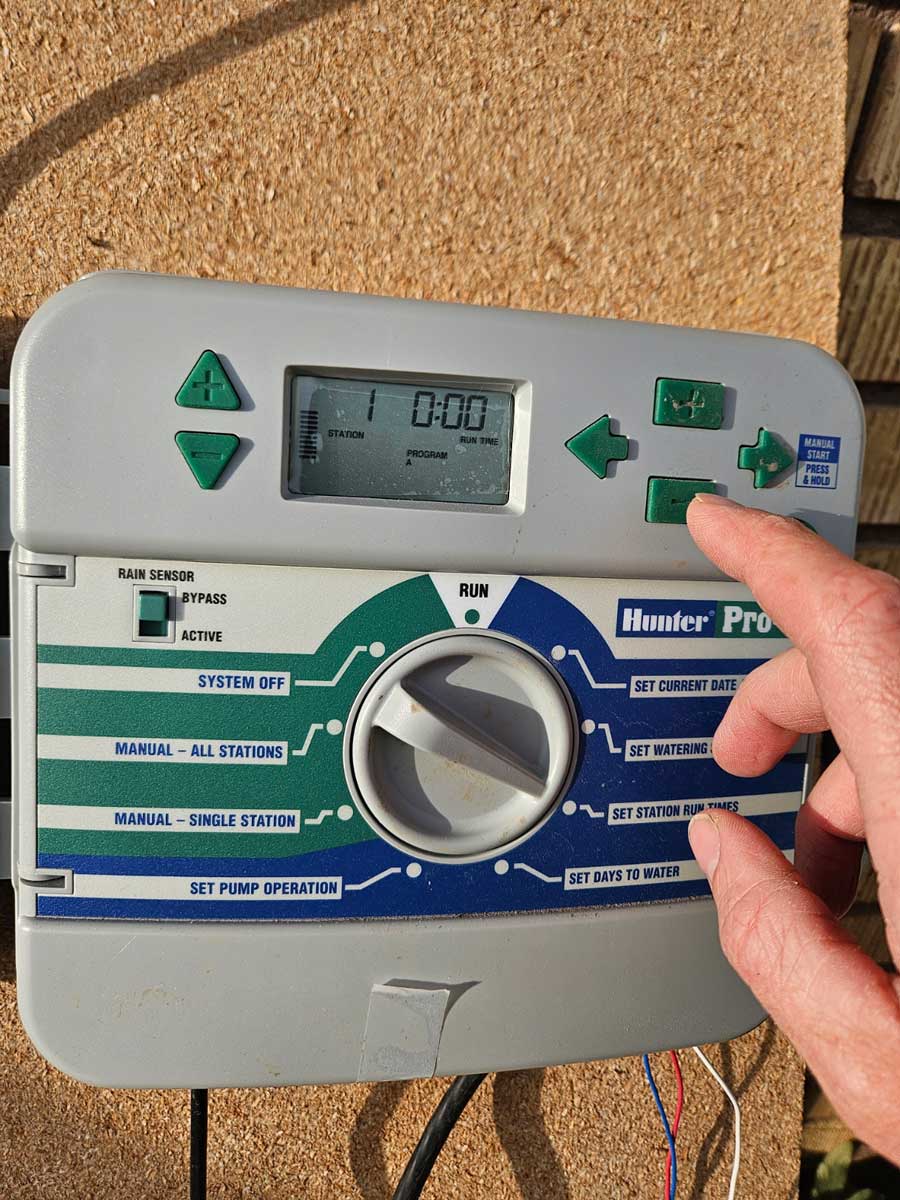
During a drought, it’s especially important to remember that turfgrass only needs 1 to 1½ inches of water per week.
Mulch flower beds to reduce evaporation from the soil and to help cool the soil from the high summer temperatures.
Pests
Scout for pests and diseases. Look closely at your plants, particularly new growth and leaves, older leaves in the center of the canopy, bases of stems and trunks of trees.
If you’re lucky enough to have cherries this year, control the Western cherry fruit fly when the fruit changes from straw color to pink to avoid maggots in the fruit.
Watch for insect pests in raspberries.
Protect ash trees with a registered chemical to prevent lilac/ash borer damage.
Finally, consider upgrading your gardening knowledge. Read that book that has been sitting on your shelf, watch that deep dive video from the University of Idaho Extension, or come to the Regional Gardener’s Convention on July 18 in Rexburg. We will have horticulture professionals teaching and demonstrating various topics such as container gardening, planning your garden for blooms all season, flower arranging, and much more. For more information, contact me at jaredg@uidaho.edu. Happy gardening!