



Why do we love watching the world end?
Published at | Updated at
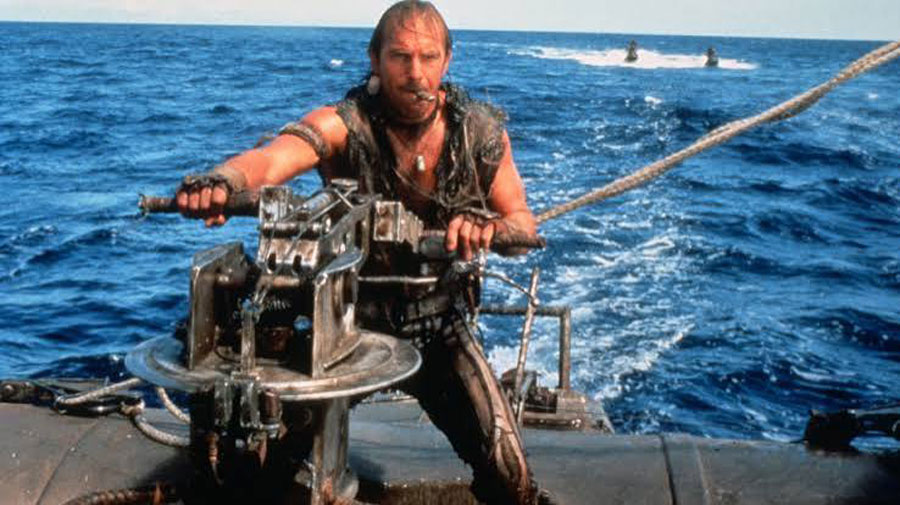
I have seen enough movies to know exactly what I’m supposed to do when civilization collapses.
Find shelter. Secure clean water. Gather food. Start a fire. Stay calm.
Just because I’ve learned what to do, doesn’t mean I have an skills or know how to do it.
My idea of roughing it is camping in the backyard with an extension cord running to a fan.
And if you need further evidence, there was a camping trip when I was 18 that I’m fairly certain would have resulted in the Boy Scouts of America showing up at my house and confiscating my Eagle Scout badge had they known about it.
For years, whenever I went camping, there was a Scoutmaster handling things like schedules, equipment and, most importantly, food.
Then one weekend, some friends and I decided to go camping on our own.
Apparently, I assumed the food would just happen.
It did not. Did I think my old Scoutmaster was going to drive into the mountains around dinnertime carrying a Dutch oven? Was there some kind of camping meal-delivery program nobody had told me about? Maybe a carrier pigeon would arrive carrying hot dogs.
None of those things happened.
Turns out when you go camping without a Scoutmaster, you’re responsible for feeding yourself.
This was valuable information.
It also confirmed something I’ve suspected while watching countless movies about the end of civilization: I am not making it.
Hollywood really wants to destroy us
Which makes our obsession with apocalypse movies a little strange.
Hollywood has been ending the world for decades, and we’ve been happily buying tickets to watch it happen.
We’ve been wiped out by asteroids, aliens, zombies, viruses, nuclear war, climate disasters, killer machines, and incredibly intelligent apes.
Sometimes the world ends quietly. Sometimes it ends with Will Smith punching an alien in the face. Either way, we seem to love watching civilization collapse.
Think about some of our most popular movies and television shows. “The Last of Us,” “A Quiet Place,” “I Am Legend,” “The Walking Dead,” “Mad Max,” “WALL-E” and countless others all begin with some variation of the same horrifying idea: What if everything we know disappeared?
It’s a terrifying question. It’s also, apparently, one we can’t stop asking.
And I think that’s because the end of the world usually isn’t the most interesting part of these stories. It’s what happens next.
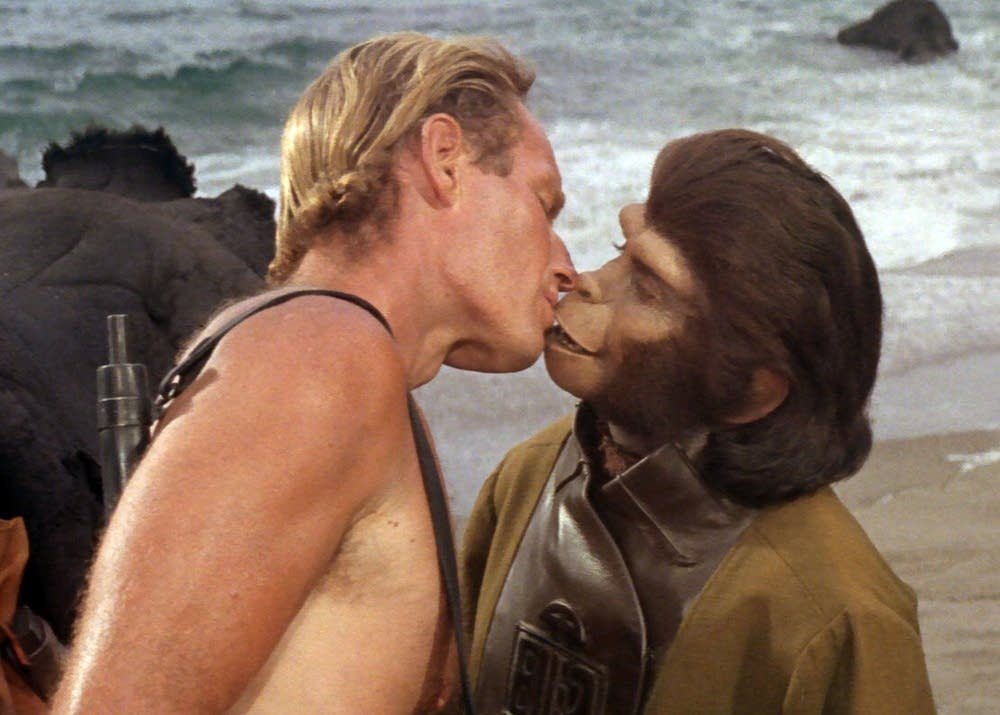
The apocalypse is just the beginning
“The Last of Us” isn’t really about a fungal infection. “A Quiet Place” isn’t really about monsters. “WALL-E” isn’t really about humanity destroying the planet and abandoning it.
Those things create the story, but they’re rarely why we care about it.
We care about Joel and Ellie. We care about a family desperately trying to protect one another. We care about a lonely little robot who discovers companionship.
The apocalypse gets us through the door. The people (and sometimes robots) keep us watching.
That’s the trick these stories pull surprisingly well. They destroy almost everything so we’re forced to notice what’s left.
No mortgage payments, soccer practices, social media, or wondering what you’re going to make for dinner.
Actually, scratch that last one. Based on my camping experience, figuring out dinner becomes significantly more important after the apocalypse. But everything else gets stripped away.
Suddenly, life comes down to a handful of questions.
Who do you love? Who do you trust? What are you willing to sacrifice for them? And what do you actually need to keep going?
A complicated world becomes strangely simple
I should make something very clear.
I do not want the apocalypse. I enjoy electricity. I like restaurants more than a friend. And I’m a big, BIG fan of indoor plumbing.
If society collapses and Costco closes, I’m in serious trouble.
But I wonder if part of the appeal of these stories is watching a complicated world become incredibly simple.
Life for the characters gets infinitely harder, but their purpose becomes clearer.
Find food. Find shelter. Protect your family. Help your friends. Keep going.
There’s something almost refreshing about that clarity. At least it is when I’m sitting comfortably on my couch with air conditioning and snacks. Our actual lives rarely work that way.
We have careers and responsibilities and calendars packed with places we’re supposed to be. We worry about bills, deadlines, and a hundred other things that feel incredibly important at the moment.
Then Hollywood destroys the world and suddenly none of those things matter.
What matters is the person standing next to you. Maybe that’s why these stories keep connecting with us. They’re not fantasies about destruction, but they’re stories about priorities.
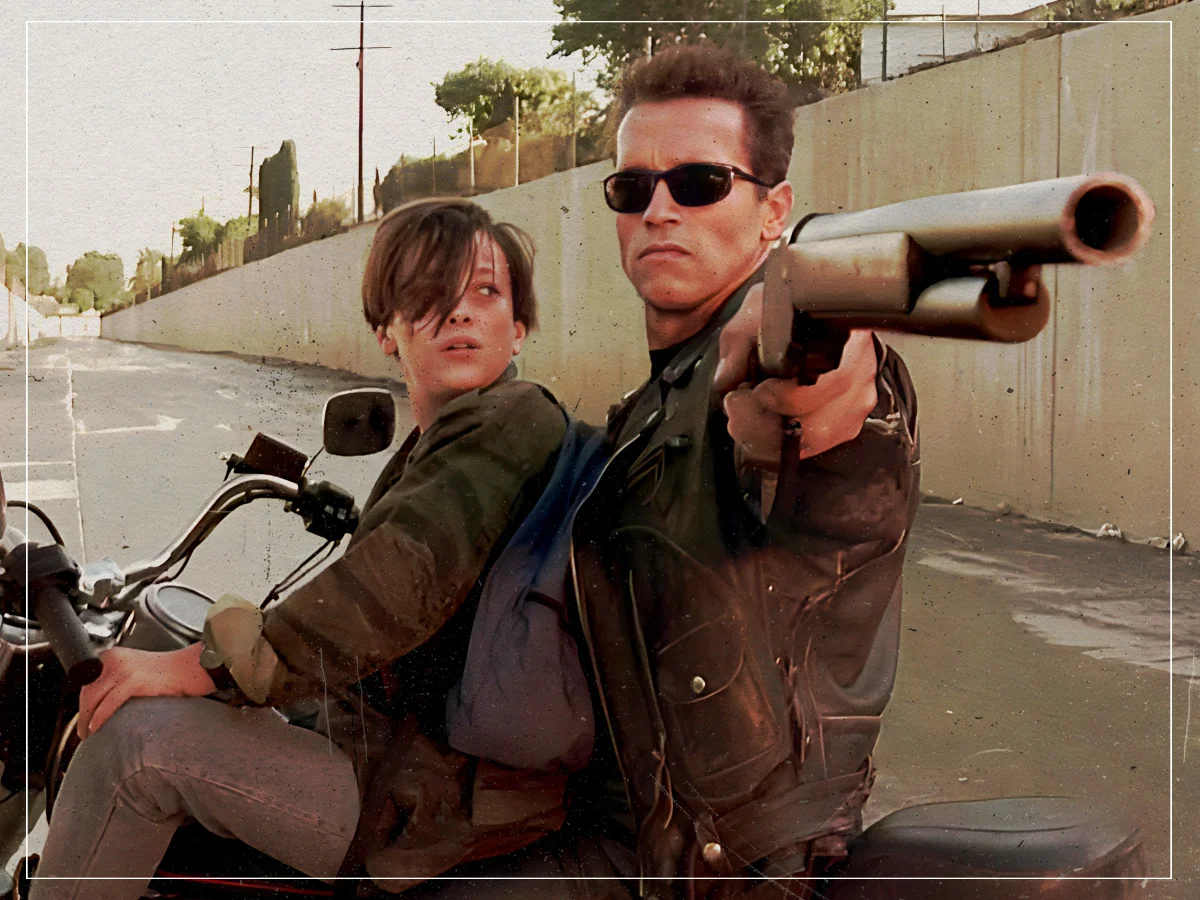
What would you save?
The best apocalypse stories eventually ask some version of the same question: When almost everything is gone, what’s worth saving?
And the answer is almost always people. A child. A spouse. A friend. A stranger who eventually becomes family. Sometimes it’s a dog.
That’s why the ruined cities, zombies, and monsters eventually fade into the background. The real story is watching people find something worth surviving for.
Maybe that’s the strange reason we enjoy watching the world end. We don’t really want to see everything destroyed, but we want to see what survives.
Because when storytellers remove all the stuff we’ve built around our lives, we’re left with the things that made those lives worth living in the first place: people, love, and hope.
And maybe the belief that even after the worst thing imaginable, there’s still something worth fighting for.
The idea that the belief that even after the worst thing imaginable happens, there’s still something worth fighting for, is probably why Hollywood will continue destroying civilization, and I’ll continue watching.
Just don’t expect any of those movies to actually prepare me for the apocalypse. If it happens I’m toast, but maybe you’ll be OK.