



Muskrat pups need to hurry to grow up before winter comes
Published at | Updated at
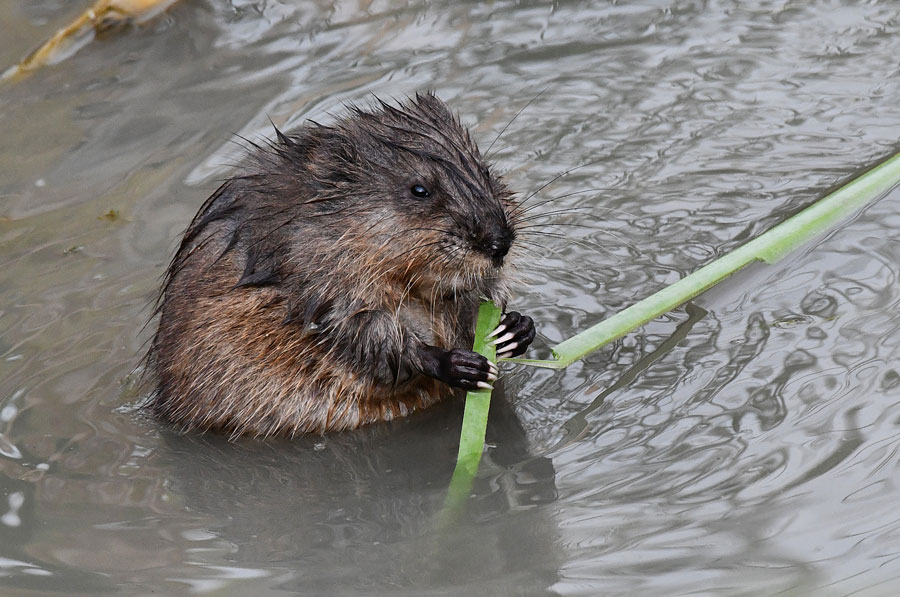
As the irrigation of croplands starts to wind down or water users have run out of their allotment, one by one, canals are starting to dry up. Migrating shorebirds are finding plenty of mud to probe for aqua bugs and worms as they dry up, but in low spots that still hold large puddles, muskrats have set up homes.
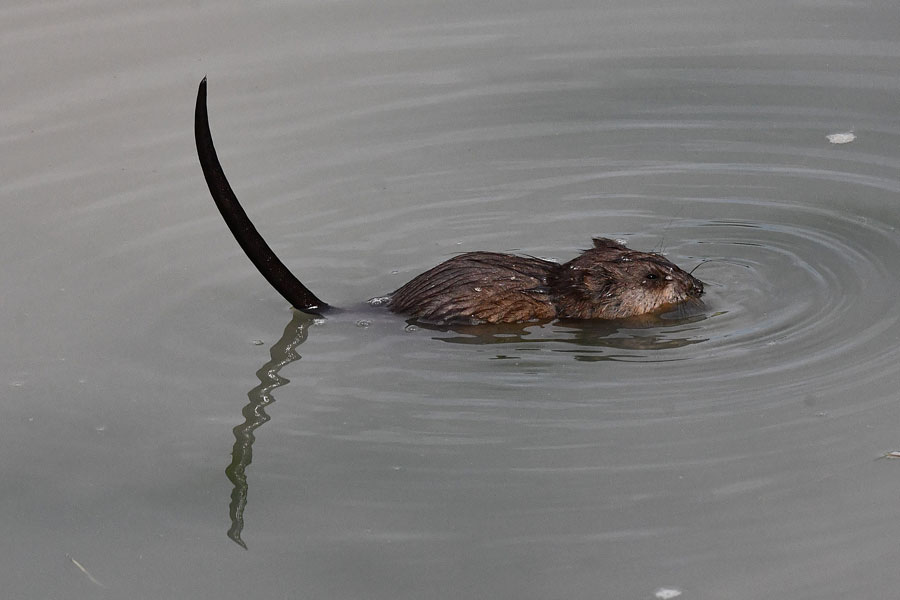
Recently, while checking out one of these puddles, I was surprised when two black furballs came sneaking out of the tall cattails. The two, four-inch muskrat pups or kits, trailing a four-inch tail, stopped by an exposed cattail root and began gnawing on it. The screech of a Red-tailed hawk sent one of the youngsters back to the thick cattails while the other continued to wrestle with the root. When the shadow of the hawk passed over it too scurried into cover.
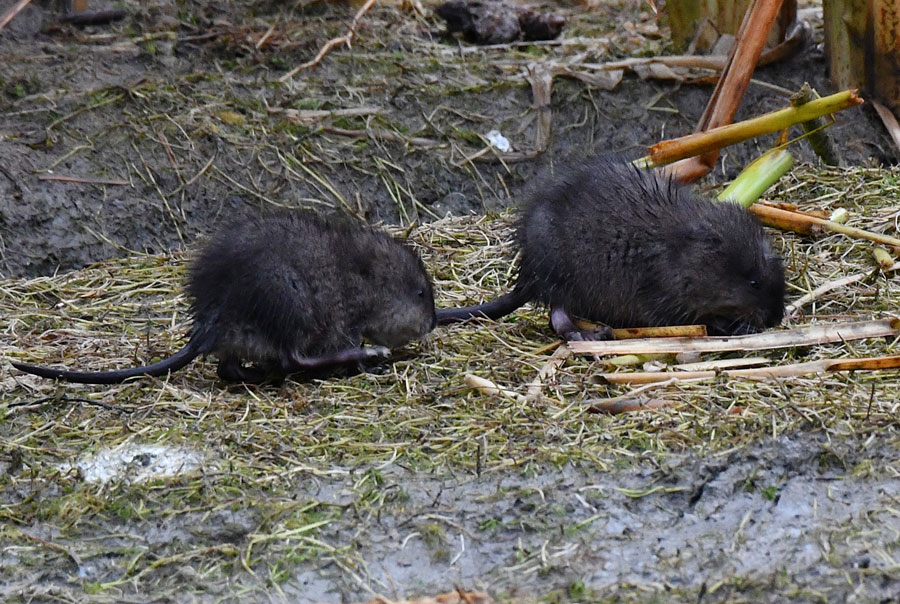
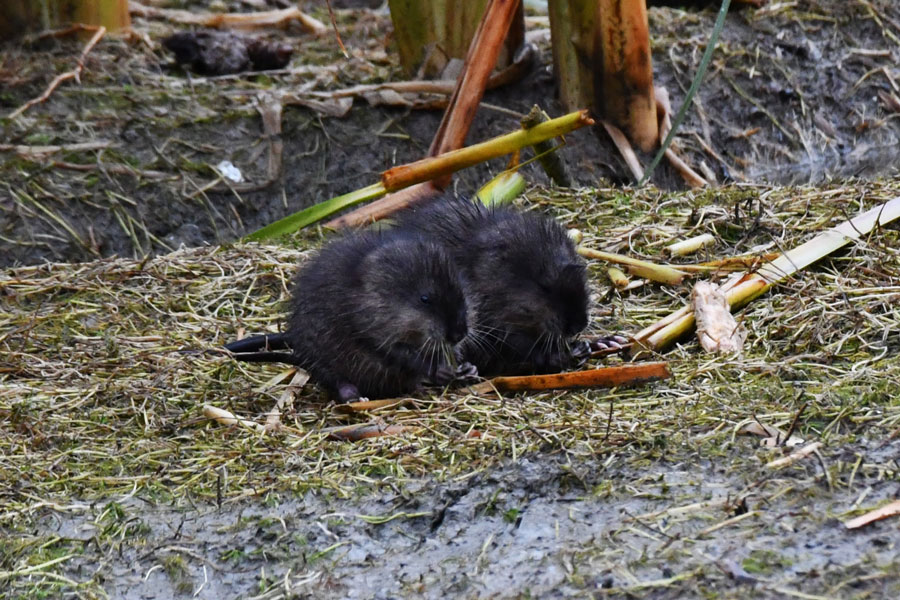
About 15 minutes later, the two came back out, feeding on a variety of vegetation, and one even went into the water, captured a small minnow, and ate it. One also chewed off a cattail stock and began feeding on it. It appeared that the two were about five to six weeks old, as that is when they need to eat about one-third of their body weight to survive.
Muskrats are very prolific, as females give birth to three to five litters of six or seven pups each summer. Their gestation period is only about three to four weeks, and when the pups are born, they weigh less than an ounce. They are pink, hairless, and blind with a very short, round tail. But in their first two weeks of life, they develop full-body fur and their eyes open as they nurse for food.
During their third week, they transition from milk to aquatic plants and learn to swim, becoming expert divers. By the end of their next week, they have left their birth home and by the time they are six weeks old, they are on their own with a thick coat of dark brown or black fur. Their tail has flattened to serve as a rudder as they swim, and they spend all their time eating.
As I visited the pond, I watched the two feed in the same area with several adult muskrats, but there was no interaction between them. The two continued to feed as buddies and even wrestled together from time to time until the pond dried up and they had to move on. Hopefully, they made it to another bit of water.
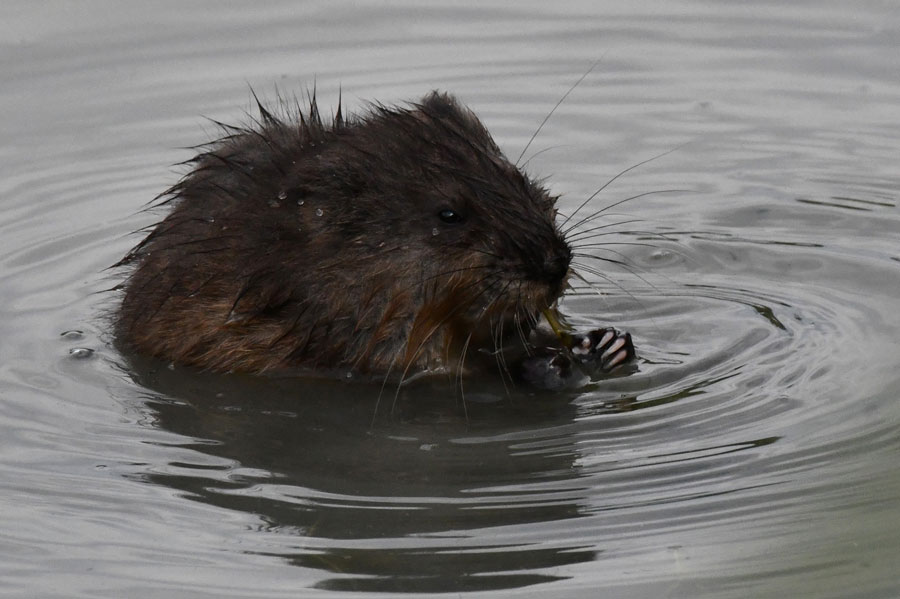
Muskrats are still harvested for their fur, and traditionally, they were used for food by Native Americans and pioneers. I find it very interesting that, as late as 2023, Catholics in Michigan’s Downriver region can eat muskrat meat during Lent, Ash Wednesday, and every Friday. They have large dinners where over 900 muskrat-meat plates have been served. I understand that it takes three days to prepare the meal as muskrats have musk glands near the base of their tail. These glands will spoil the meat if not removed correctly.
Some say their meat tastes like chicken, others say it tastes like rabbit, and others say it tastes like beaver tail soup. I think I will stick with eating chicken and appreciate them at a distance – they have very big teeth, and they stink.
Have a really lovely week and enjoy some fine meals, whatever you like. One of my favorite meals is leftover taco soup with a little hot sauce.

Living the Wildlife is brought to you by Yellowstone Teton Territory. Experience 7,500 square miles of untamed wilderness in Eastern Idaho's Yellowstone Teton Territory. Where majestic peaks meet endless adventure, your perfect outdoor escape is waiting. Start planning at YellowstoneTeton.com.