



‘We’re really sweating’: Idaho stares down likelihood of historic drought
Published at
Sarah Cutler, Idaho Statesman
BOISE (Idaho Statesman) – It was a bad year for Bogus Basin.
By New Year’s Eve, the Boise-area recreation area had received only about two feet of natural snowfall, forcing it to increase its production of artificial snow by 120% compared with the previous season. Amid high temperatures, most winter precipitation fell as rain instead of snow — and the mountain couldn’t open all of its ski runs. It ultimately closed for the season weeks earlier than normal.
But the lack of snow wasn’t just bad news for ski bums.
Months later, the whole state is feeling the effects, as the “failure” of Idaho’s snowpack has translated to extremely low water supply, said Jay Breidenbach, a meteorologist at the National Oceanic and Atmospheric Administration’s National Weather Service.
It’s “close to some of the worst drought that we’ve ever seen in the state,” Breidenbach told the Idaho Statesman.
RELATED | Idaho’s reservoirs hit historic low as winter outlook raises more water worries
In a normal year, the snowpack — the deep snow built up at high altitudes around the state — serves as Idaho’s primary source of water during the spring and summer. That snow gradually melts and trickles down into rivers and streams, said David Hoekema, a hydrologist with the Idaho Department of Water Resources and the chair of the Idaho Water Supply Committee, a multi-agency group that monitors water and drought conditions.
Irrigators are the primary people affected by drought, he said, because of the amount of water they use. That includes many Treasure Valley homeowners who water their yards through irrigation systems. Hydropower could also take a hit.
Drinking water, at least in larger municipalities like Boise, comes from deep aquifers that wouldn’t be affected by drought — at least, not right away, he said.
Water from the snowpack typically supplies Idaho farmers’ irrigation needs through the spring and early summer. Once it runs out, around June or July, the water in manmade reservoirs helps farmers finish their growing seasons. The reservoirs also serve as an “insurance policy” against drought, Hoekema said.
This year, runoff from the mountains ran out in April. That meant irrigators started to draw down water from manmade reservoirs much earlier, leaving the state with little reserve going into next year.
If the snowpack fails again, ‘we’re really in trouble’
Conditions aren’t looking too bad in the Boise area this year, Breidenbach said. The Boise River Basin’s manmade reservoirs, including Anderson Ranch, Arrowrock and Lucky Peak, are at about 90% of their usual level for this season.
But other than the Boise and Payette river basins, the whole state is facing water shortages this year, Hoekema said.
Some farmers left fields fallow because of drought, Hoekema said. But this year was nothing compared with what the state would see if there’s another warm winter with low snowpack, he said.
This winter will be an El Niño weather pattern, which usually brings heavy precipitation to the southwestern U.S. Some years, that jet stream travels “a little bit north,” he said, dousing southern Idaho and leaving behind record-setting snowpacks.
But in years that El Niño jet streams have veered toward the south, they left Idaho “bone dry,” Hoekema said.
Even if Idaho gets heavy precipitation, much will depend — again — on temperatures. If the precipitation falls as rain instead of snow, Idaho will be in severe drought — this time, with little water in the bank in its manmade reservoirs.
“We’re really sweating out the risk that the jet stream moves too far south,” Hoekema said. “If that happens, we’re going to see one of the most catastrophic droughts we’ve seen in recent times.”
RELATED | Can we make it rain? Inside Idaho’s expanding cloud seeding program
He said such a drought might be similar to ones the state experienced in 1988, 1992 and 2001. In those years, the Idaho Department of Water Resources authorized emergency wells across the East Snake Plain Aquifer, and people had to truck water across the state. Irrigators had to leave significant portions of their land fallow, too.
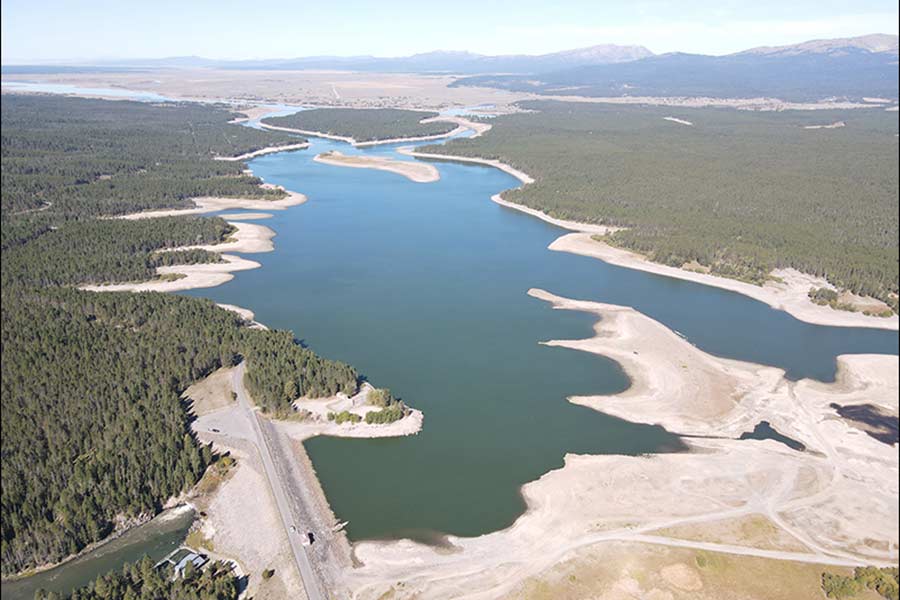
Right now, manmade reservoirs across the state are low, leaving the state vulnerable, Breidenbach said. Reservoirs in the Upper Snake River Basin in eastern Idaho, for example, are filled to only 9% capacity.
“If we have a second year where the snowpack fails, then we’re really in trouble,” Breidenbach said. “We can’t afford to repeat what happened last winter.”
This weather-related story is brought to you by Pony Express Car Wash, Idaho's premier express car wash destination, renowned for its commitment to exceptional service and quality. Voted the No. 1 car wash company in Idaho for five consecutive years, we pride ourselves on delivering an unparalleled experience for every vehicle and customer. Our state-of-the-art facility utilizes name-brand soaps and cutting-edge equipment to ensure your car receives the ultimate clean. Established in eastern Idaho in 2019, Pony Express is proud to be a locally owned and operated company that caters to the unique car washing needs of our Idaho Friends and neighbors. We invite you to experience the difference at Pony Express, where your satisfaction is our ultimate goal.