



The teenager who was put to death twice by the state of Louisiana
Published at
IDAHO FALLS — Christa Pike’s failed execution on Sept. 30 has made headlines in recent weeks and sparked discussion about the ethics of the death penalty in general.
While her survival after lethal injection is surprising, it’s not the first time someone has withstood the U.S. government’s attempt to execute them.
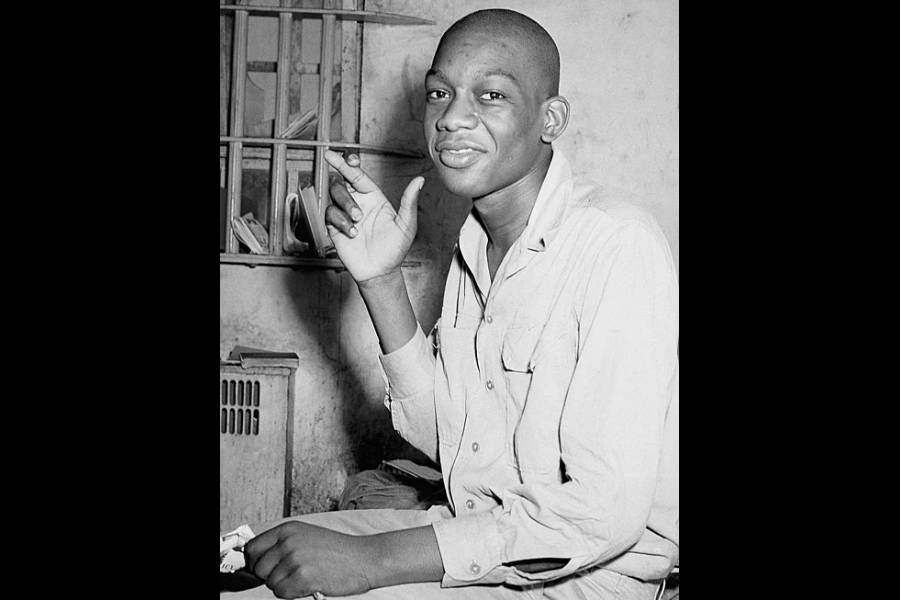
Let me introduce you to Willie Francis.
RELATED | Christa Pike is conscious and speaking after Tennessee failed execution, her attorneys say
In 1945, the Black 15-year-old was living in St. Martinville, Louisiana. In August of that year, during a visit to Port Arthur, Texas, Francis was mistaken for the accomplice of a wanted drug dealer and arrested, according to Historic Mysteries.
After police officers searched Francis, they said they found him in possession of an identification card belonging to Andrew Thomas. Thomas was a pharmacist from Francis’ hometown who had been fatally shot the year prior.
According to Unilad, Francis quickly admitted to killing Thomas, who had been his prior employer. The teen then reportedly named accomplices who had helped him carry out the crime, but law enforcement dismissed his statements.
Despite confessing twice, Unilaid reports Francis eventually pleaded not guilty in court and was ultimately convicted of the murder and sentenced to death.
Francis did not have a lawyer present during either confession, raising concerns that the confessions may have been coerced, according to Historic Mysteries.
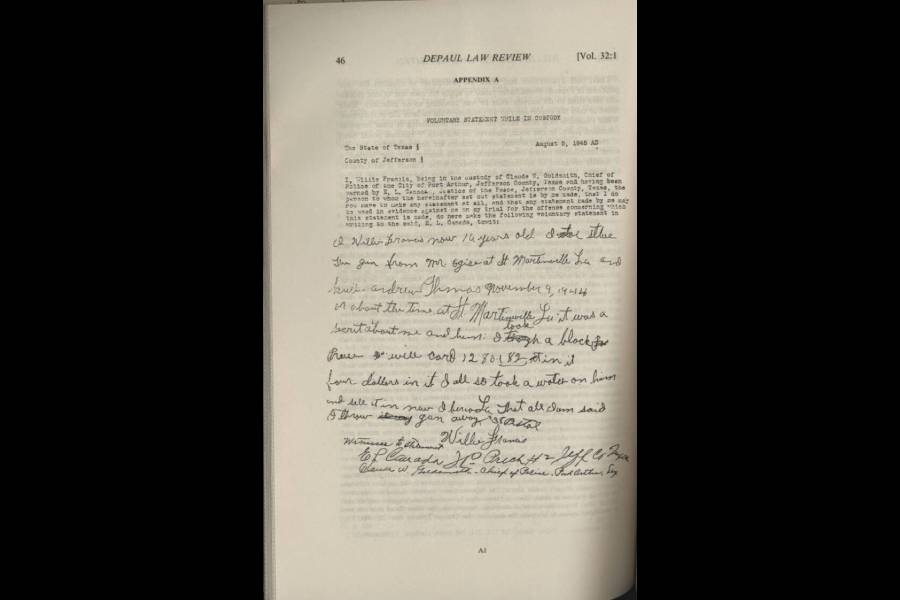
As for the motive for the killing, local newspapers at the time speculated that Thomas had been sexually abusing Francis. That assumption was based on the idea that Francis allegedly wrote about a “secret” shared between them in one of his confessions.
Regardless, Francis was scheduled to die on May 3, 1946. The state of Louisiana had decided on the electric chair to carry out its sentence, but things didn’t go as planned.
Prior to the execution, Francis’ head was shaved — apparently to allow for better connection to the chair — and he was driven to the St. Martin Parish Jail, according to an academic article published by Fordham University School of Law. On the drive, a deputy assured Francis that the electric chair wouldn’t hurt, the article says, but Francis wasn’t worried about the pain.
“I wasn’t worried at all whether it would hurt me. I was more worried about the fact it was going to kill me,” Francis later recalled, according to the article.
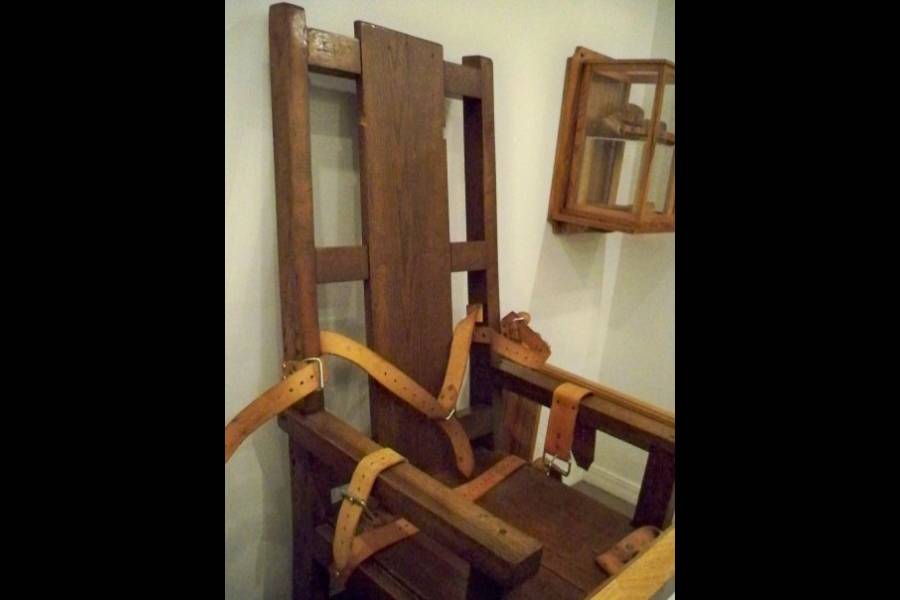
At the time, Louisiana did not carry out executions at state penitentiaries. Instead, the state used a portable electric chair dubbed “Gruesome Gertie” that was transported to the city where the crime had taken place.
Once Francis was strapped into the chair and the go-ahead was given to turn on the electricity, the unexpected happened: he did not die.
Francis later described the feeling of being “electrocuted” by the chair like “a hundred and a thousand needles and pins were pricking in me all over,” according to the article. Witnesses say he yelled out, “I’m not dying!” and “Turn it off! I can’t breathe!”
The chair was eventually turned off. And in the moments after the failed execution, Francis reportedly said it took him a while to realize he was still alive.
Historic Mysteries states that an investigation found that, leading up to the planned execution, “Gruesome Gertie” had apparently been wired incorrectly. The guard responsible for setting up the chair was accused of drinking alcohol the night before, making him too drunk to carry out his duties effectively.
Following the failed execution, Francis’ defense team appealed his case all the way up to the Louisiana Supreme Court. The state’s high court, however, ultimately denied the appeal.
The attorneys tried to argue that executing Francis for a second time would be a violation of the double jeopardy provision of the Fifth Amendment, which protects individuals from being tried for the same crime twice, and would also constitute cruel and unusual punishment. It’s the same argument Pike’s attorneys may argue as they attempt to avoid a second execution attempt in her case.
RELATED | Christa Pike survived an execution. What went wrong?
In Francis’ case, however, the written ruling says the court found attempting to execute the teen a second time, due to a mechanical failure the first time, was no different than a case getting a retrial due to an error of law. It also found nothing that constitutes cruel and unusual punishment, in a constitutional sense.
Francis was again scheduled for execution by electric chair on May 9, 1947.
In contrast to the state’s first attempt at capital punishment, in which Francis wore a simple prison uniform, this time the teen showed up wearing his “Sunday best,” the Fordham University article states. Francis received his last meal, his last rites and was strapped into the electric chair.
When asked if he had anything he wanted to say, Francis reportedly responded, “nothing at all.”
At 12:05 p.m., Francis’ executioner pulled the switch to turn on the electricity. This time, all went according to plan and Francis was pronounced dead at 12:10 p.m.