



Protecting pollinators and beneficial insects after the garden season
Published at
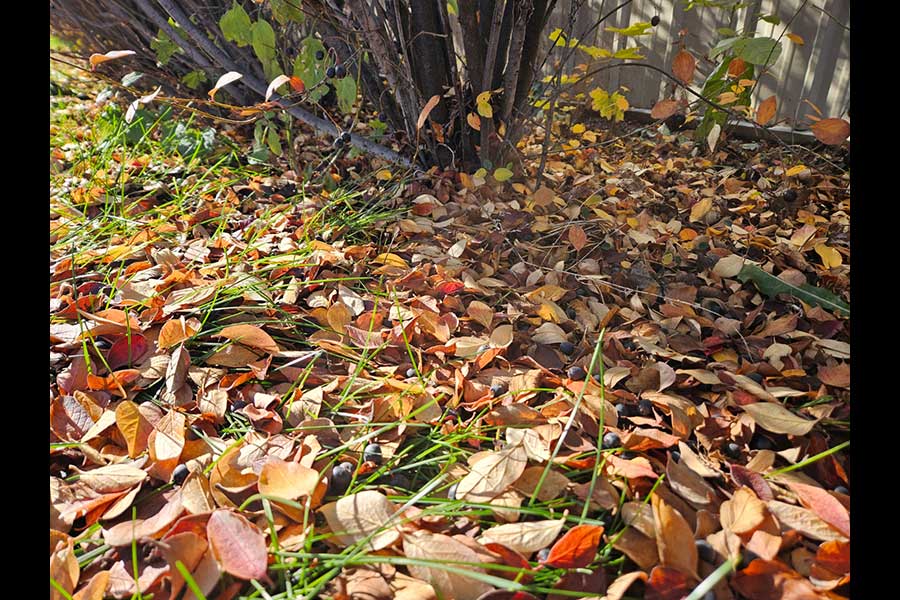
DRIGGS — While the growing season has ended for many gardeners and farmers, managing habitat for pollinators and beneficial insects is a year-round process. Purposeful habitat management and the use of native plants provide important food, shelter and overwintering habitat for insects, birds and other wildlife.
As temperatures drop, many insects seek shelter from predators and winter weather. According to the Xerces Society for Invertebrate Conservation, pollinators and beneficial insects — including native bees, butterflies, moths, beetles and predatory wasps — rely on natural materials such as leaf litter, soil, dead wood, brush piles and standing plant stems for nesting and overwintering. Many native bees nest underground, while others use hollow stems and cavities in wood.
The Greater Yellowstone Ecosystem is home to a diverse community of native pollinators, including bumble bees, solitary bees, butterflies, moths and flies. Examples include the western bumble bee (Bombus occidentalis), Hunt’s bumble bee (Bombus huntii) and central bumble bee (Bombus centralis). Native flies are also important pollinators, particularly in high-elevation alpine meadows. These insects help maintain healthy native plant communities, support wildlife and contribute to the ecological health of our forests, meadows and agricultural landscapes.
Leaving undisturbed ground and delaying garden cleanup and pruning until spring can help preserve important insect habitat. Consider these simple practices:
- Leave the leaves. Fallen leaves provide insulation and shelter for overwintering butterflies, moths and other insects. Leave them where they fall or move them to garden beds and beneath shrubs.
- Save the stems. Leave perennial flower stalks and seed heads standing through winter. Hollow and pith-filled stems provide nesting sites for native bees.
- Build a brush pile. Use fallen branches and untreated woody materials to create shelter for insects and wildlife.
- Provide water. Place stones or pebbles in shallow water dishes to give insects safe landing spots.
- Preserve bare ground. Many native bees nest underground, so maintain small, sunny patches of undisturbed soil.
- Rethink mulch. Avoid plastic mulch, landscape fabric, and thick layers of wood chips in areas where ground-nesting bees may be present.
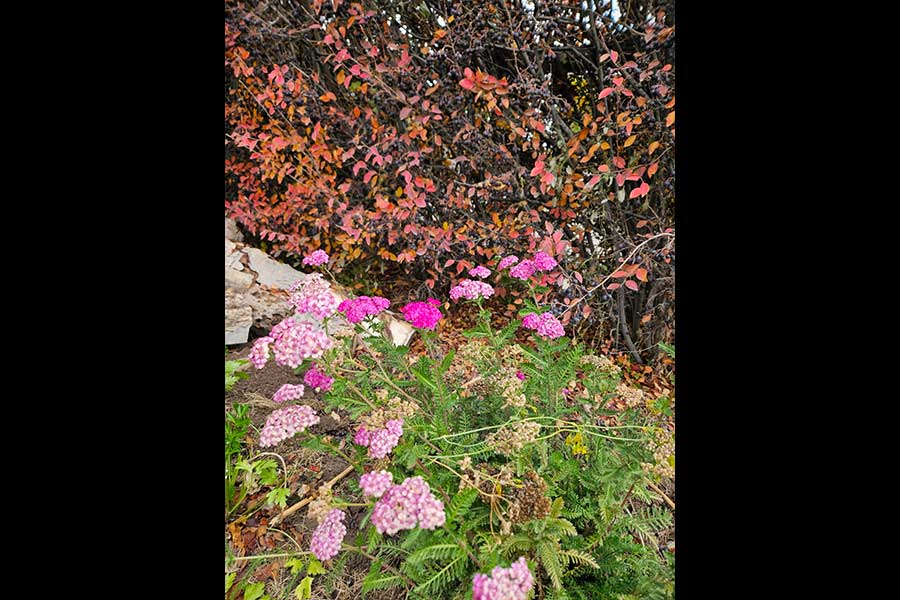
Planting a diversity of native wildflowers, grasses, shrubs and trees also supports pollinators by providing pollen, nectar and habitat throughout the growing season.
When spring arrives, delay cleanup until temperatures warm and overwintering insects have had an opportunity to emerge. Consider cutting perennial stems at varied heights, approximately 8-24 inches above the ground, and leave the cut stems in place through the following growing season. They may contain developing insects or overwintering adults.
Finally, reduce unnecessary chemical fertilizers, herbicides and insecticides. Consider integrated pest management practices to minimize unintended impacts on pollinators and other beneficial insects. A pollinator habitat sign can also help communicate your conservation efforts and inspire neighbors to create more wildlife-friendly landscapes.
Leaving some leaves stems, and natural debris undisturbed helps provide the habitat pollinators and beneficial insects need to survive winter and return in spring.
Learn more at:
1) https://xerces.org/publications/fact-sheets/nesting-overwintering-habitat