



10 days remaining to provide feedback on future ‘main hub’ of Pocatello’s bus system
Published at | Updated at
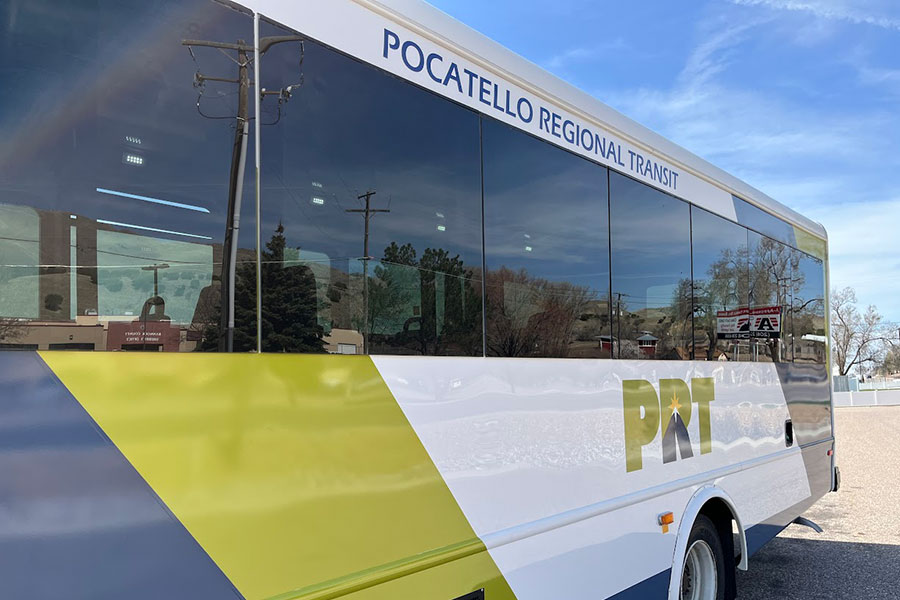
POCATELLO – Right now, Pocatellans have the chance to weigh in on a project that aims to bring a central hub of their city’s public transportation.
Pocatello Regional Transit has introduced a project to construct a new transfer station for its city bus system on a corner of a future development in the footprint of the old Albertson’s building. Members of the public still have nine days to submit their opinions and suggestions on the proposed Alameda Transfer Station before the public comment period ends on November 12.
Not only does PRT, the primary mass transportation provider in Southeast Idaho, consider this project important to its future – it’s also needed in the present.
“There’s a lot of issues with the current location, (which is) why this project is so vital to have,” said PRT Director Skyler Beebe. “As we look to the future, it creates that … main hub for our transit system, where all the buses come together.”
While the city bus system currently has a location that serves the same function as a transfer station, it has no dedicated infrastructure, making it a transfer point. The current transfer point of PRT’s city bus system is on the northern side of East Cedar Street.
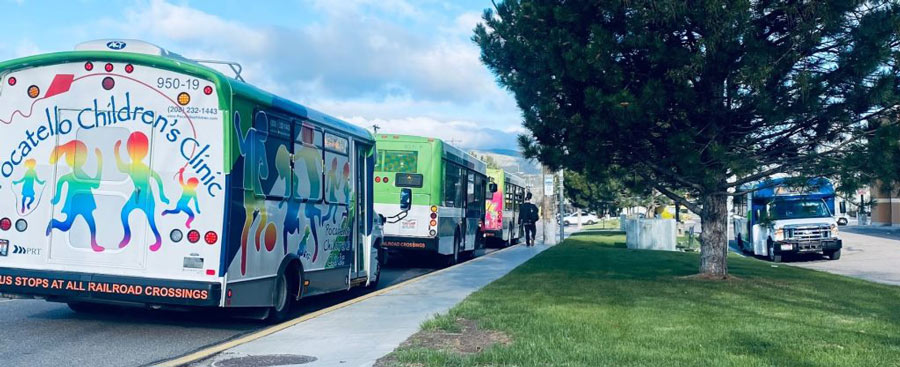
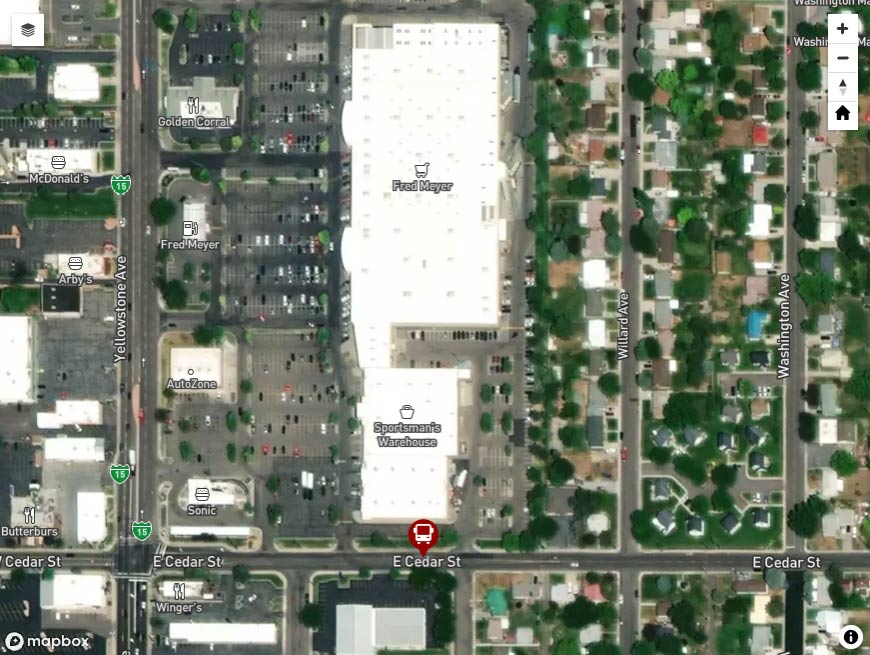
While the transfer point serves the purpose PRT needs it to, it comes with a variety of difficulties for bus riders and drivers.
Because there’s no dedicated area for the buses to pull over, drivers have to street park, which can add congestion to the road, depending on the time of day.
“Cars that are coming down cedar, they’re hugging the median so that they can get around. (And) it’s hard for cars when they’re trying to pull out and the buses are kind of blocking their view,” Beebe said.
The transfer point is also not always fully accessible to people with disabilities.
“Our current transfer point is ADA accessible to an extent, but we have four buses that roll into this spot every hour, at the top of the hour, and one of them has to go into the (parking lot). Well, (riders) have to go through the grass (and) there’s not a sidewalk on the (other) side, so it’s troublesome for those that are disabled,” Beebe said.
When an area is not accessible, drivers will pick up or drop off someone with disabilities at the closest alternative. But even for fully able-bodied people, it still creates an inconvenience.
“It’s not the most ideal situation, but it’s the best that we have available to us right now,” Beebe said.
PRT has proposed the construction of a transfer station, with dedicated infrastructure like ADA compliant curbs, sheltered waiting areas, benches and a bus staging area.
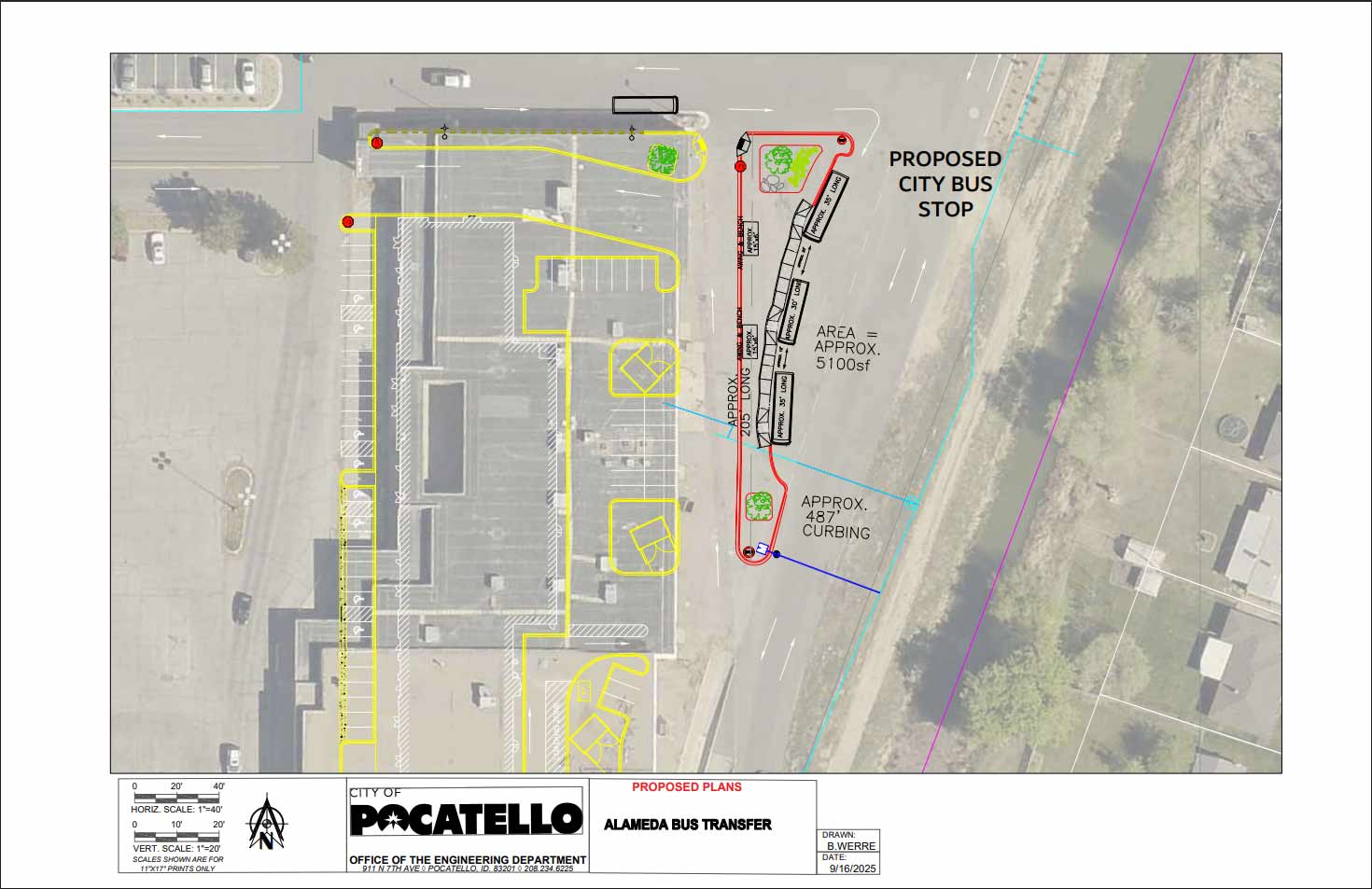
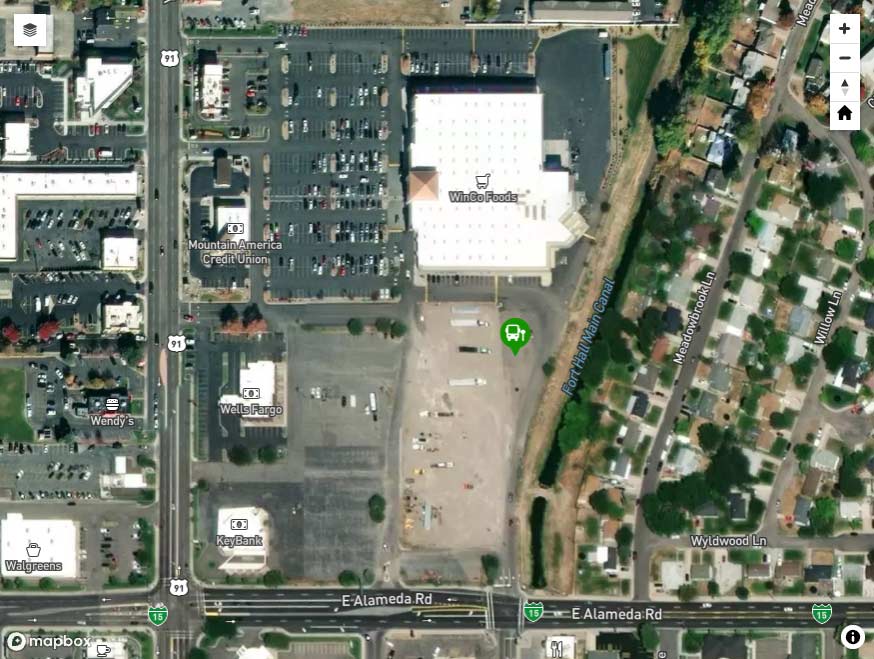
While the design and details of the proposed station are preliminary and subject to change, the station would have sidewalk connections to existing sidewalks, allowing safe pedestrian access.
“It’s better serving our disabled and our senior population and everyone in general,” Beebe said
Another benefit Beebe pointed to was the transfer station pulling the buses away from busy traffic.
“What it’s doing is it’s pulling us off the street, and it’s giving us a dedicated area to transfer people. It’s safer for us, it’s safer for our patrons, it’s safer for those that are driving on the road,” Beebe said.
PRT estimates the project to only cost around $303,405 in total, using funds allocated through federal transit aid in fiscal years 2024 and 2025, with a federal cost share of 80%.
After the public comment period closes, PRT will finalize its design of the transfer station and its funding. The Pocatello City Council will have to approve the project as a budget amendment, which hasn’t yet been scheduled.
People who want to review PRT’s materials, presented by Bannock Transportation Planning Organization, and leave a public comment can click here.